
-
![Jean-Michel Gasquet]()
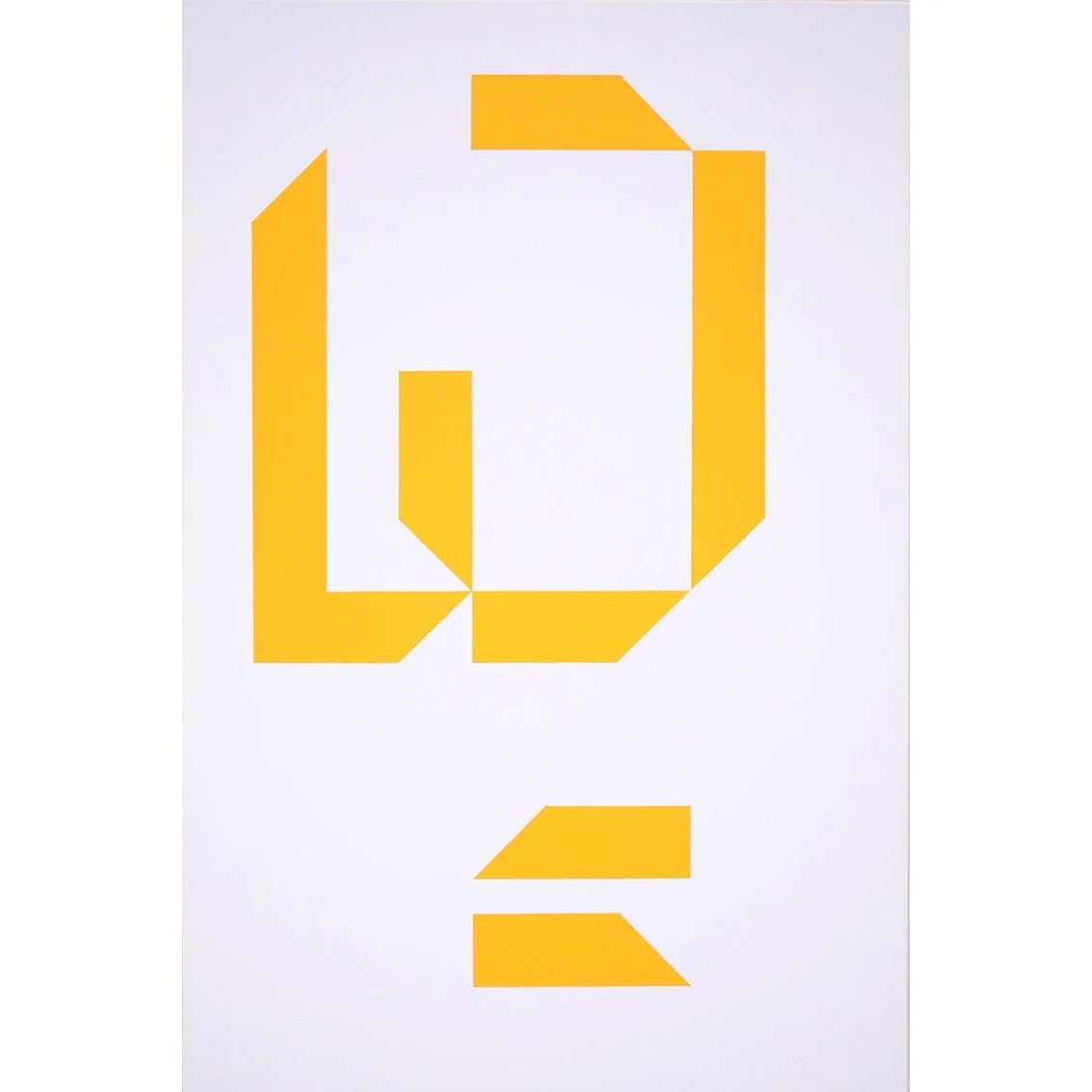
Fragments, 2010
Matte lacquer, flash on MDF, 90 x 60 cm
-
![Jean-Michel Gasquet]()
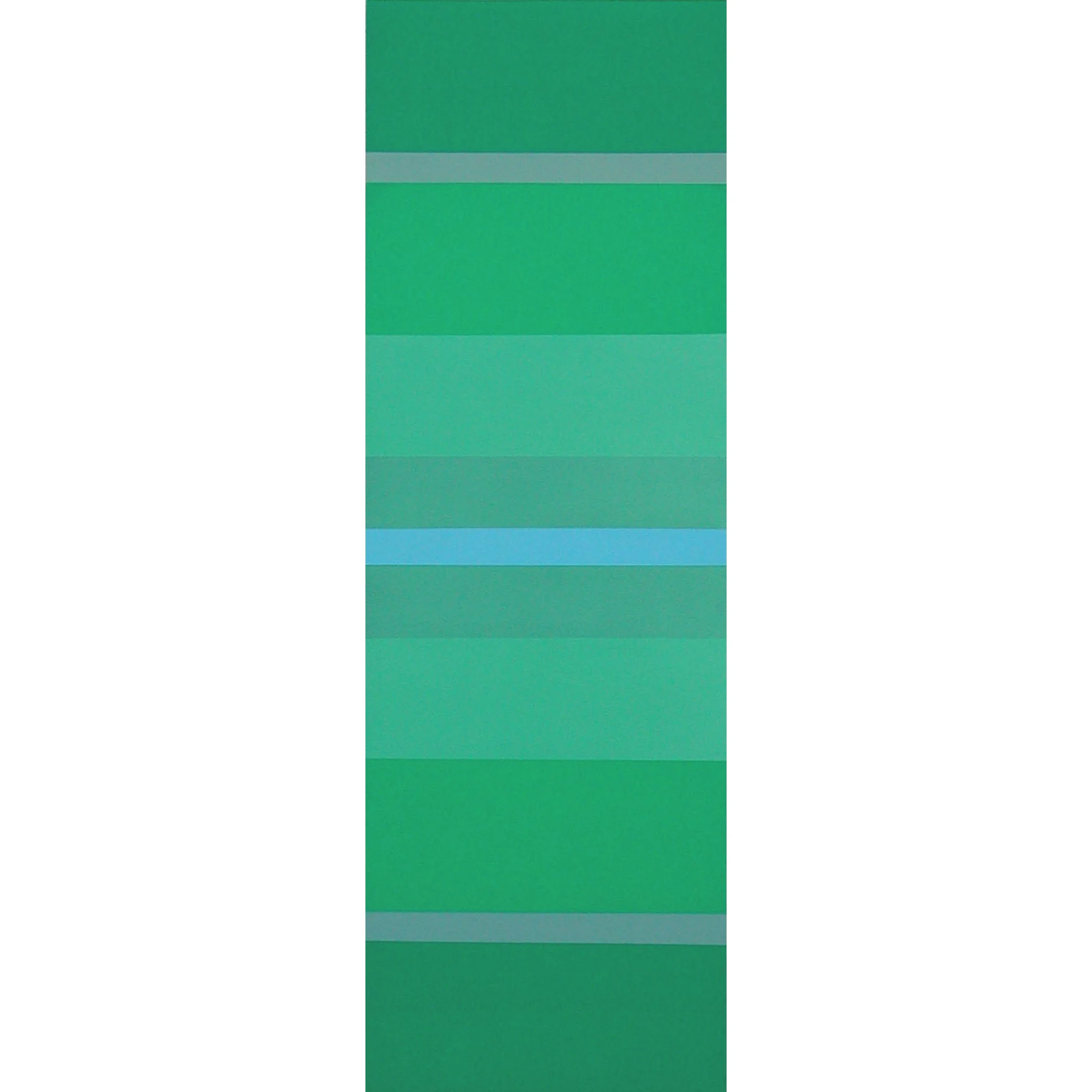
Untitled, 2007
Flash on wood, 90 x 30 cm
-
![Jean-Michel Gasquet]()
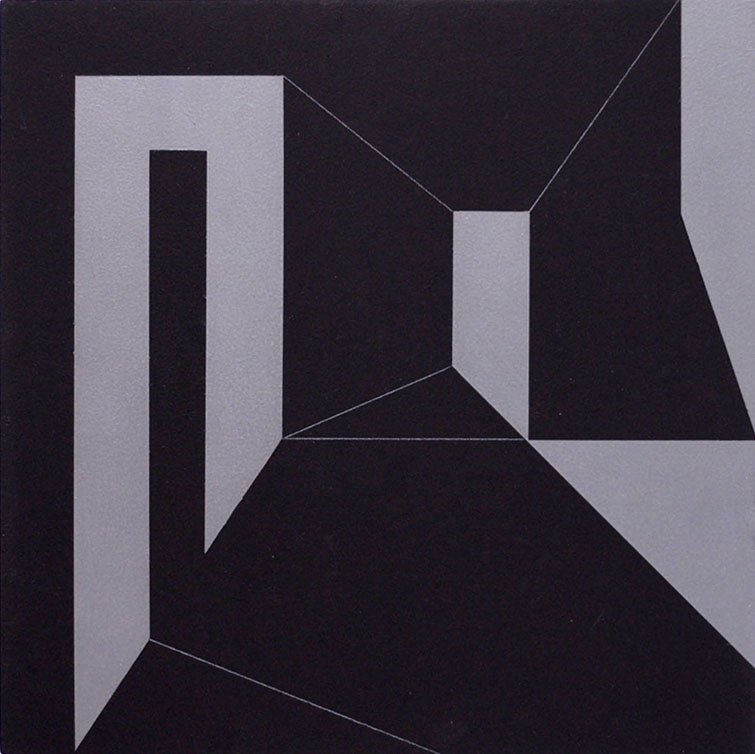
Fragments, 2009
Black lacquer, liquitex silver on MDF, 40 x 40 cm
-
![Jean-Michel Gasquet]()
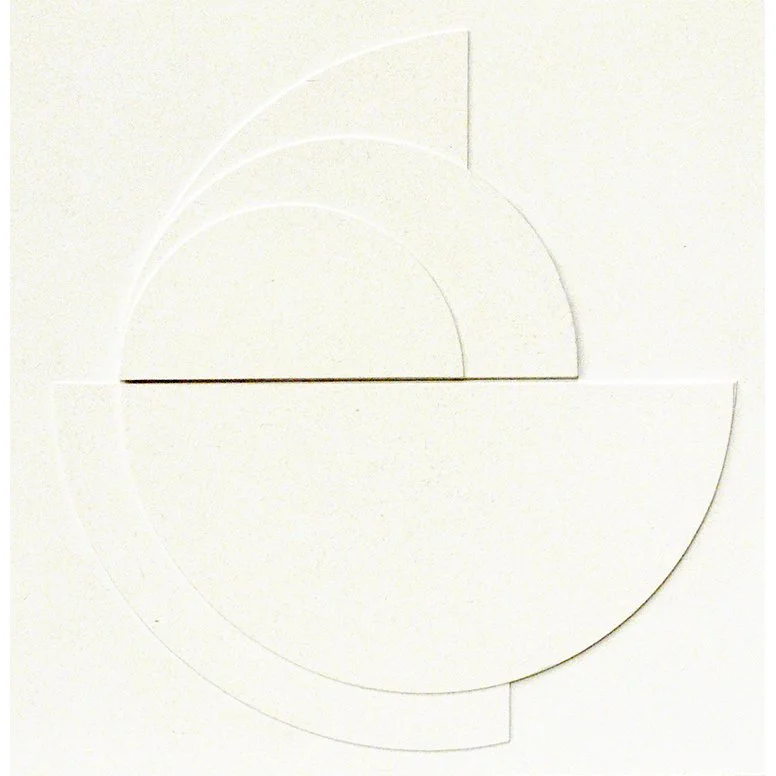
Untitled, 2019
acrylic/collage, MDF, 30 x 30 cm
-
![Jean-Michel Gasquet]()
Untitled, 2021
acrylic on MDF, 30 x 30 cm
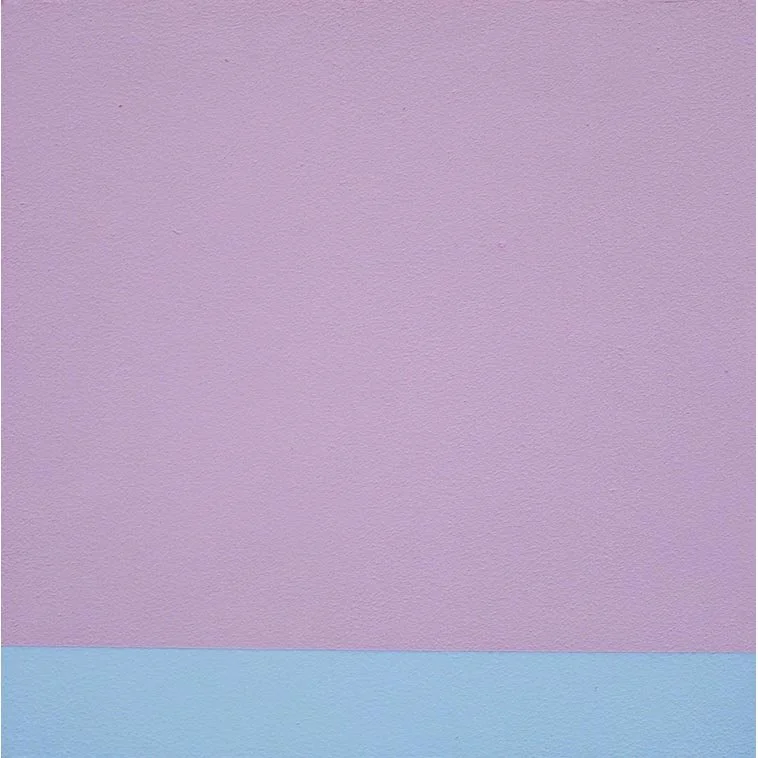
« Jean-Michel Gasquet has two alphabets: one that condenses the economy of shapes and colors to gain efficiency – this is where the architectural forms are inscribed – and the one where the lines disappear, aptly named “alphabet”. »
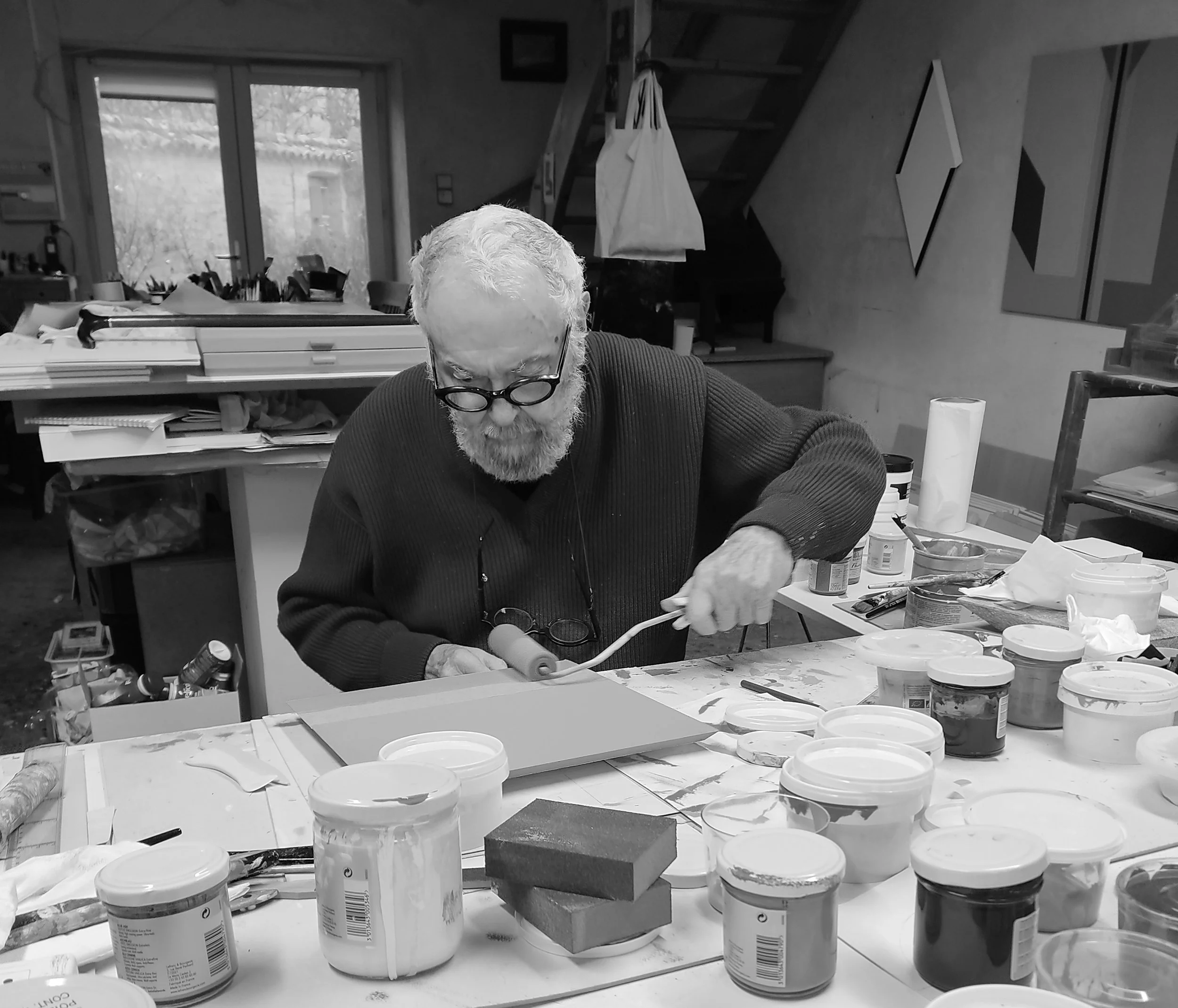
JEAN-MICHEL GASQUET
Born in 1929 in Nîmes, died in 2023 in Burgundy.
Does Jean-Michel Gasquet cultivate paradox? He works in series, and against all expectations, doesn't allow himself to be lulled into complacency by the fruits of a research project that has reached a conclusion. Constantly, the line becomes stroke, form becomes color, and vice versa. He knows that if by chance every form or color were to become paradoxical, their assertion would risk being perceived as ingenious; this is why he continually moves from one to the other, all the while knowing that the panacea does not lie in paradox either.
Gathering the conditions for the ultimate work, by tirelessly reworking the same surfaces, by shifting the ruler, the set square, or the compass, allows the artist to resolve his questioning in the form of long sequences: some forty paintings thus emerge in Gratay in a few months. They take on titles such as "bevels," "alphabet," or more recently the "Rozand" series. There are two alphabets in Jean-Michel Gasquet's work: one that condenses the economy of forms and colors to gain efficiency—this is where the architectural forms are inscribed—and the one where the lines disappear, aptly named "alphabet.".
Jean-Michel Gasquet's intuition led him to follow in the footsteps of great masters, radicalizing his approach to color. Eight years ago, his series of horizontal colored bands followed a series of flattened polygons in primary colors—reminiscent of his little girl's painted toys—but subsequent sequences introduced bevels, revealing pastel forms, complemented by bands of brilliant white against large surfaces of matte white. The resulting optical vibration evokes an almost metaphysical emotion, akin to that of certain Malevich paintings.
Extracts of balance and intuitions
In a friendly dialogue with Jean-Patrice Rozand, Jean-Michel Gasquet developed a sculptural approach to his painting. In his white works, diaphanous or slightly grey forms are like totems emerging from the mist.
These angles, half-moons, and diamonds are strangely reminiscent of the different facets that Jean-Patrice Rozand's sculptures reveal depending on the viewing angle. At first glance, Jean-Patrice Rozand's sculptures, due to their material, Corten steel, give an impression of massiveness, but upon closer inspection, they reveal a great fragility, an almost ethereal quality, resulting from a precarious balance.
Works in museums and public collections
Museum of Mâcon, France
Museum Ritter Germany
Selection of the main exhibitions
2007 Museum Ritter, Waldenbuch, Germany
2007/2008 Harbour Master's Office of La Grande Motte
2009 Stattgalerie Klagenfurt, Austria
2010 Messmer Foundation, Riegel, Germany
2012 Ursuline Museum, Mâcon
Selection of works available in the shop
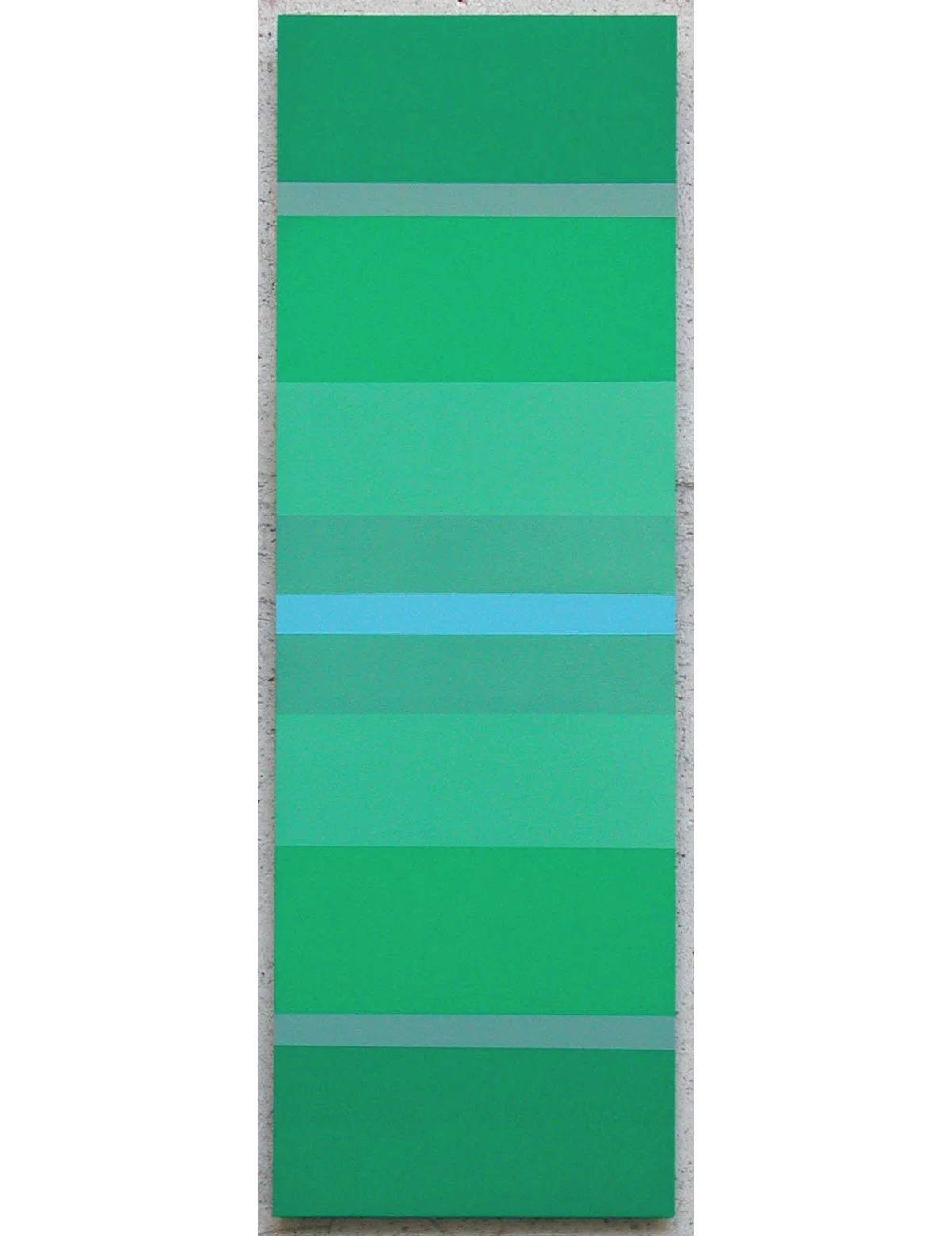


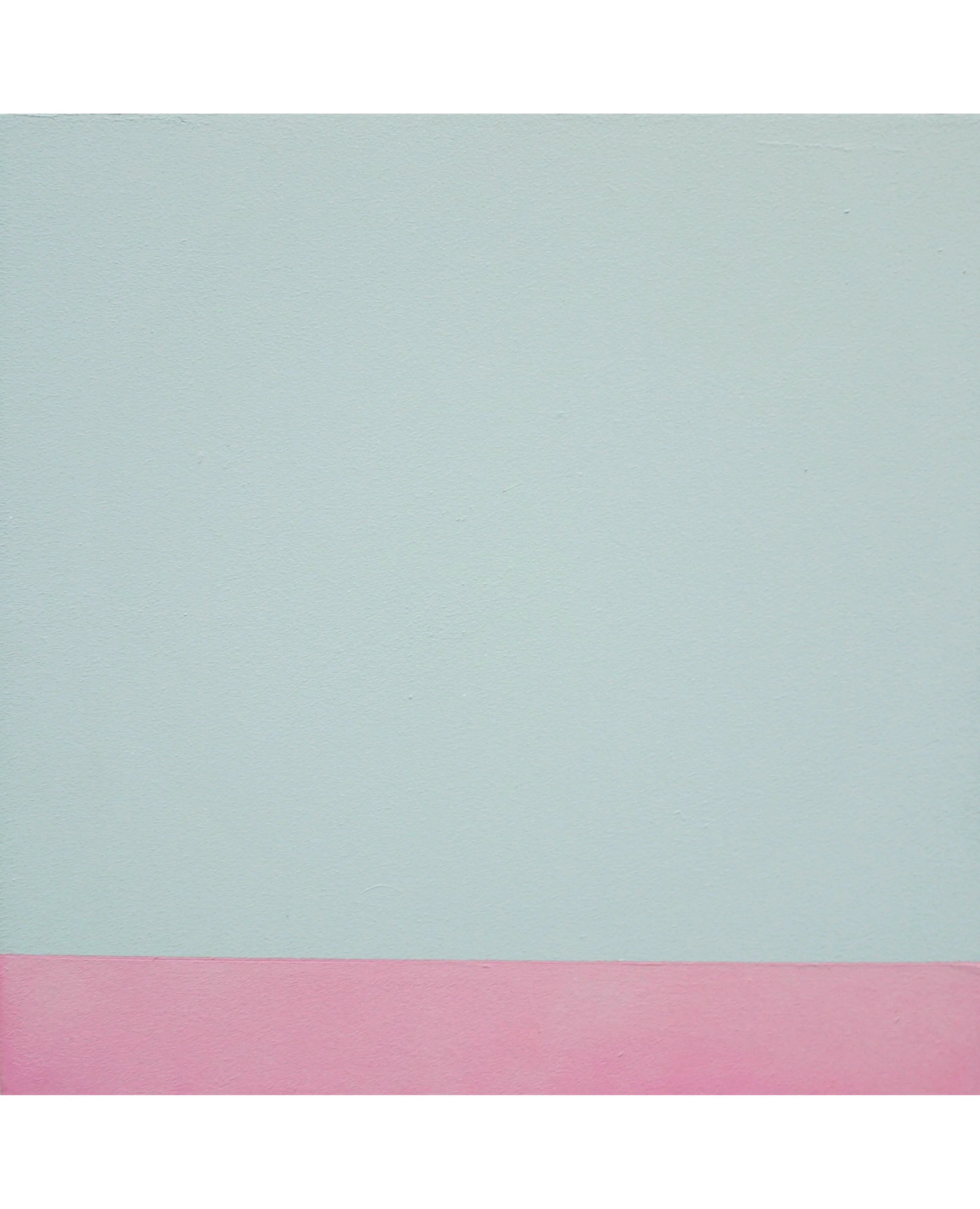
Selection of prints available in the shop


Price on request
Acrylic and flash on wood
60 x 60 cm
Free collection at the Gallery or delivery upon request (quote available).
←Jean-Michel Gasquet | ←Original Works | ←Store