
-
![Renaud Jacquier Stajnowicz]()
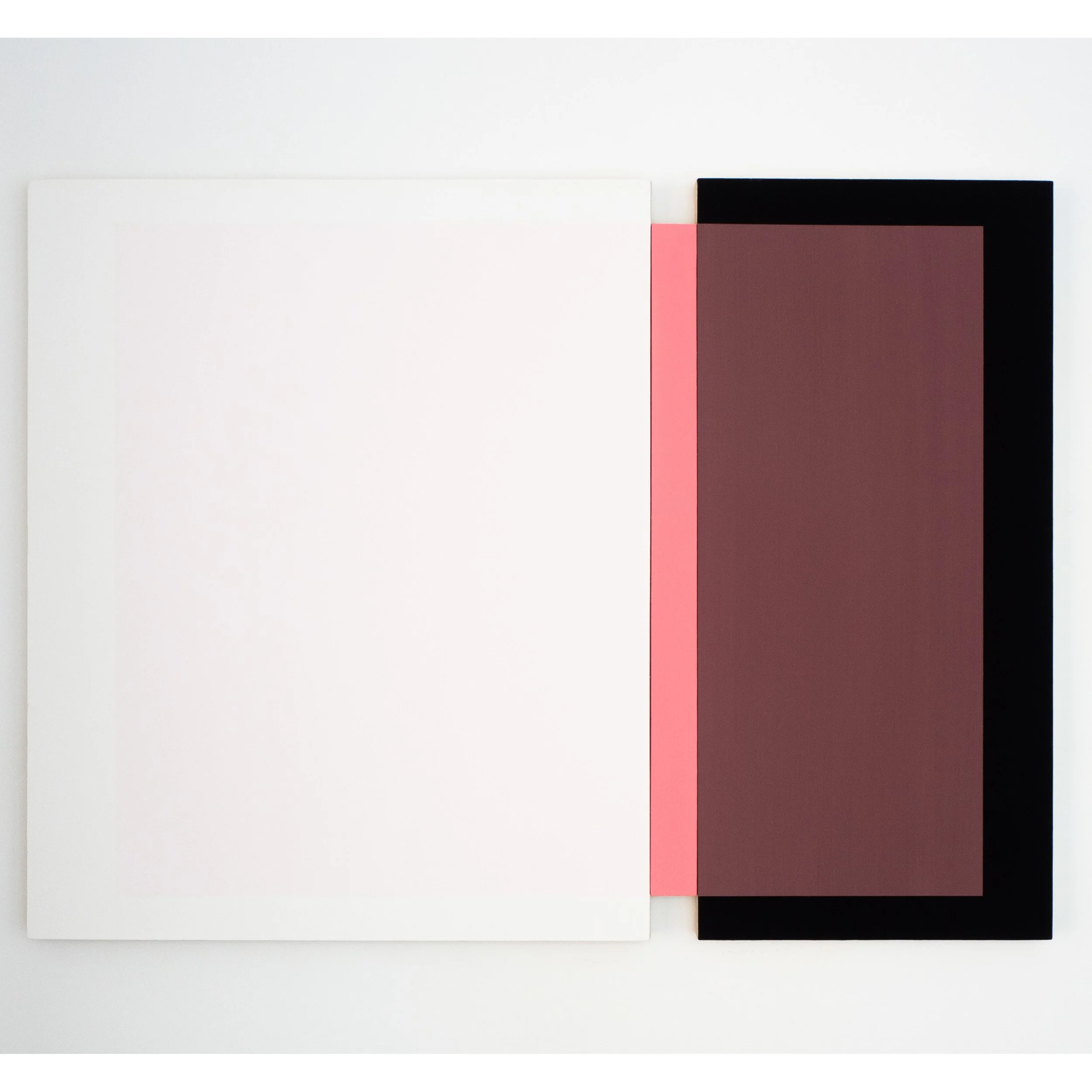
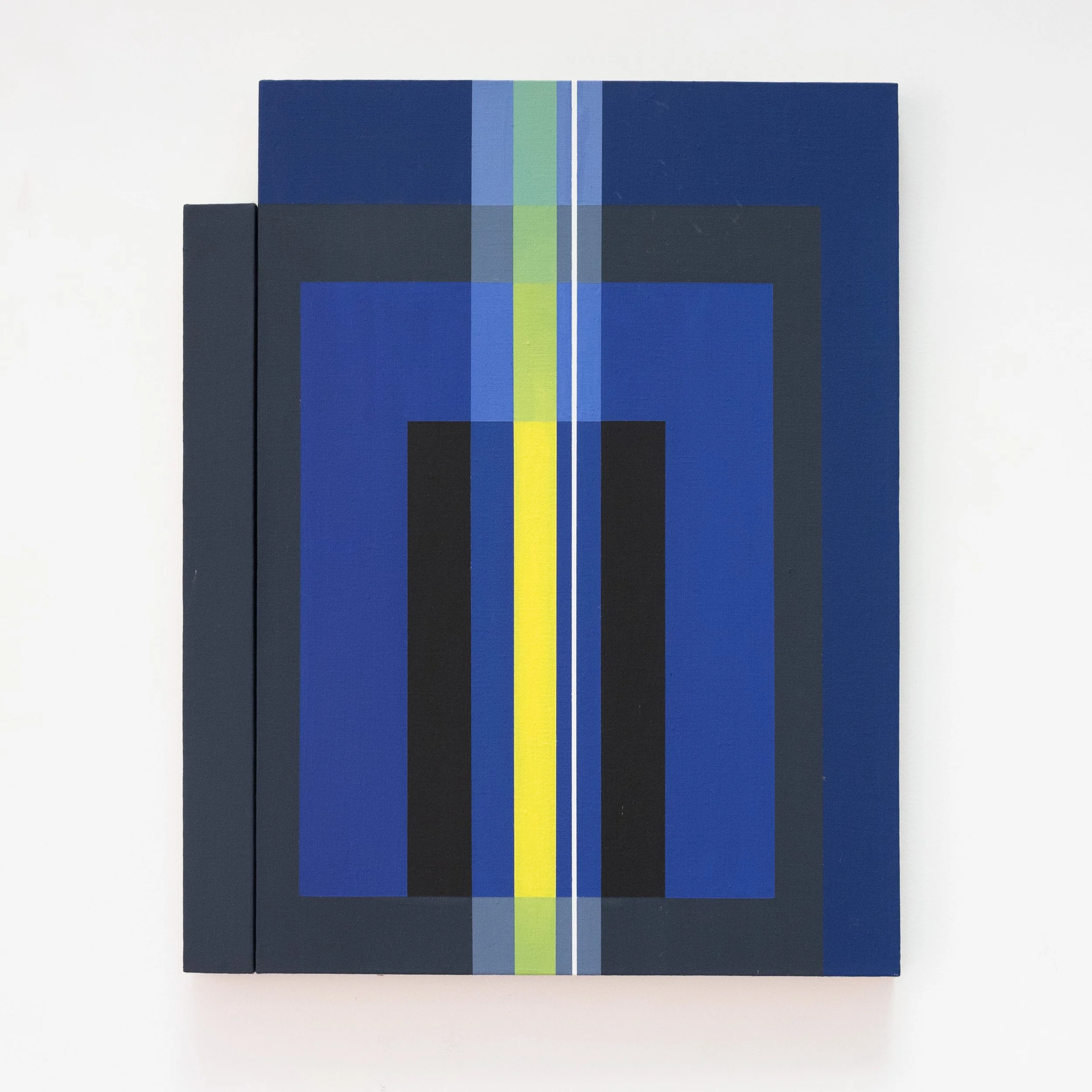
Silent waiting... , 2000
Acrylic on canvas, 85 x 115 cm
-
![Renaud Jacquier Stajnowicz]()
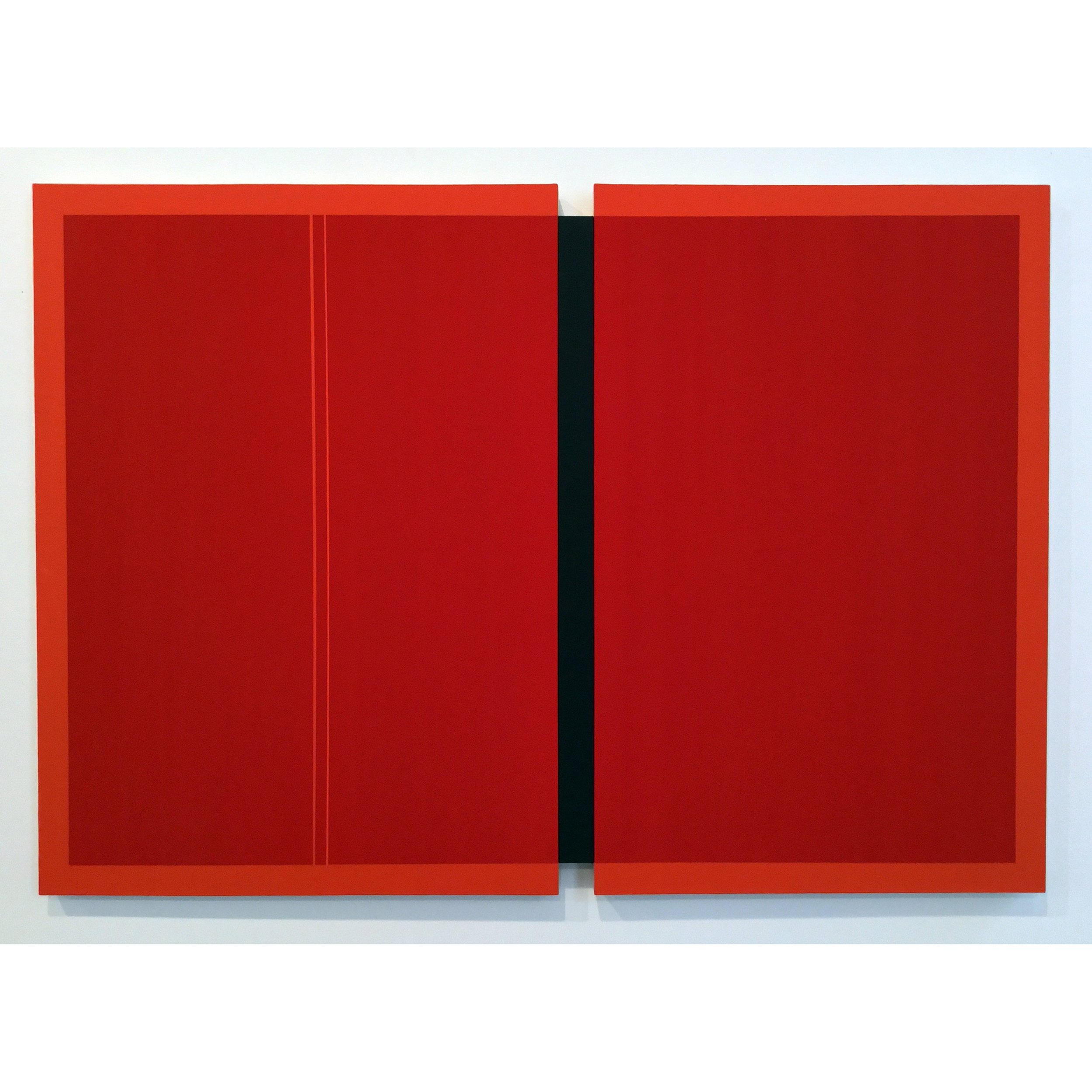
He's looking for trouble..., 2019
Hide glue & pigments, 93 x 133 cm
-
![Renaud Jacquier Stajnowicz]()
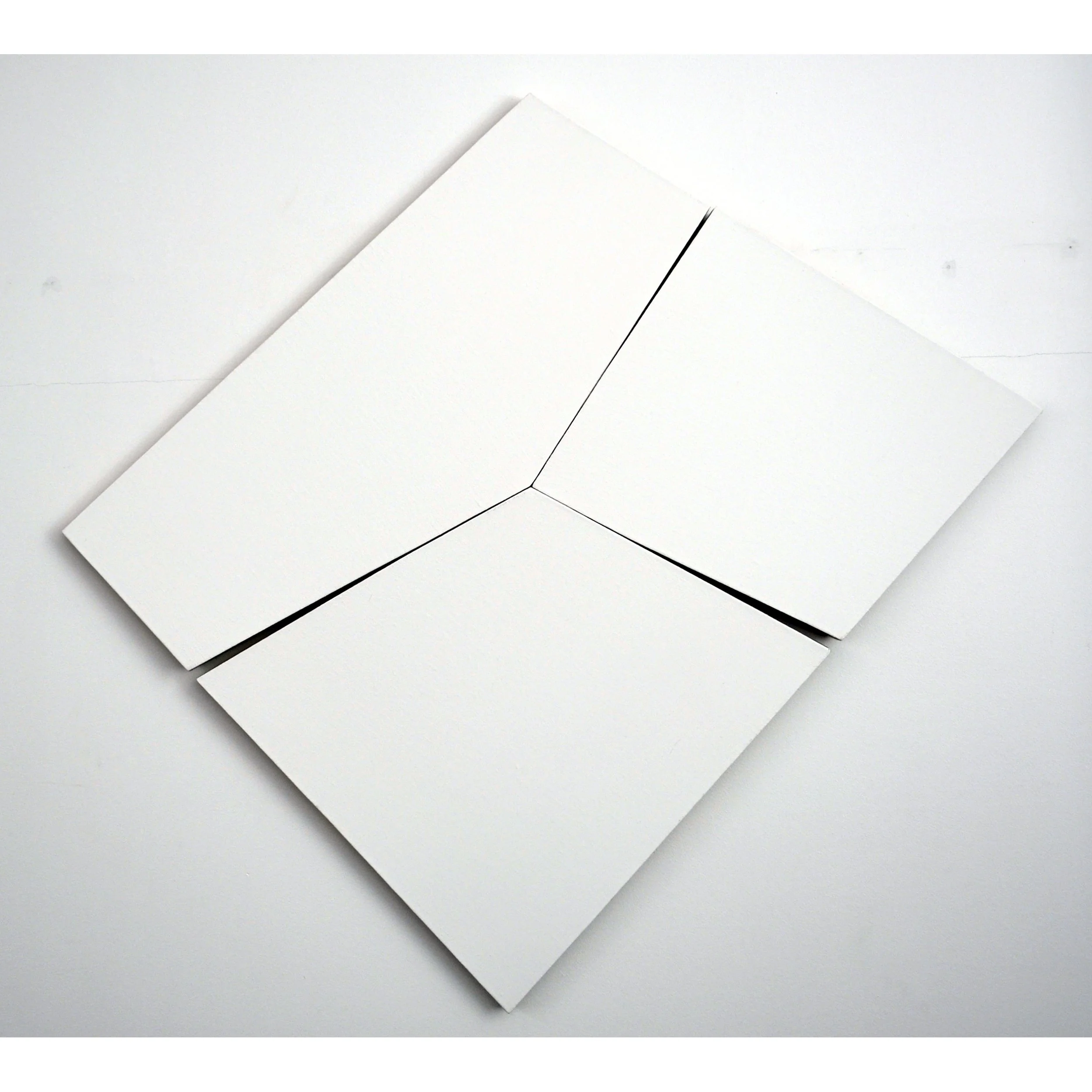
Take then…, 2019
Acrylic on canvas, 102 x 110 cm
-
![Renaud Jacquier Stajnowicz]()
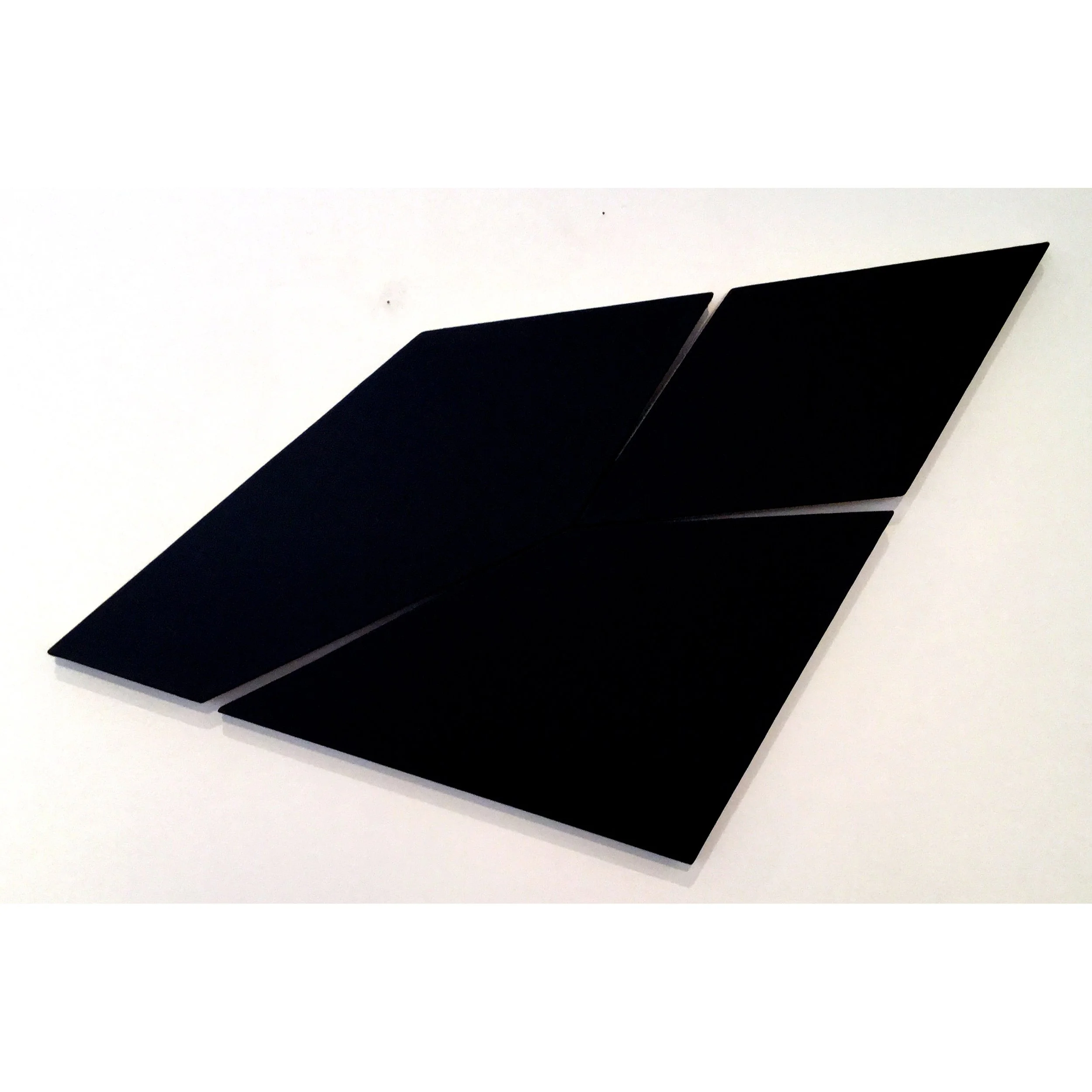
Flayed knees…, 2019
Acrylic on canvas, 41 x 75 cm
-
![Renaud Jacquier Stajnowicz]()
They surprised us at the border where the cliff is vertical, 2022
Acrylic on canvas, 50 x 40 x 3 cm

RENAUD JACQUIER STAJNOWICZ
Born in 1952, lives and works in Chavanod, Haute-Savoie.
Who would suspect the complexity of assembling the chassis, the precision required to juxtapose the elements to transform a flat surface into a three-dimensional "object"?
Jacquier-Stajnowicz's canvases, whose dimensions are dictated by his own height, never simply adhere to conventional forms. Each figure, in taking shape, becomes an element in its own right, requiring its own individual frame. Each element submits to the same requirement: to constitute the form of the work, the one initially conceived by the artist. Assembled, they obey the creator's design and thus become the essence of the work.
Thus, form becomes content and content becomes form. From this ambivalence arises the impression of great strength, immediately contradicted by the intuition of extreme fragility.
Excerpt from the preface by Christiane Talmard
“I am all that is, that was, and that will be, and no mortal has lifted my veil” (1). And what if this inscription were addressed to painting itself, to art simply, as if the act of painting, the ceremony of painting, revealed to us the impossibility of unveiling? Will painting lend this helping hand, this “snatched” gesture by which the secret allows itself to be stolen? There is indeed something here, as if by fraud, that insinuates itself and renders the concern for understanding useless.
And yet, everything is there, within reach: transparent and profound colors, commanding, a refuge of innocence, the key to a shared language, to the relationships between beings. Jacquier-Stajnowicz chooses monochrome, a way
The physical process of bringing the surface to the point of impact makes any hold fragile. Non-descriptive color avoids "radical" inflation in order to favor intervention, the act of painting itself.
Unconstrained by doctrine or a closed system, the gesture can freely probe pictorial space and ignite reality to the point of astonishment, a representation of the “unpresentable” or a “brilliance of presentation.” Reality, “the property of that which saturates the senses,” according to Valéry (2), overflows to excess, an excess that insists and resists until it leaves us speechless. The absence of a subject, or rather its overflowing, rises above, opening a field where the scale of the painting is indeed the scale of the body.
Painting forms a family where the alliance between eye and heart is forged in the ebb and flow of the walker's steps, in the rhythms of their rhythms. White, black, blue, the gaze crashes, scrutinizes the image, traversing it from floor to wall and beyond, confronted by the space of the place, closed in its muteness. At the last moment, at full speed, the painting escapes control, the closure that would lead it toward a finished state where the balance between "personal and impersonal," that precise point between being and nature, would be lost. This approach vaporizes the tenacious ideas of painting as object, easel painting as sculpture. Y. Klein (3) states that "his monochrome propositions are landscapes of freedom, I am an Impressionist and a disciple of Delacroix." Jacquier-Stajnowicz agrees with him in the dematerialization of color into a body that is "immaculate, calm, relaxed.".
The painting reveals its secret until we are left breathless, stunned, upon arrival and on the edge of the canvas, “little sister,” we must now remember what came before; seen between pleasure and displeasure. Only painting allows this pursuit, this way of hurtling down the surface in the light, regardless of the distance for us, the subject, “unbearable spoiled child” (4). The pursuit only has reason to exist in order to touch the invisible within the visible, at the moment when the space between myself and things is connected only by lived experience. The plastic intensity of Jacquier-Stajnowicz’s works makes it almost possible to explore what drives the gesture, and conversely, its silence disturbs us, carefully avoiding showing it. This disquiet is solicited when it comes to shake our codes to the point of collapsing our will to power and provoking panic. Then, a certain idea of beauty intrudes unexpectedly, in a flash.
1 Inscription from the Temple of Isis, E. Kant, Critique of the Faculty of Judgment (CF) Akademie Ausgabe, Berlin 1913 - 2 P. Valéry, in his notebooks - 3 Y. Klein, in his diary, August 23, 1957 - 4 C. Lévi-Strauss
Elisabeth Chambon, curator of the Géo-Charles Museum
Works in museums and public collections
Arithmeum Museum, Bonn, Germany
Leschot Foundation, Switzerland
National Foundation for Contemporary Art, Paris
Géo Charles Museum, Echirolles, France
Maison des Arts, Thonon-les-Bains, France
Selection of the main exhibitions
2019 - Lahumière Gallery. Paris
2019 - Lothar Kurz Gallery Ingolstadt. Germany
2018 - Corona Hunger Gallery. Bremen. Germany
2017 - Street Gallery. Switzerland
2014 - "Espace de l'Art Concret" Museum – Mouans-Sartoux (06) France
2013 - Lahumière Gallery. Paris
2011 - Cultural center. Seynod. France
2010 - Kunstalle Messner. Riegel. Germany
2009 - Stattgalerie Klagenfurt. Austria
2008 - Exhibition “Espace Raphaël Sanzari” Annecy
2007 - Lahumière Gallery. Paris
2004 - Lahumière Gallery. Paris
1995 - 2019 : Representation with the Lahumière gallery at the Frankfurt, Basel, FIAC, Art Paris, Cologne, and Chicago art fairs
Selection of works available in the shop


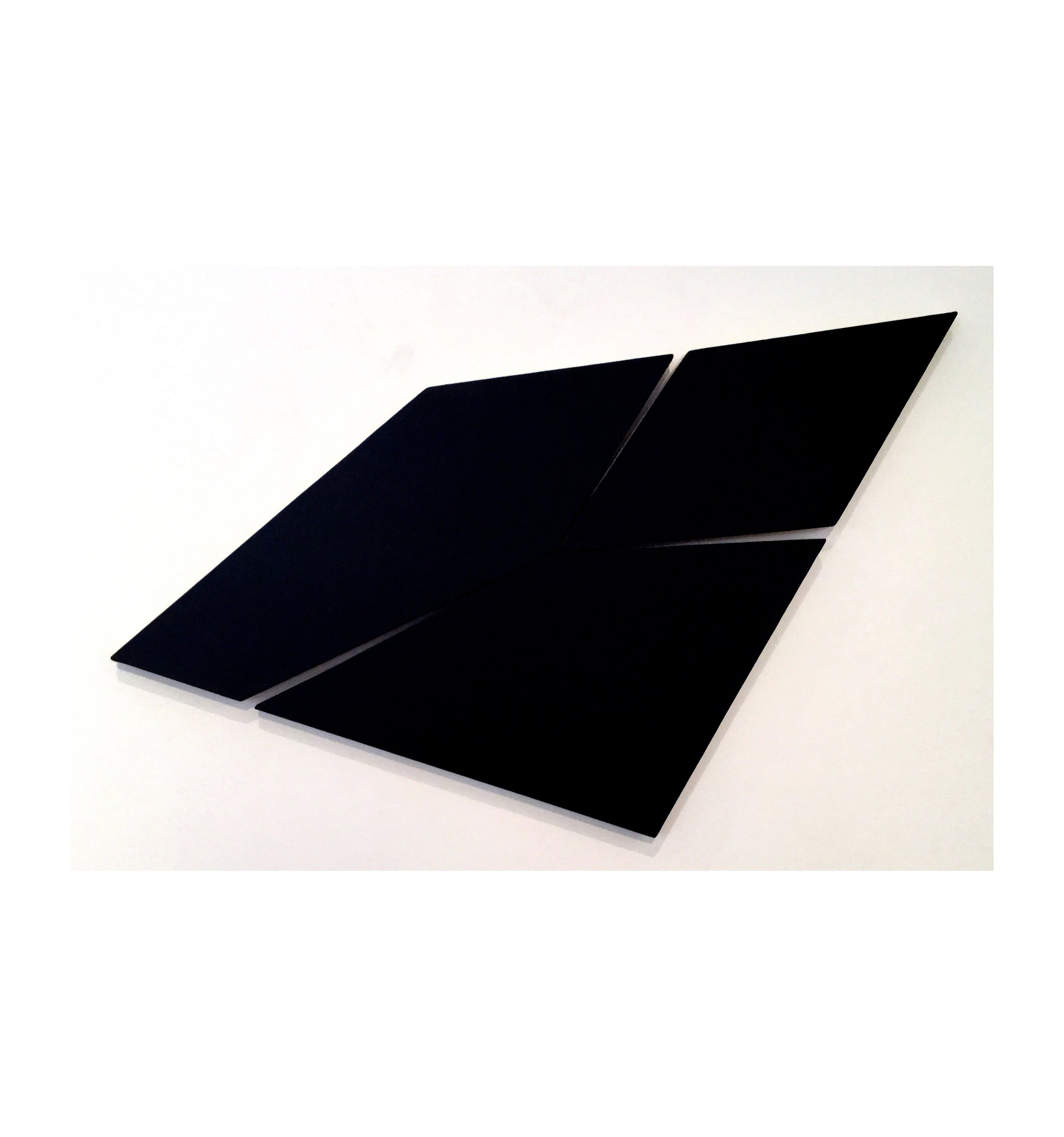


Selection of prints available in the shop


Price on request
Acrylic on canvas
85 x 115 cm
Free collection at the Gallery or delivery upon request (quote available).
←Renaud Jacquier Stajnowicz | ←Original Works | ←Store