
-
![Antoine Perrot]()
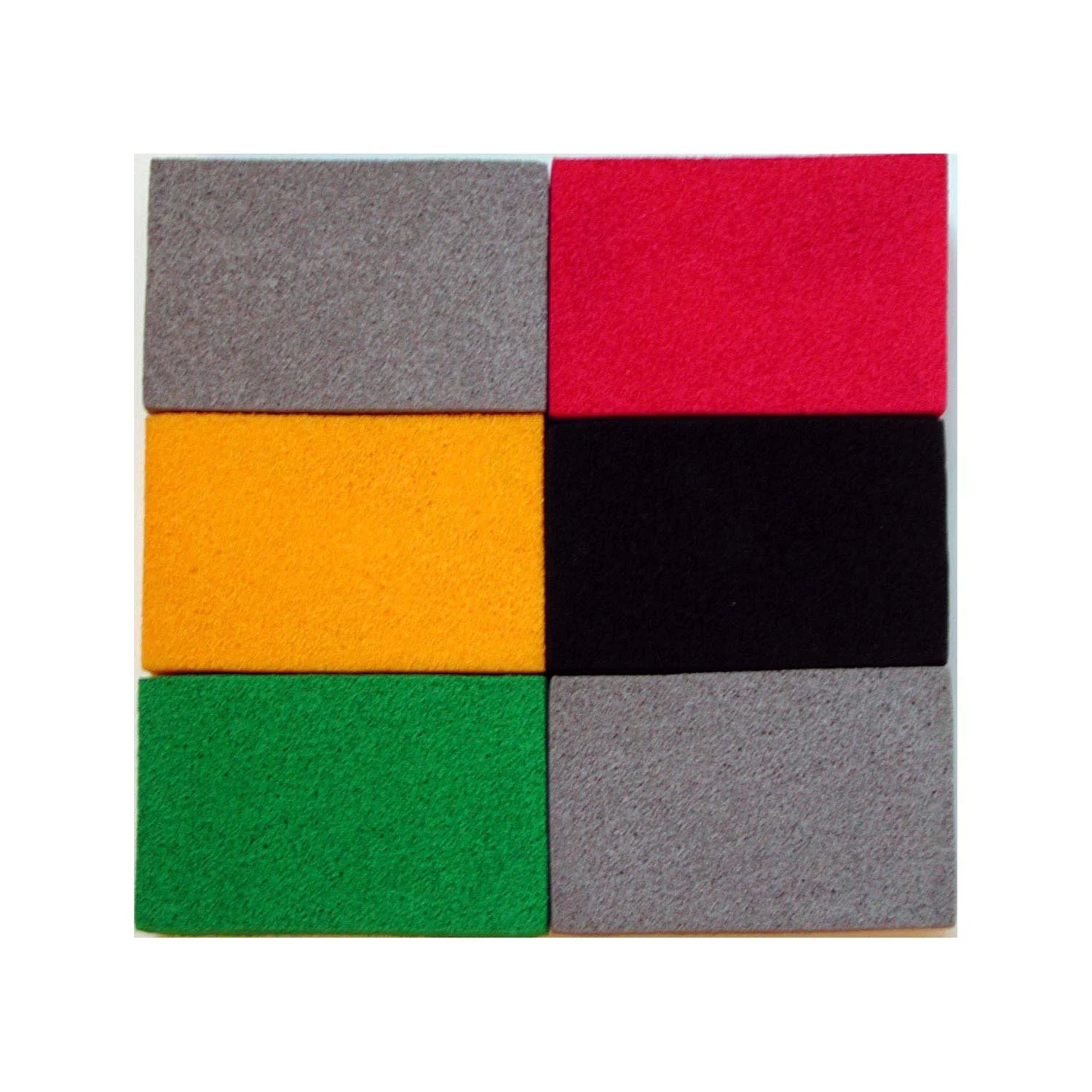
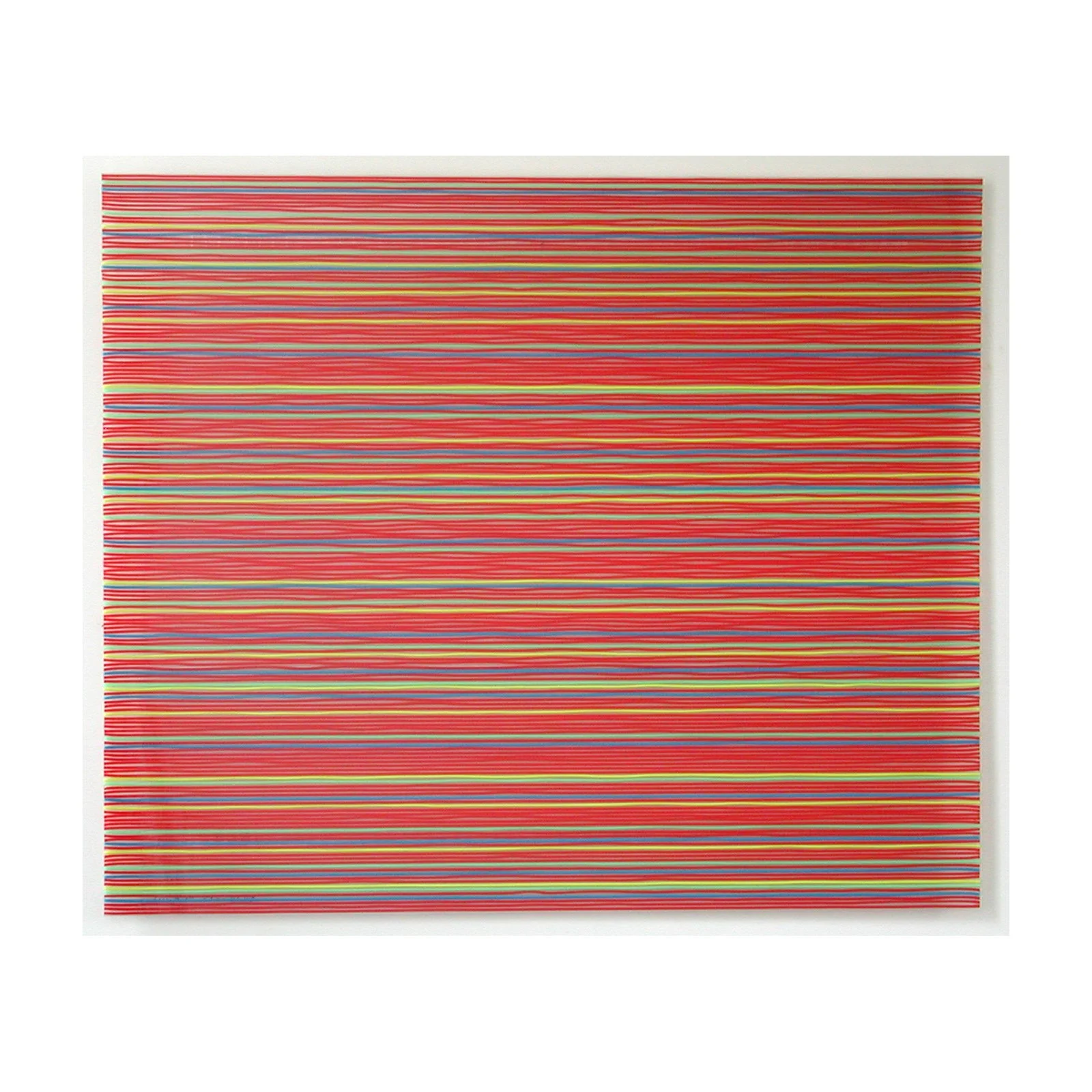
Required 5 5/6, 1995
Acrylic and foam, 21x22 cm
-
![Antoine Perrot]()
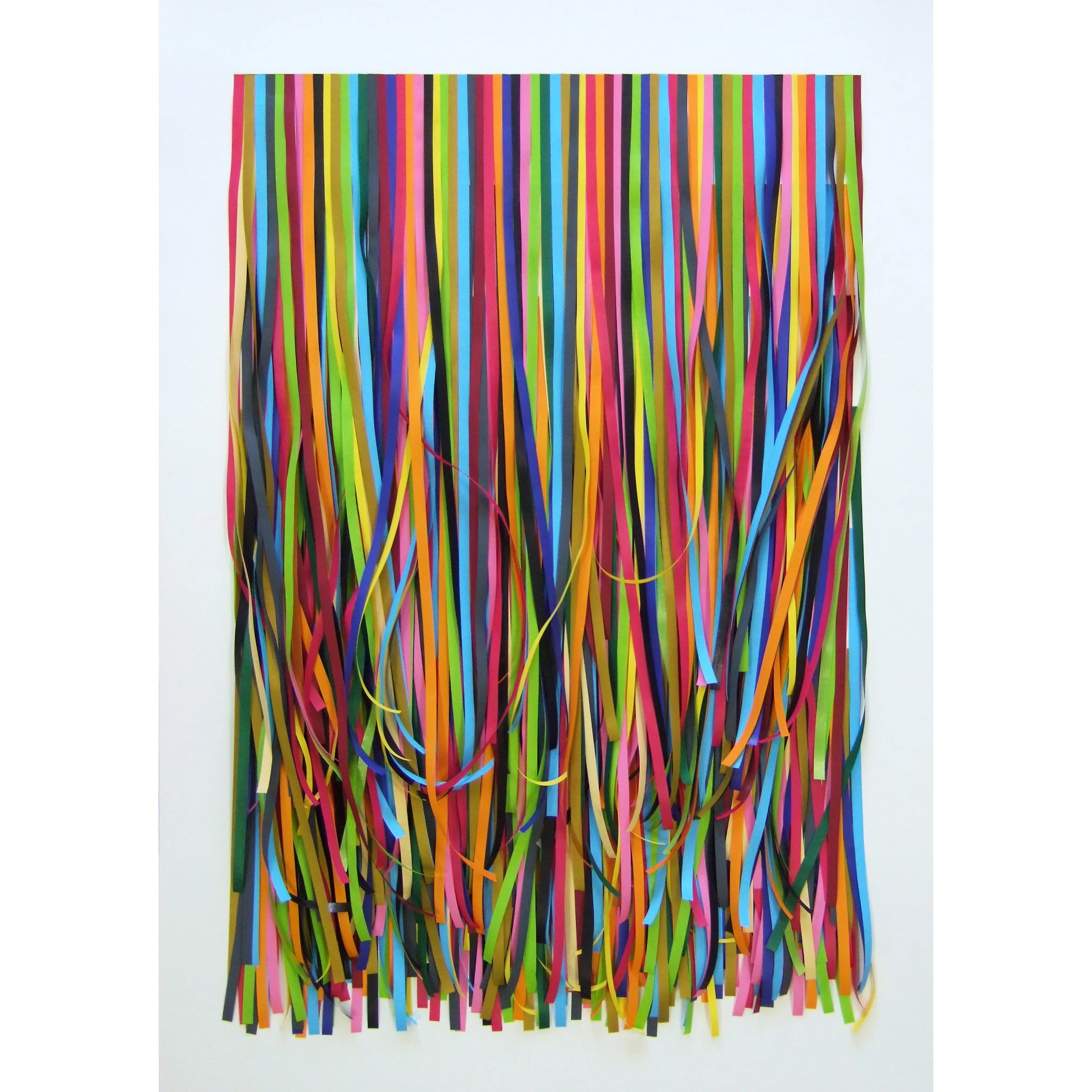
Drawing 09/06/2016
Ribbons, 100 x 70 cm
-
![Antoine Perrot]()
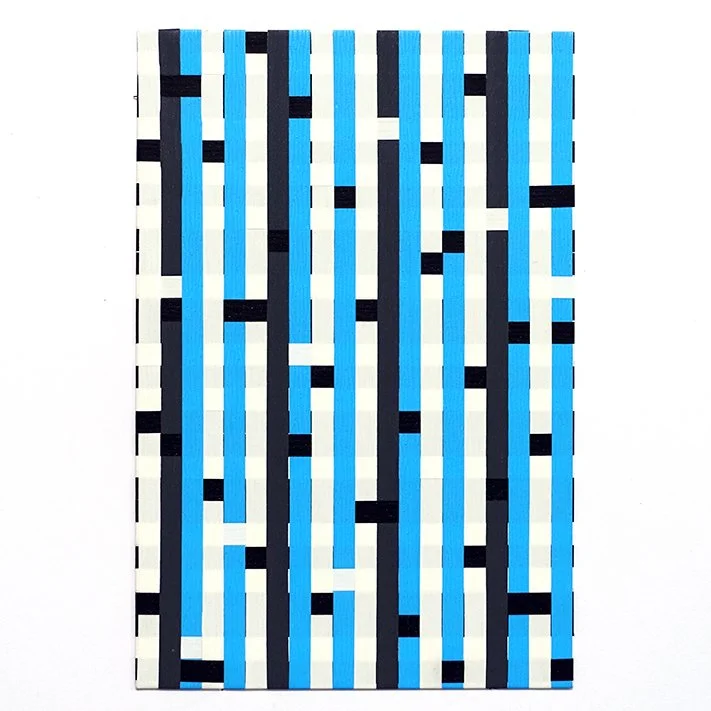
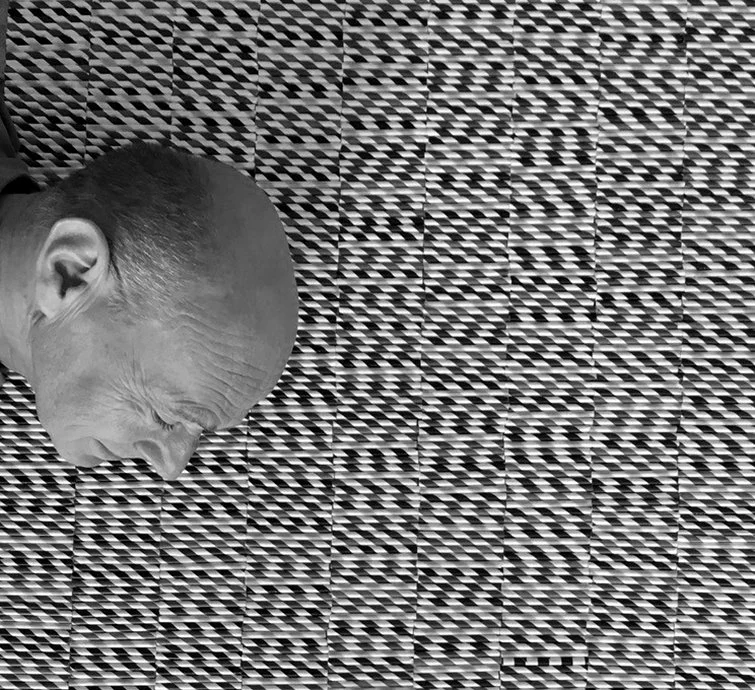
Exercise 40, 2024
Woven ribbons, 30 x 20 cm
-
![Antoine Perrot]()
New list item
The description appears here -
![Antoine Perrot]()
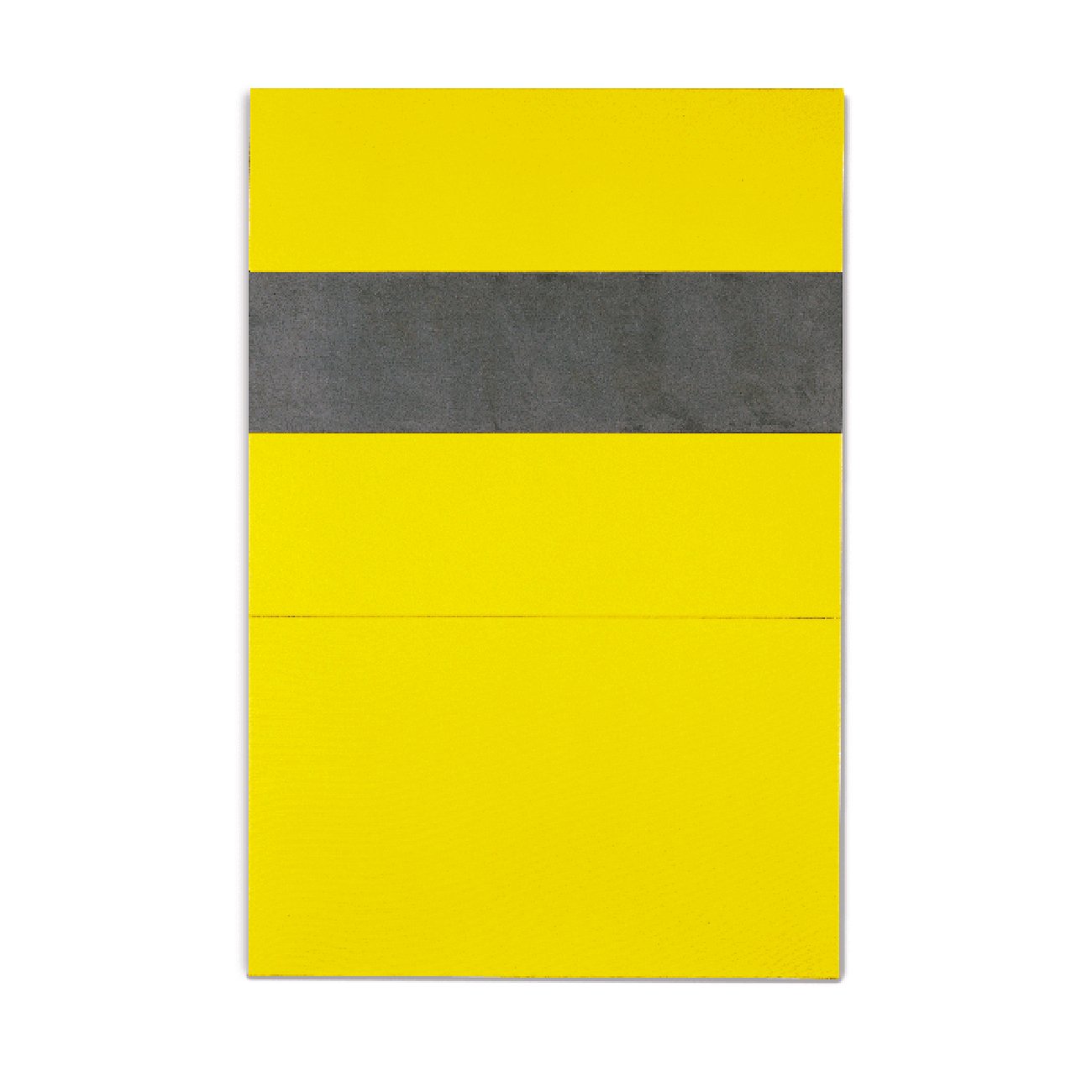
New list item
The description appears here
ANTOINE PERROT
Born in 1953 in Toulon
Heir to concrete abstraction and minimalism, Antoine Perrot humorously evokes a history that features figures as diverse as Marcel Duchamp and Donald Judd. But he brings a range of ready-made colors to the geometric and repetitive structures of the minimalists. These colors allow his paintings to trigger a new vision of the world, because he chooses those that surround us, those of common, industrially produced objects: curtains, sponges, straws, rugs, string, ribbon… He thus subverts the standard codes of painting by sampling, reorganizing, and revealing the pictorial qualities of consumer products and transforming them into livable paintings, ready to be shared.
Perrot's works thus encourage the viewer to see as self-evident that the pictorial language of abstraction has always been present in numerous activities and in our environment. But from another perspective, by constantly taking elements external to the art world and reinvesting them in the pictorial process, he summons multiple cultural layers that evoke the allure of abstraction, the detachment of minimalism, and the cynicism of pop art, not to mention the pleasure of bricolage and the feigned naiveté of outsider art.
“Antoine Perrot’s painting is based on a consistent approach that could be called: radical chromatic equality. Or, if you prefer, the democracy of colors. Jacques Rancière defines democracy as “the equality of anyone with anyone,” without false sublimation pretending to transform the ordinary into the marvelous, and without contempt (“the primary intellectual evil”).” But that is precisely what Antoine Perrot seems to be doing: upholding the equality of any color with any other color, and placing the act of painting exclusively within a new way of reconfiguring the "distribution of the sensible," that is, the distribution of the visible and the sayable within the chromatic field: the orange of the 1970s, the bright yellow of road workers, faded green, plastic black… He thus helps us relearn to see not only the colors we don't see and don't want to see, but, with infinite tenderness, the beings we hide or who hide behind them—his grandmother's door curtains, the sponges of the cleaning staff, the stickers of his childhood… So there is no marketing transfiguration here of the colors of mass consumption, but no provocation, nor transgression either, because these colors are also the colors of everyday life and of "the common man at work," to borrow Dubuffet's beautiful phrase
Excerpt from Pierre Zaoui, "Happy Vibrations of Anonymous Colors", 2011
Works in museums and public collections
Schroth Collection and Foundation of Conceptual Art, Germany
Ritter Museum, Waldenbuch, Germany
National Fund for Contemporary Art, Paris
Frac Bretagne, Rennes
Frac Artothèque Nouvelle Aquitaine, Limoges
Museum of Contemporary Art of Val-de-Marne, Vitry-sur-Seine
Contemporary Art Fund – Paris Collections
Ursuline Museum, Mâcon
Museum of Art and History, Cholet
Selection of the main exhibitions
2019, Escaped Sons / Spinned Towards (duet with Olivier Soulerin), Atelier D3, Limoges
2017, Necessary Reality (in duo with Jean-Gabriel Coignet), Lahumière Gallery, Paris
2014, Special notebook bargains, Factory 49, Sydney, Australia
2012, Ordinary Happiness, Artistic Moments, Paris
2011, Lucky Charm Paintings, Lahumière Gallery, Paris
2011, Days of Happiness, Réjane Louin Gallery, Locquirec
2006, Common Territory, Lahumière Gallery, Paris
Selection of works available in the shop


Selection of prints available in the shop


1500€
Acrylic and foam
21 x 22 cm
Free collection at the Gallery or delivery upon request (quote available).
←Antoine Perrot | ←Original Works | ←Store