
-
![Charles Bézie]()
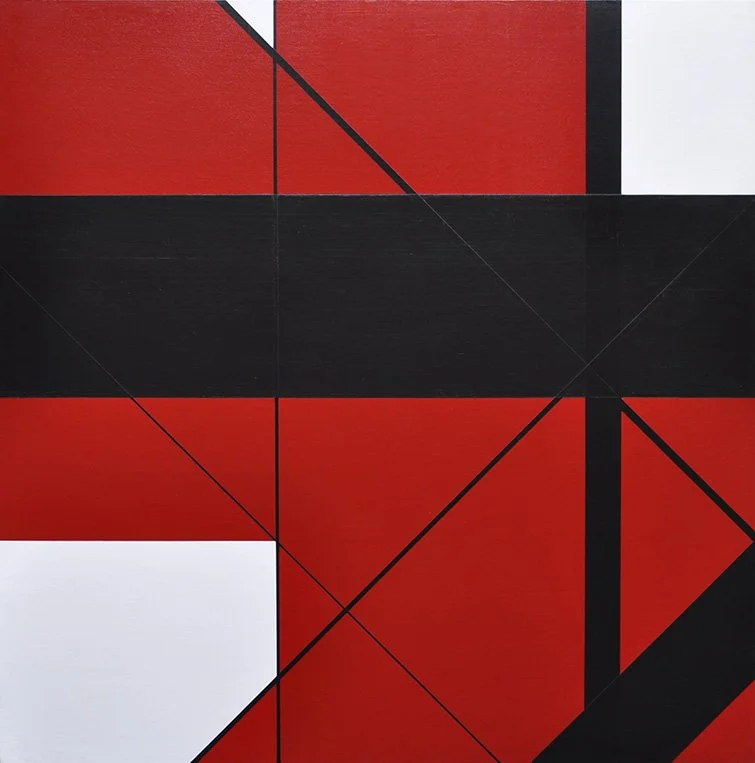
Untitled No. 573, 1991
Acrylic on canvas, 120 x 120 cm
-
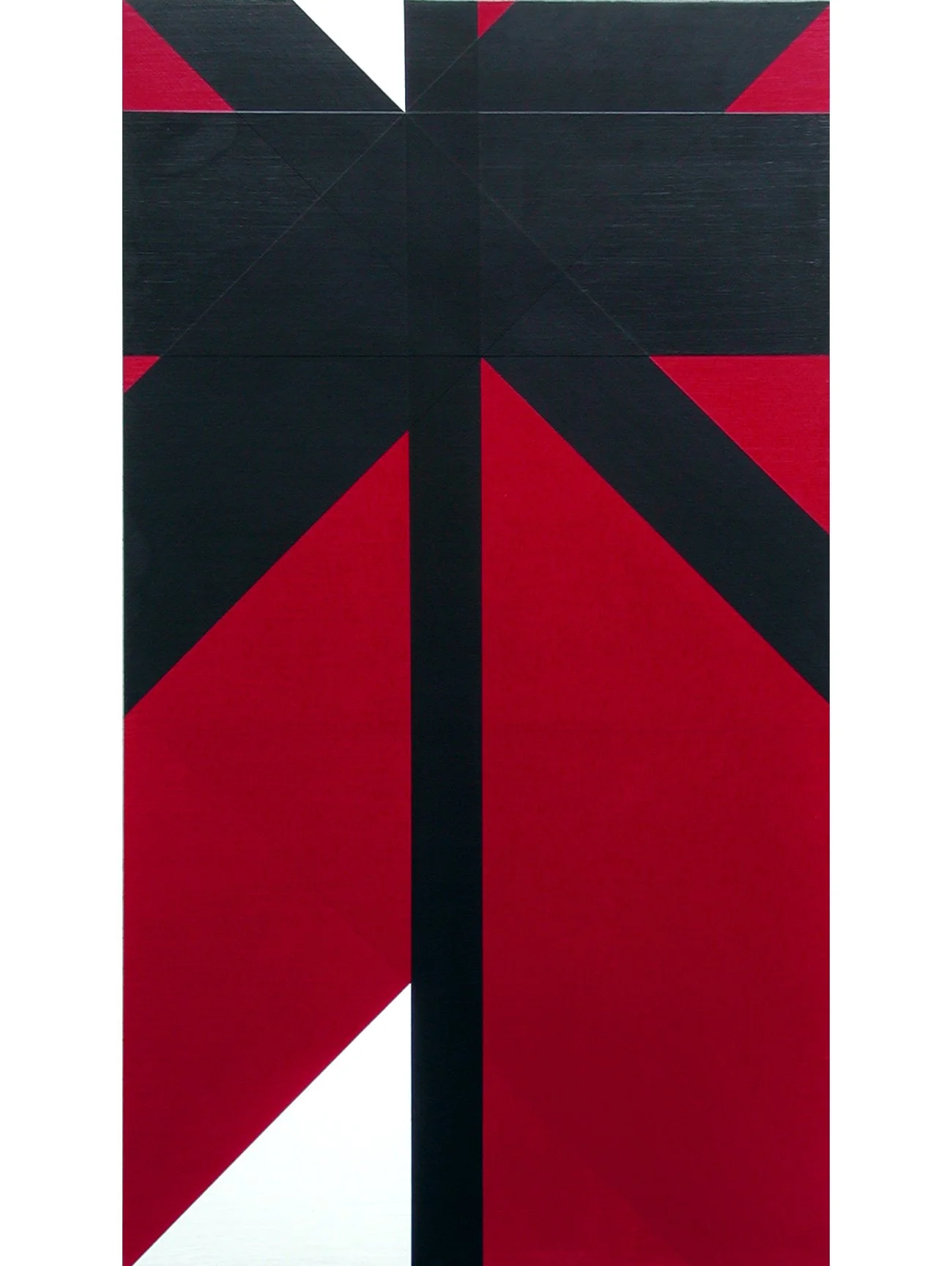
![Charles Bézie]()
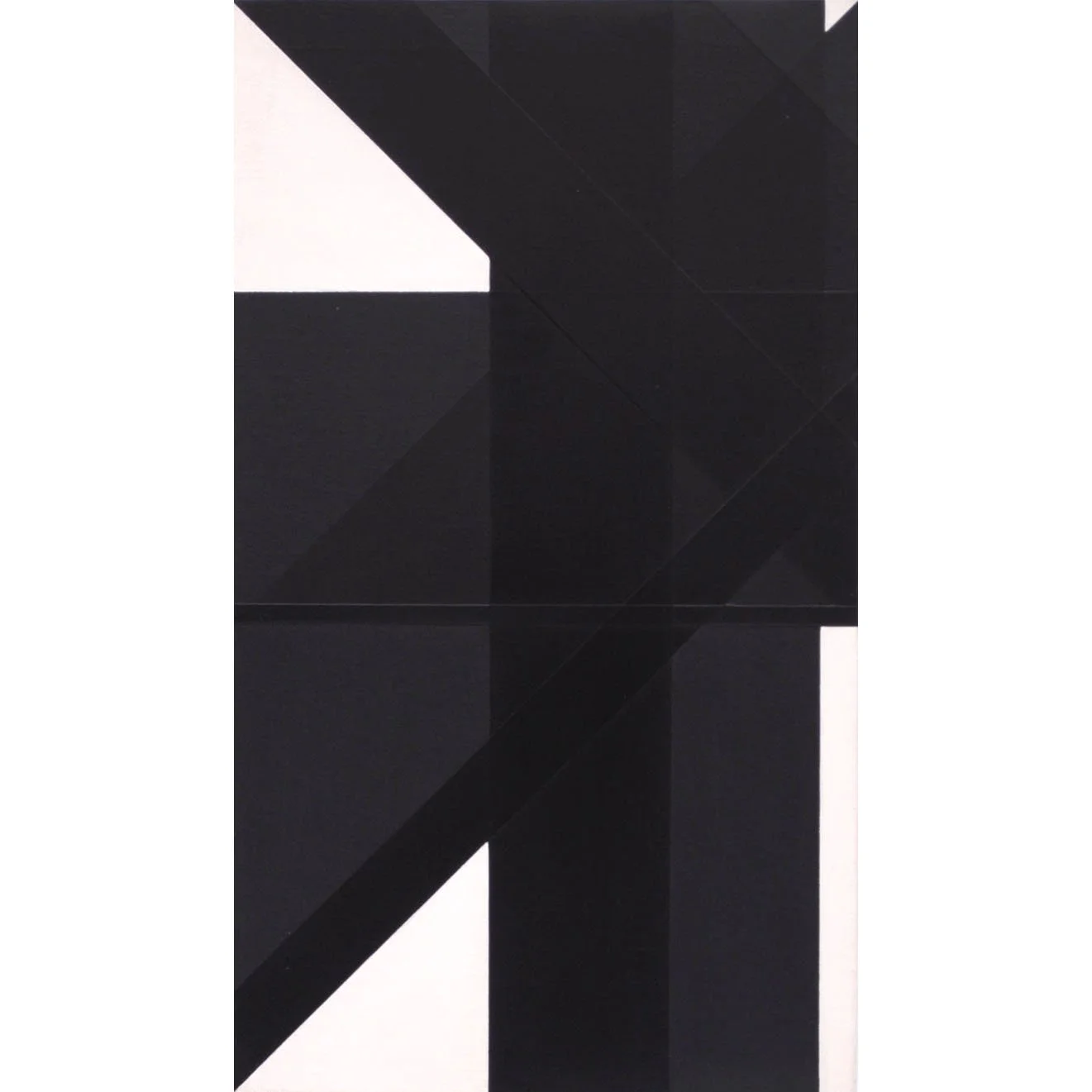
No. 454, 1989
Acrylic on canvas, 195 x 114 cm
-
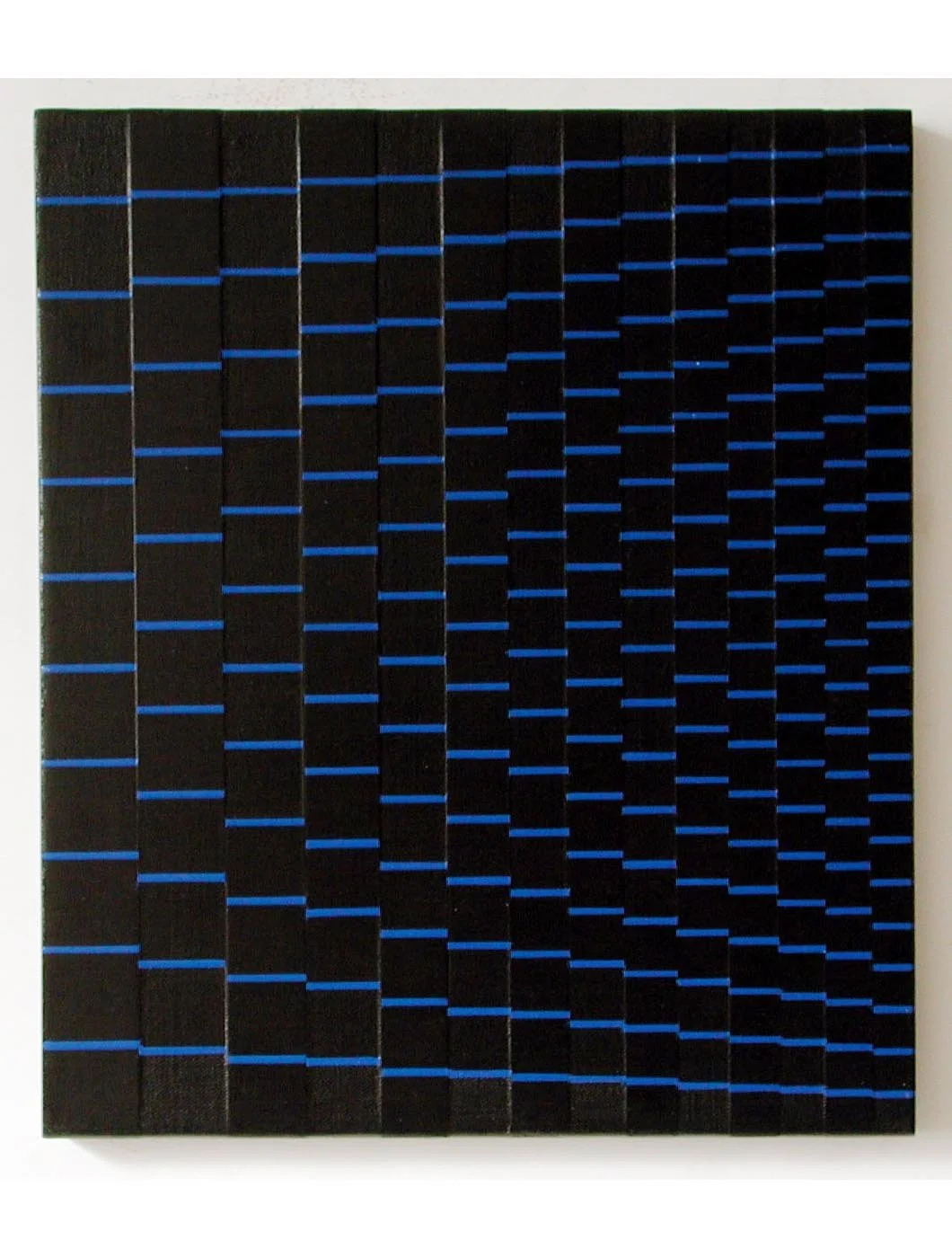
![Charles Bézie]()
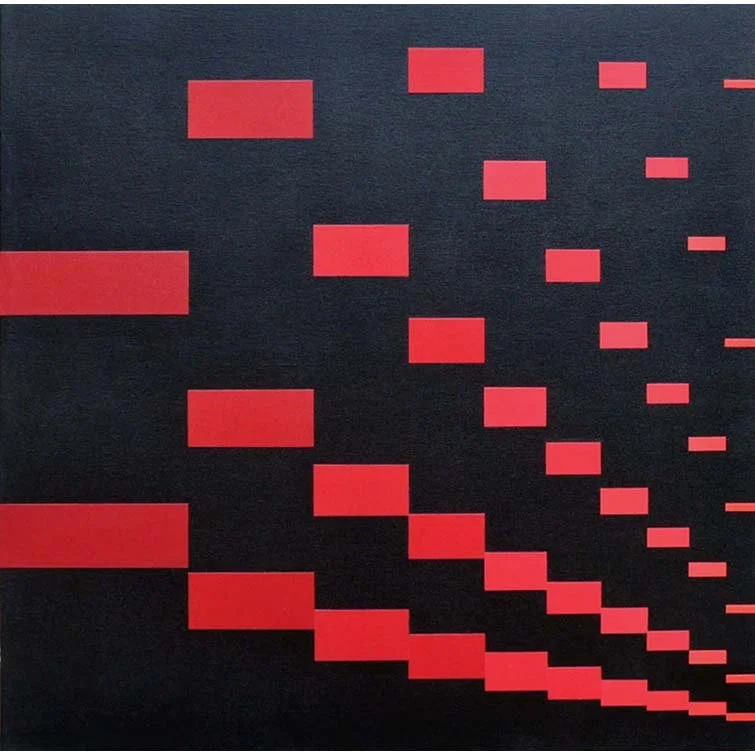
No. 1541, 2010
Acrylic on canvas, 120 x 121 cm
-
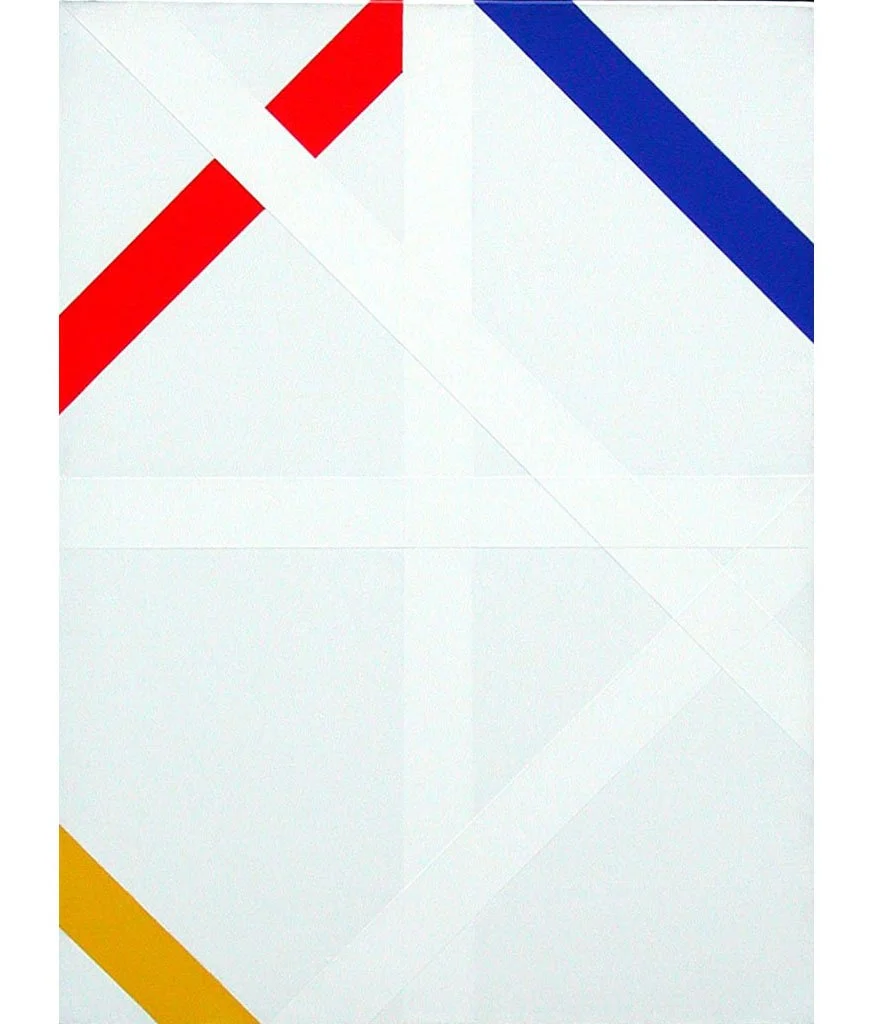
![Charles Bézie]()
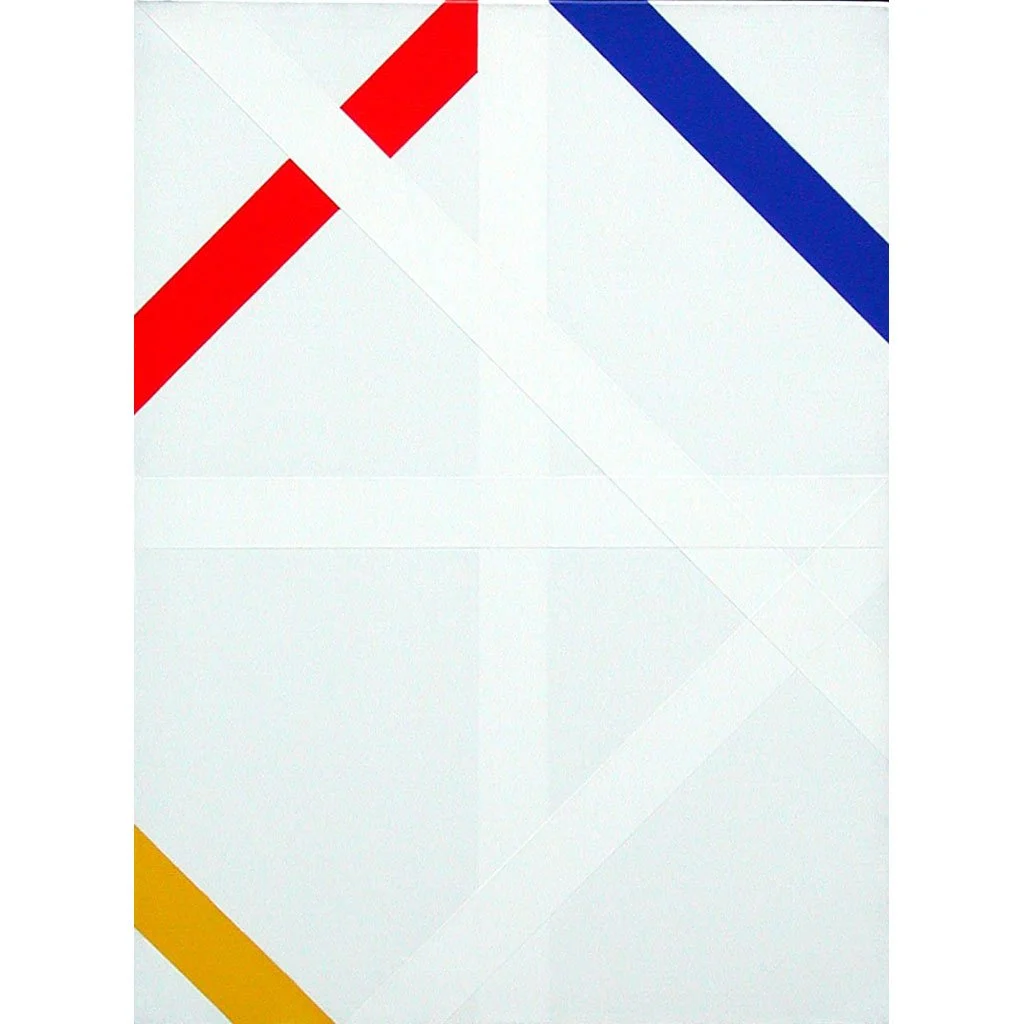
The Three Primary Schools, No. 302, 1982
Acrylic on canvas, 73 x 54 cm
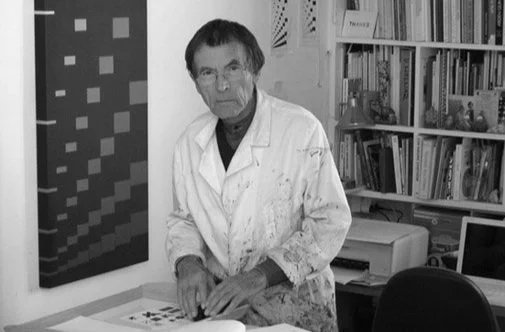
CHARLES BEZIE
Born in 1934 in Varades and died in 2026 in Paris
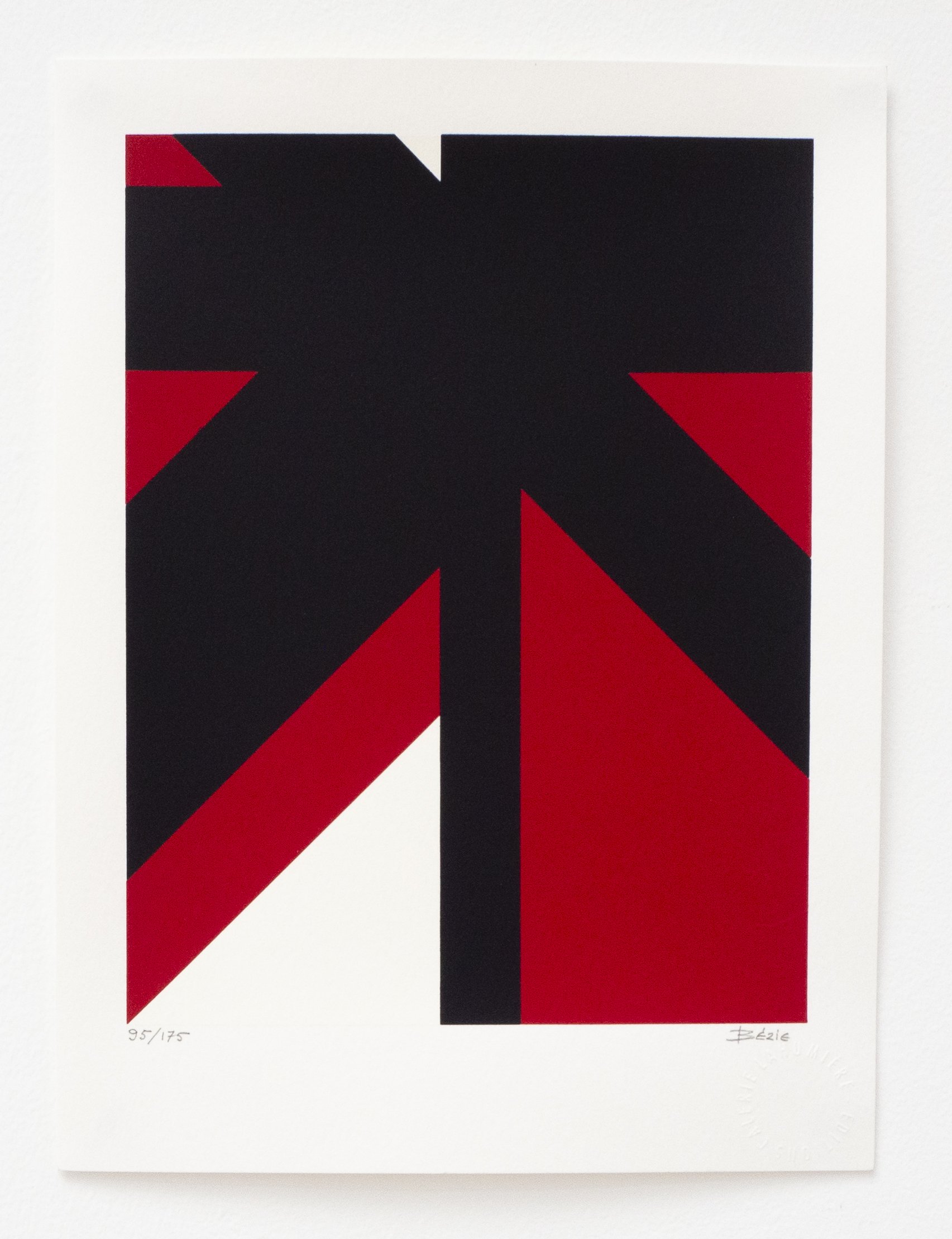
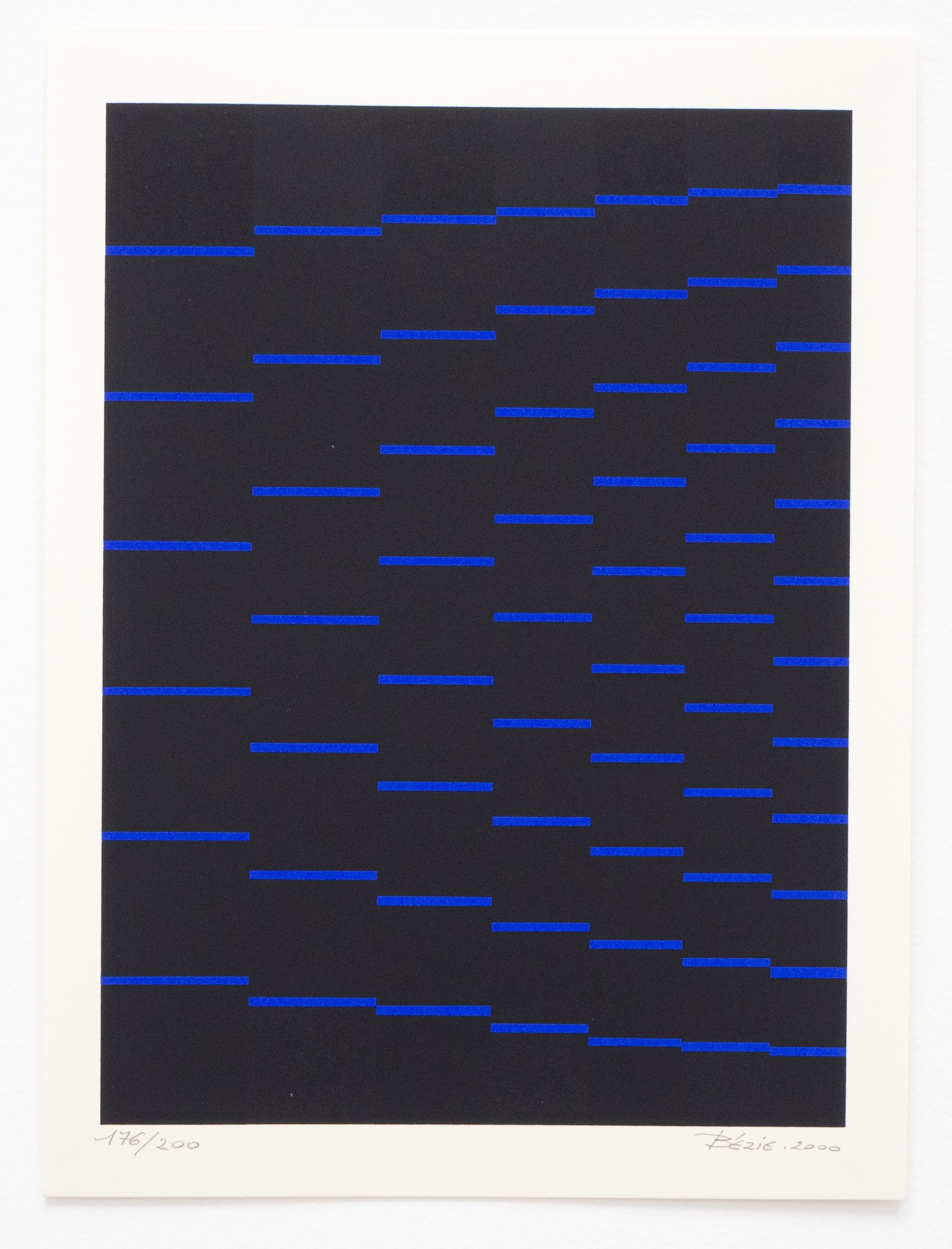
Bézie has an intuitive relationship with numbers; they speak to him of perfect human proportions, of constructions and painting. He interprets them, paying homage to them, painting sequences of numbers as others might paint landscapes. His pictorial exploration takes shape in compositions where the division of the canvas and the progressive layering of paints play a role, culminating in a subtle relief. The canvas's weave gradually disappears beneath the calculated thickness of the paint.
“I have been using straight lines since 1974—horizontal, vertical, and the two diagonals. Initially, I wanted to contrast my work with that of our great predecessors, Malevich and Mondrian, by attempting to ‘erase’ geometry with a network of fine lines; this is what I call my graphic period. Over the following years, my work went through several periods where the line thickened until it became a band, culminating in the symbol I called ‘Quadrille.’ In 1995, I abandoned oblique lines. Since then, my work has been an exploration of rhythms, derived from numbers: irregular rhythms with ‘Gradations,’ where the squares have their surface divided by lines, and regular rhythms with ‘Cadences,’ where the rows of squares are underlined only at the top and bottom. The year 2003 marked the beginning of the ‘Fibonacci Sequence.’”.
This 13th-century Italian mathematician is remembered for his series of progressive numbers, which are formed very simply by adding the two preceding digits or numbers, and also because the quotients between two adjacent numbers all approach 1.618, the famous "golden ratio." My current project is to continue working with numbers for as long as it brings meaning to my artistic approach
Charles Bézie, 2007
“Charles Bézie’s work is certainly not flashy; the keen interest it holds for us does not come from the colours, or the motifs, or any particular feature of the space, the composition… On the contrary, it is an austere journey, which cannot be dissected or fragmented, to accept one characteristic and reject another. Each of these works forms a perfectly homogeneous whole that refuses to reveal itself at first glance.” And if we agree to relinquish our own categories of understanding, our plastic principles, if we agree to create a void (which has nothing to do with intellectual or emotional poverty) and thus make ourselves available to the artist, then we will perceive a strange music, a melody which, through its simplicity and its multiple variations, will take us to other shores, to other, less superficial sensations, to horizons freed from the base contingencies of daily life, where Plato would practice Zen meditation, in a way, to the grand rhythm of the passing world and the geometry that endures
Bernard Fauchille, 2008 – Excerpts from Charles Bézie and interior painting.
Works in museums and public collections
Museum of Fine Arts, Nantes
Museum of Fine Arts, Cholet
Ursuline Museum, Mâcon
Museum im Kulturspeichern, Wuerzburg, Germany
Arithmeum, Bonn, Germany
Museum Ritter, Waldenbuch
Selection of the main exhibitions
2006/2007 Pontoise Museum
2007 Museum Ritter, Waldenbuch, Germany
2008 Harbour Master's Office of La Grande Motte
2009 Château Museum, Montbéliard
2010 Sens Museum
Selection of works available in the shop
Selection of prints available in the shop




Price on request
Acrylic on canvas
100 x 86 cm
Free collection at the Gallery or delivery upon request (quote available).
←Charles Bézie | ←Original Works | ←Store