
Art Basel
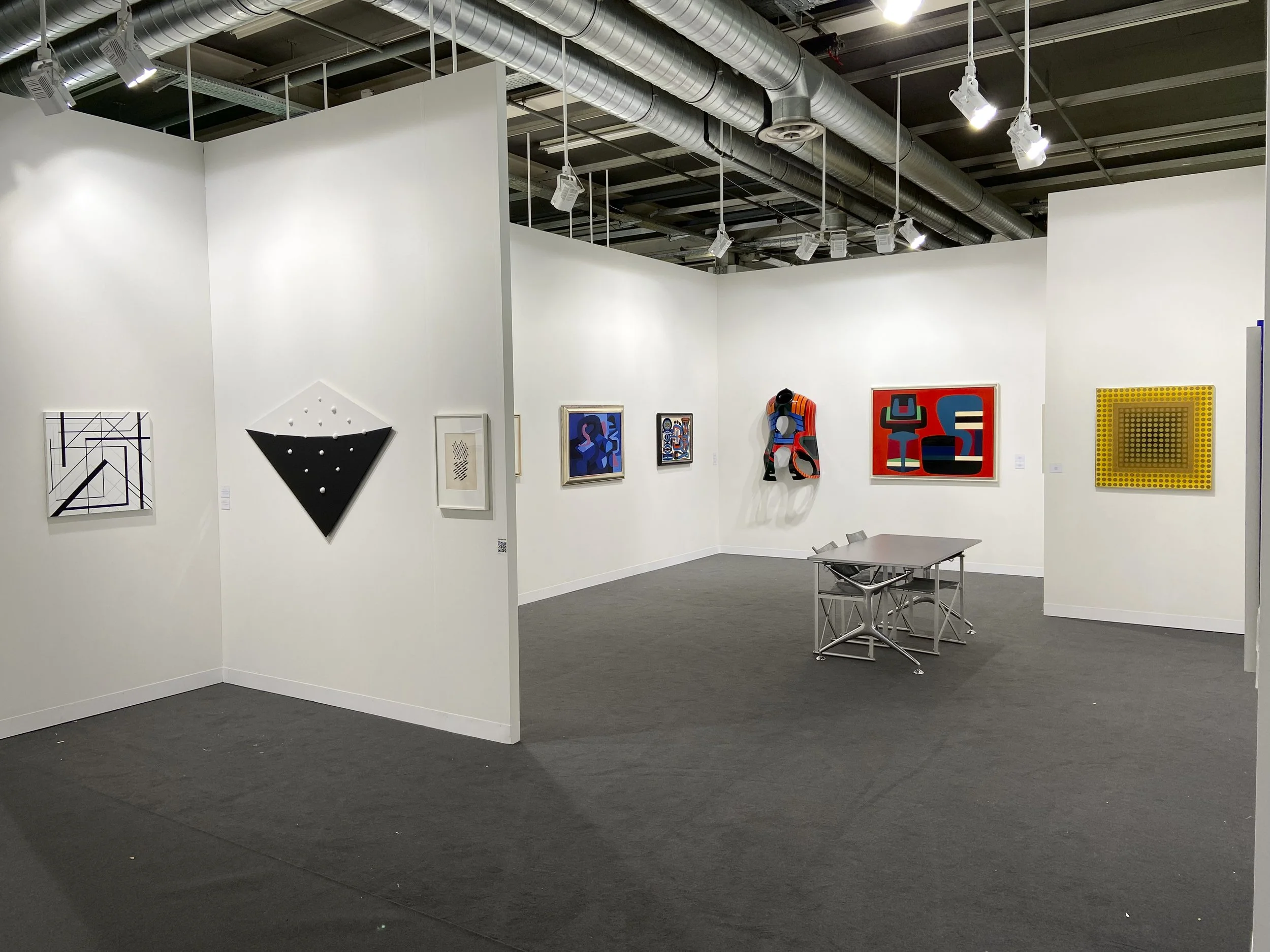
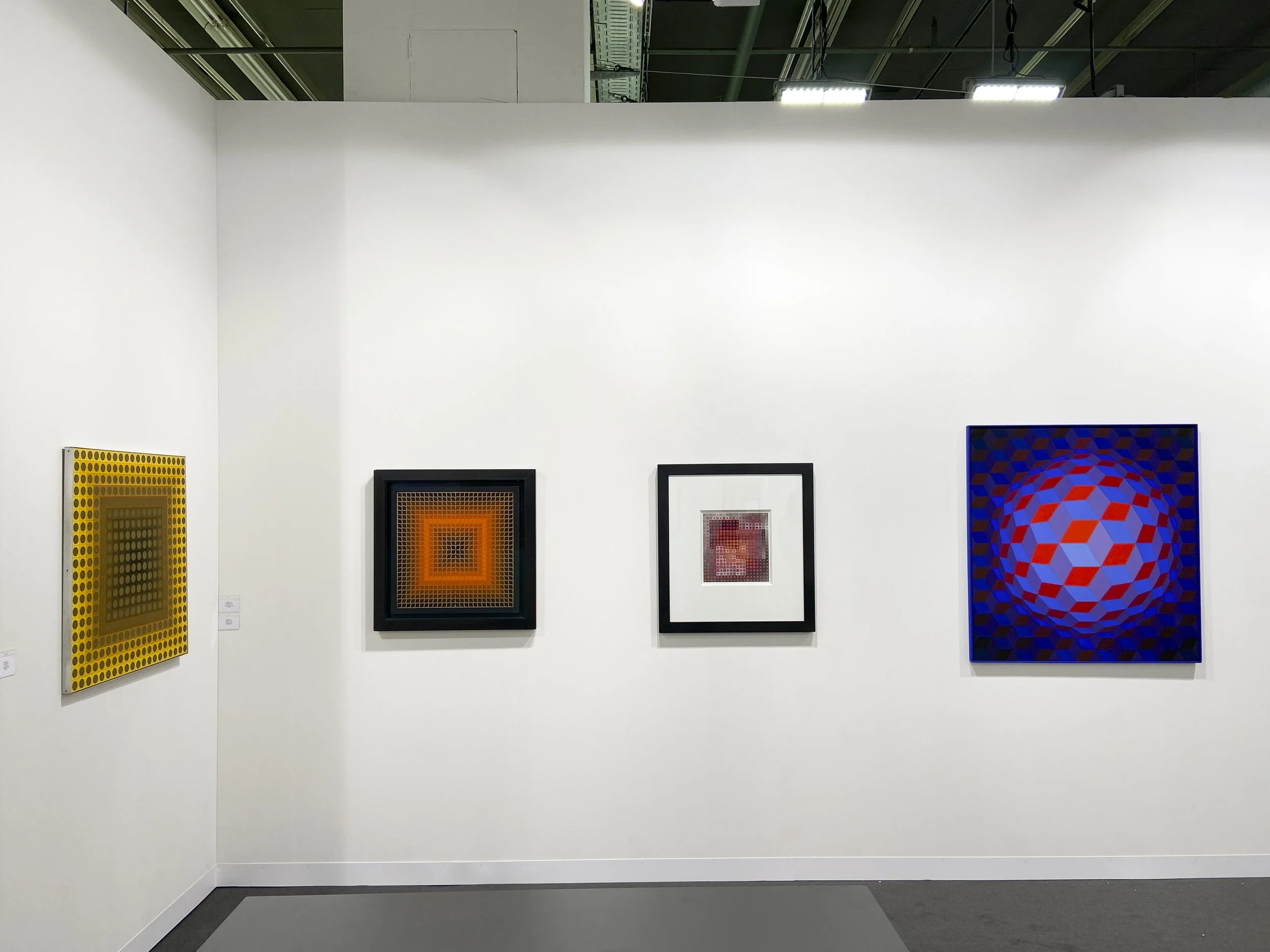
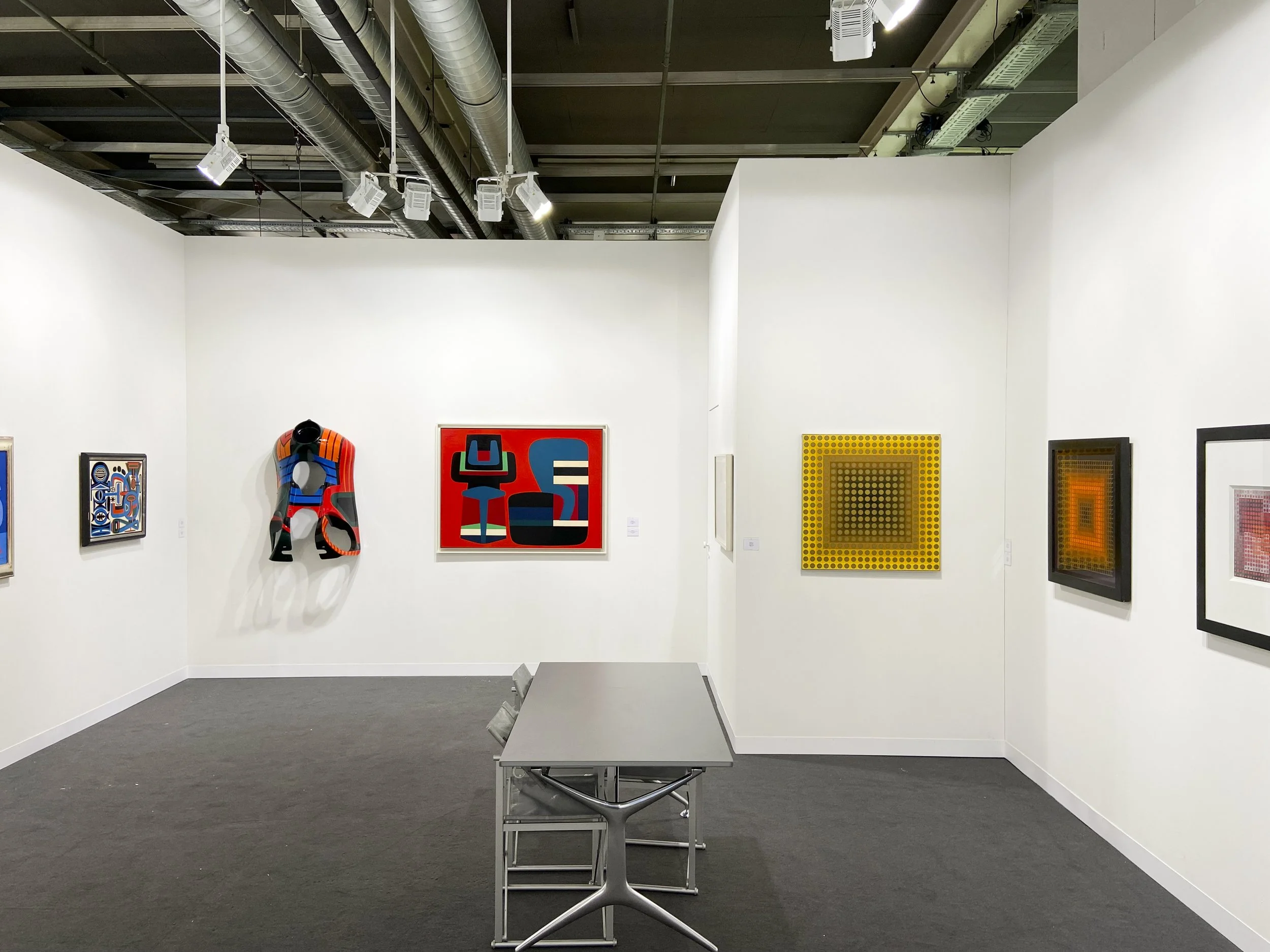
Auguste Herbin, Victor Vasarely, Jean Dewasne, Jean-François Dubreuil, Hans-Jörg Glattfelder
From September 23 to 26, 2021
What a joy to finally see you again in Basel, a fair in which we have participated for 50 years without interruption. We thank you for your loyalty and hope that despite these difficult months, the pleasure of seeing each other and talking about art will remain a joyful moment to share.
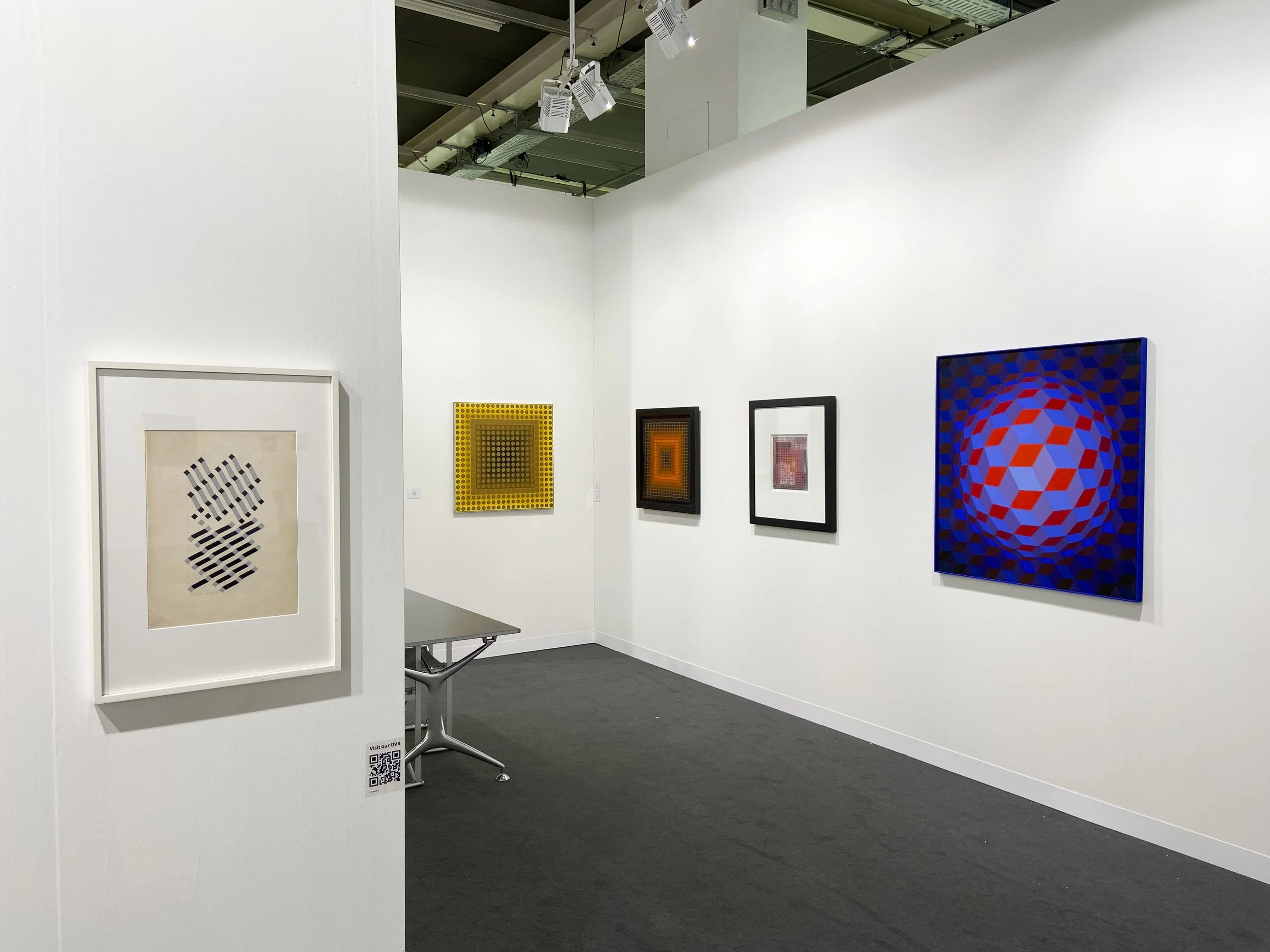
This year we will present the works of Auguste Herbin (1882-1960), Victor Vasarely (1906-1997), Jean Dewasne (1921-1999) and for the contemporary part we will notably offer works by Jean-François Dubreuil and Hans-Jörg Glattfelder.
These leading artists of the gallery, mostly collected by Anne and Jean-Claude Lahumière, represent a significant portion of the collection. To celebrate this 50th participation, it seemed fitting to present a selection of works by each of them.
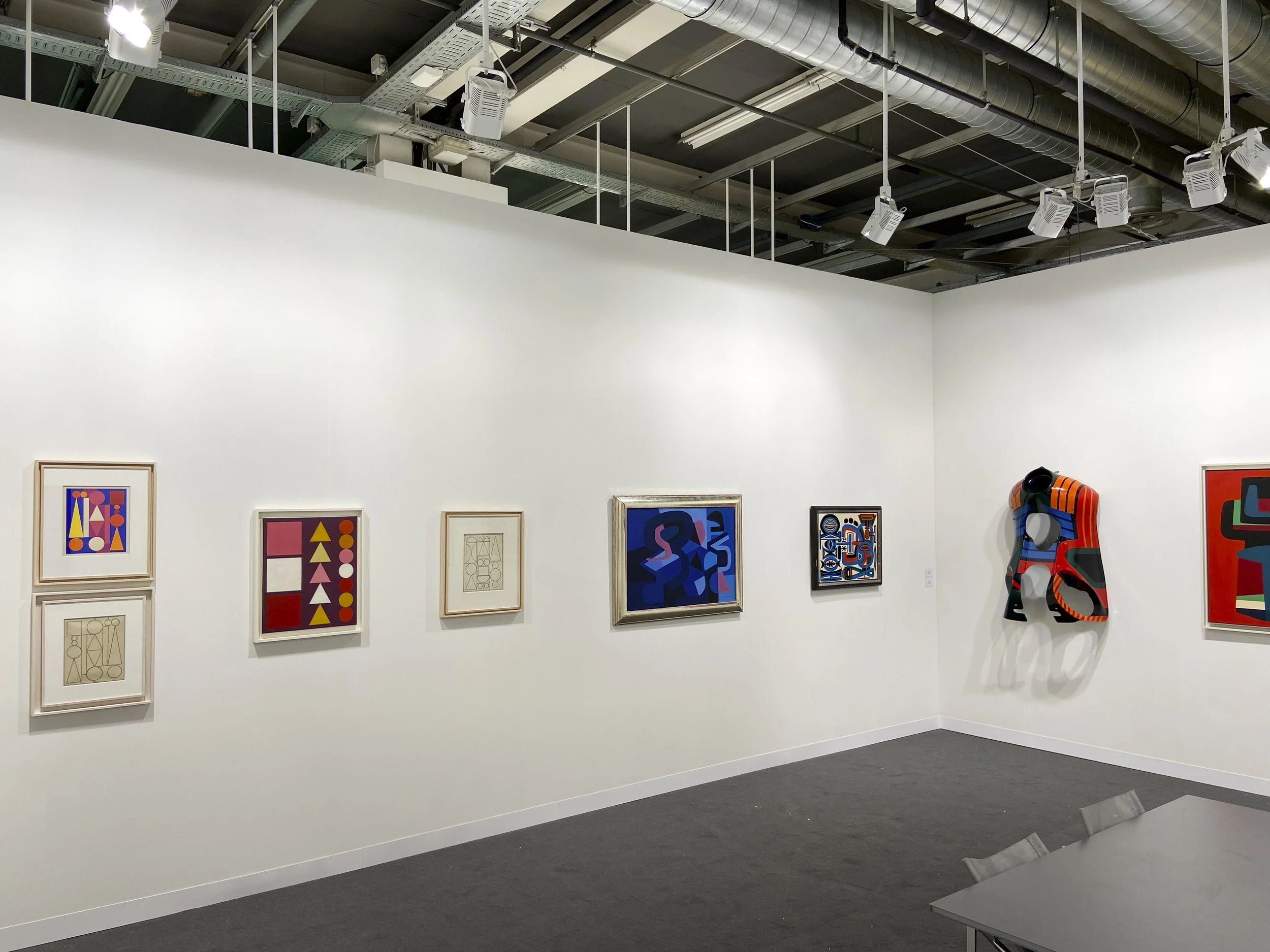
More specifically, we will be presenting a variation on the days of the week by Auguste Herbin, from the preparatory drawing through the gouache to the finished canvas. Herbin developed a visual alphabet that captivated many artists of the following generation, notably Victor Vasarely, who was greatly inspired when creating his own alphabet, which he called "plastic units." We will also have several works from this period on display.
In 1950s Paris, Auguste Herbin was what we might call today the number one influencer, thanks to his very frank, even daring, approach to color and the system he developed through his visual alphabet, which correlated letters with pure geometric forms, colors, and musical notes. All the European artists of that period had heard of him; Jean Tinguely dedicated a sculpture to him, which he named 'Meta-Herbin'. Aurélie Nemours created a work in his honor, a scattering of geometric shapes on a black background. Olle Baertling visited him and expressed his admiration, as did Joe Delahaut in Belgium.
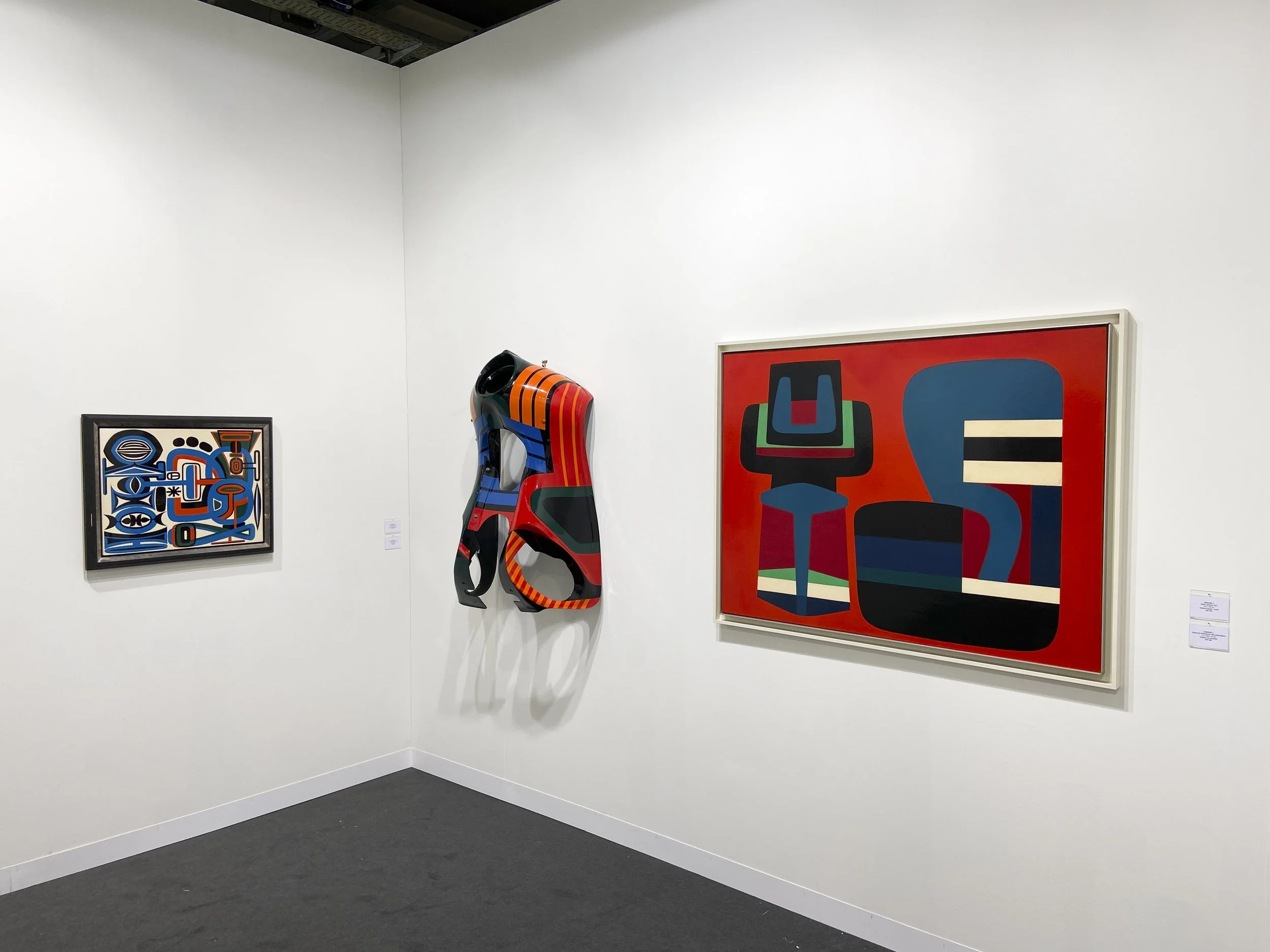
Jean Dewasne was, of course, also familiar with Herbin's work, which he admired. He was the artist who influenced Anne and Jean-Claude Lahumière's choice of geometric abstraction. They knew him when they were starting out in the profession. Initially publishers, they produced his first editions of screen prints. At the first Basel fair, they presented these editions, which were noticed by Harald Szeemann. He represented France at the Venice Biennale in 1968.
He also devoted himself to architecture, and his last major "Antisculpture," as he himself called it (this is what he called his painted fairings), was the interior panels spanning the entire height of the Grande Arche de la Défense in Paris.
Let's not forget the visit of Renzo Piano and Richard Rodgers to his studio, which changed their minds about the color scheme for the Centre Pompidou in Paris. Thanks to Dewasne (the blue Dewasne), the Centre has donned a colorful outfit, otherwise it would have remained grey!