

New Realities,
Universal Realities
Olle Baertling, Félix Del Marle, Jean Dewasne, Georges Folmer, Jean Gorin, Auguste Herbin, Robert Jacobsen, Jean Leppien, Alberto Magnelli, Edgar Pillet and Victor Vasarely
From March 8 to May 10, 2025
Text by Serge Lemoine
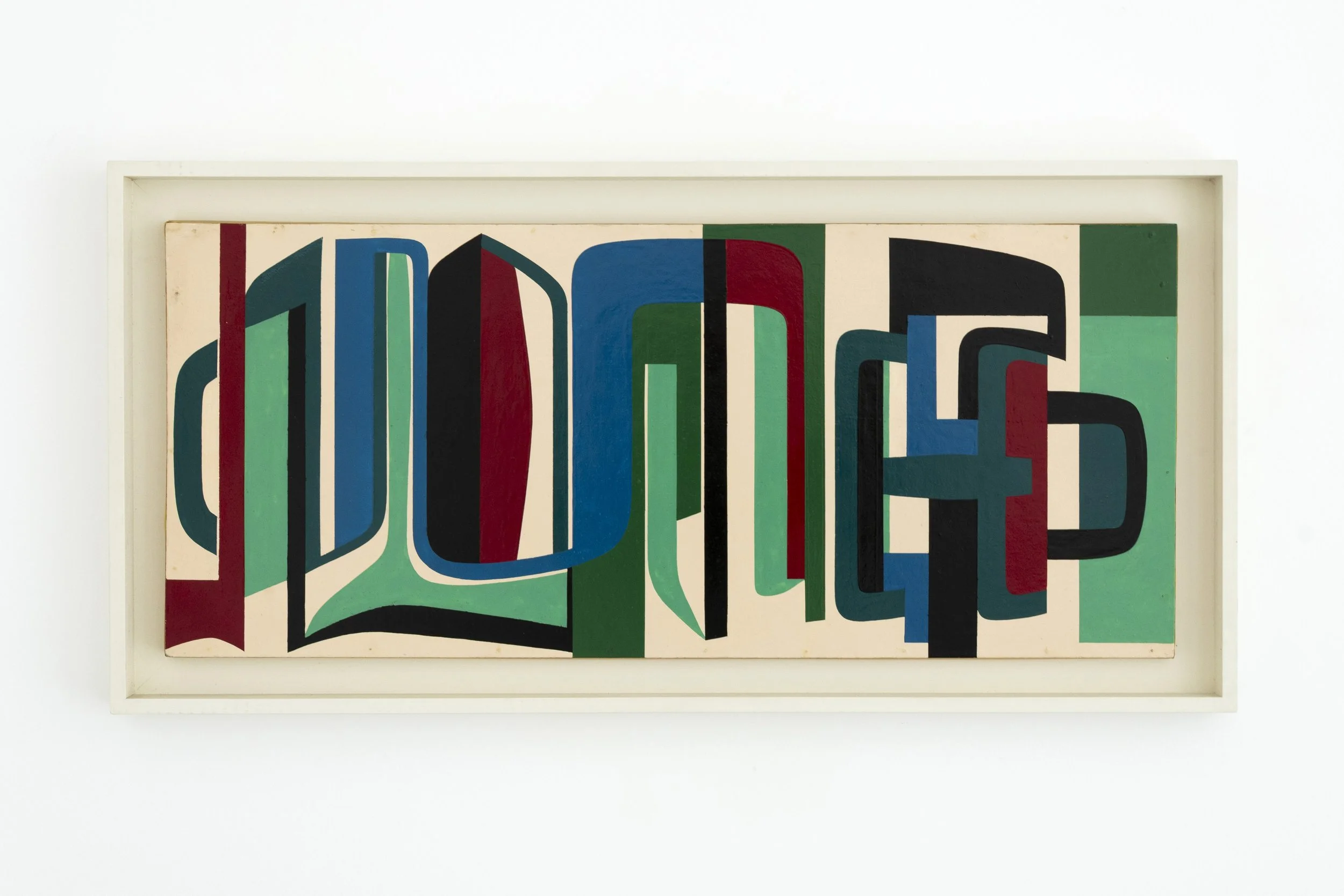
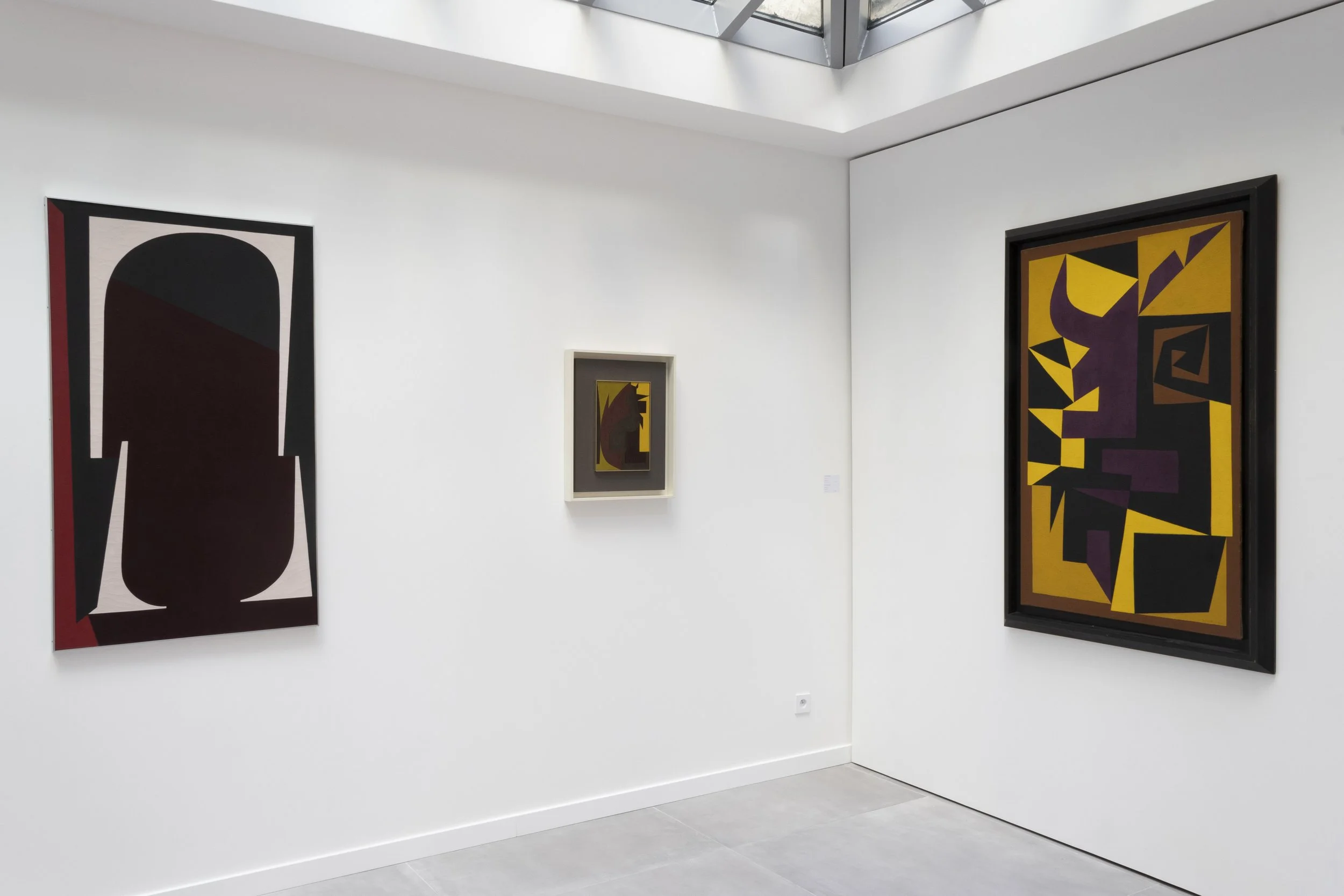
As soon as Paris was liberated, artistic activity flourished once again: it blossomed in galleries and salons where artists of all generations, geographical origins, and styles flocked to the French capital. Among them, the Salon des Réalités Nouvelles, founded in 1946, held a unique position and played a major role, dedicating itself exclusively to the currents of geometric abstraction, which were experiencing a period of rapid growth and renewal, with Herbin as its leading figure.
The Salon des Réalités nouvelles welcomed all the new and experimental trends that were emerging at the time, from Zurich's concrete art, strong in its principles, to the Argentine Madí movement, rich in all its fantasies.
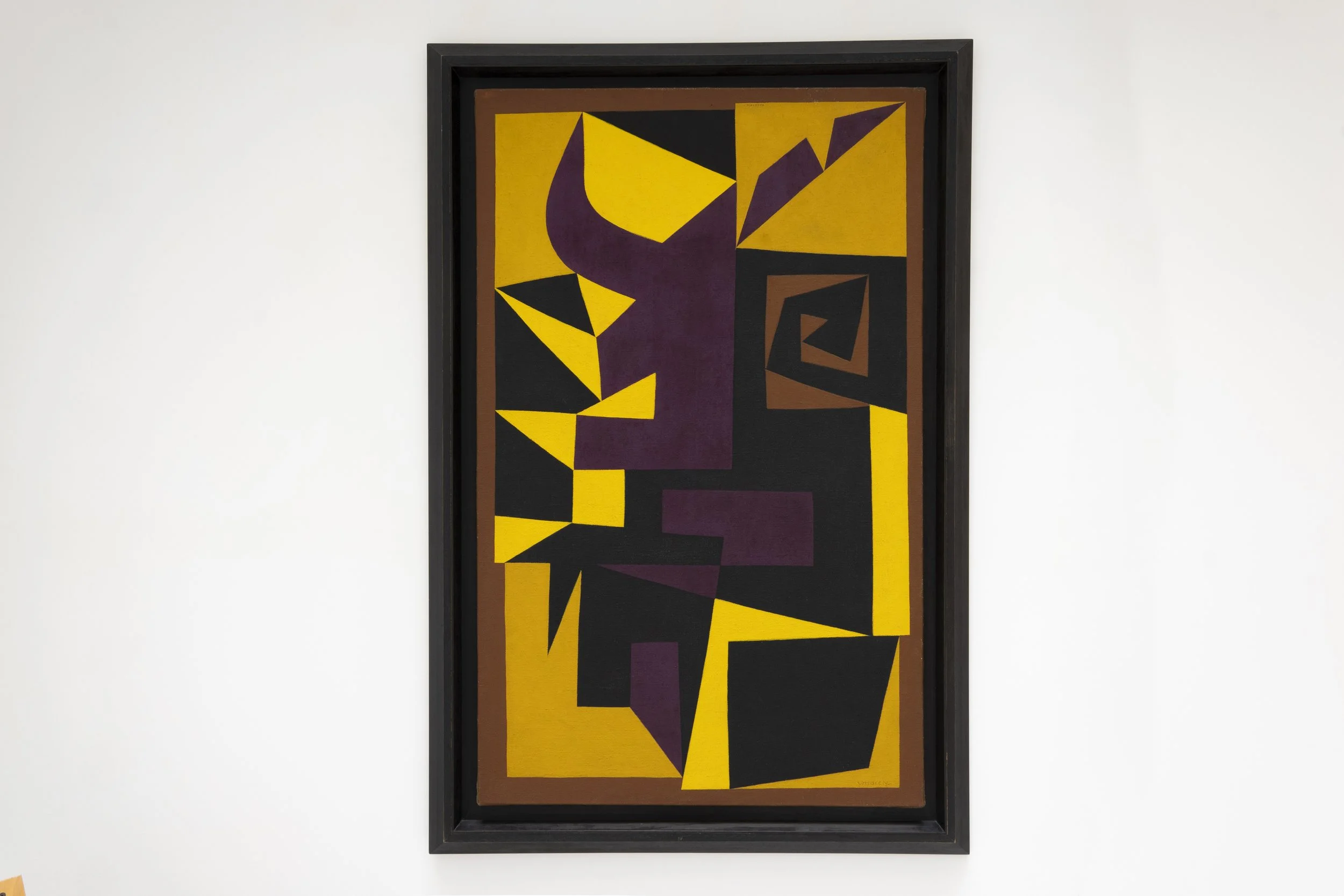
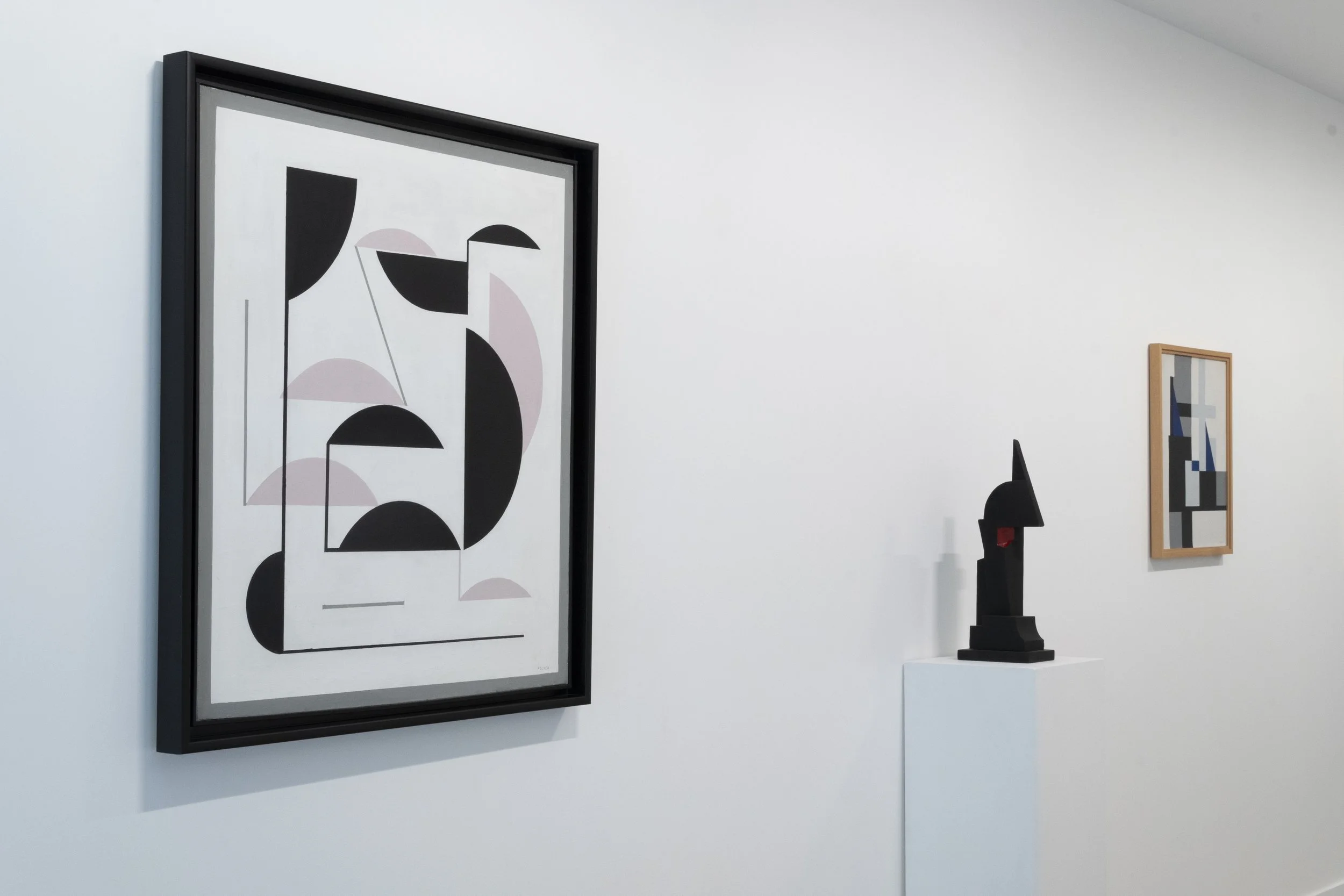
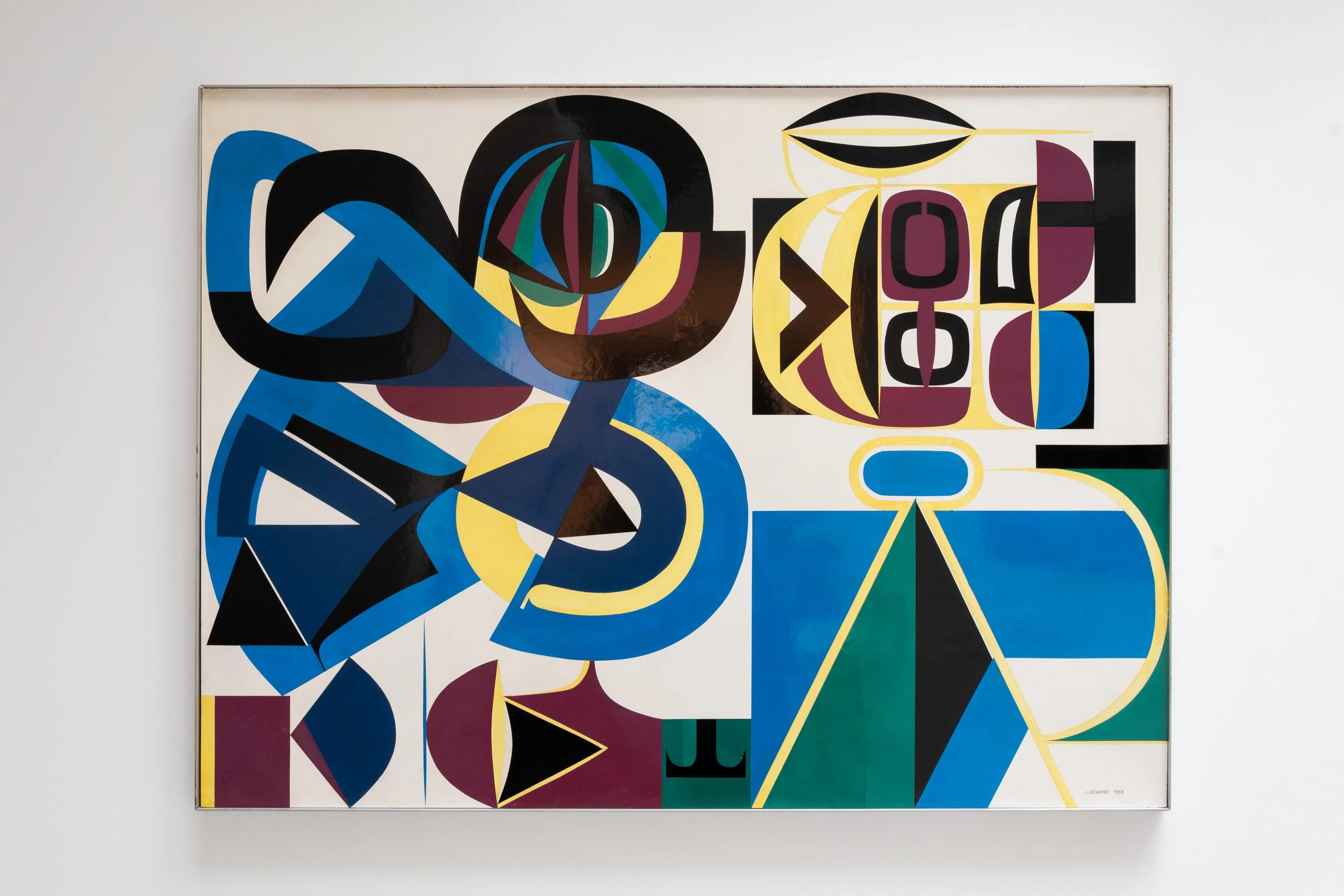
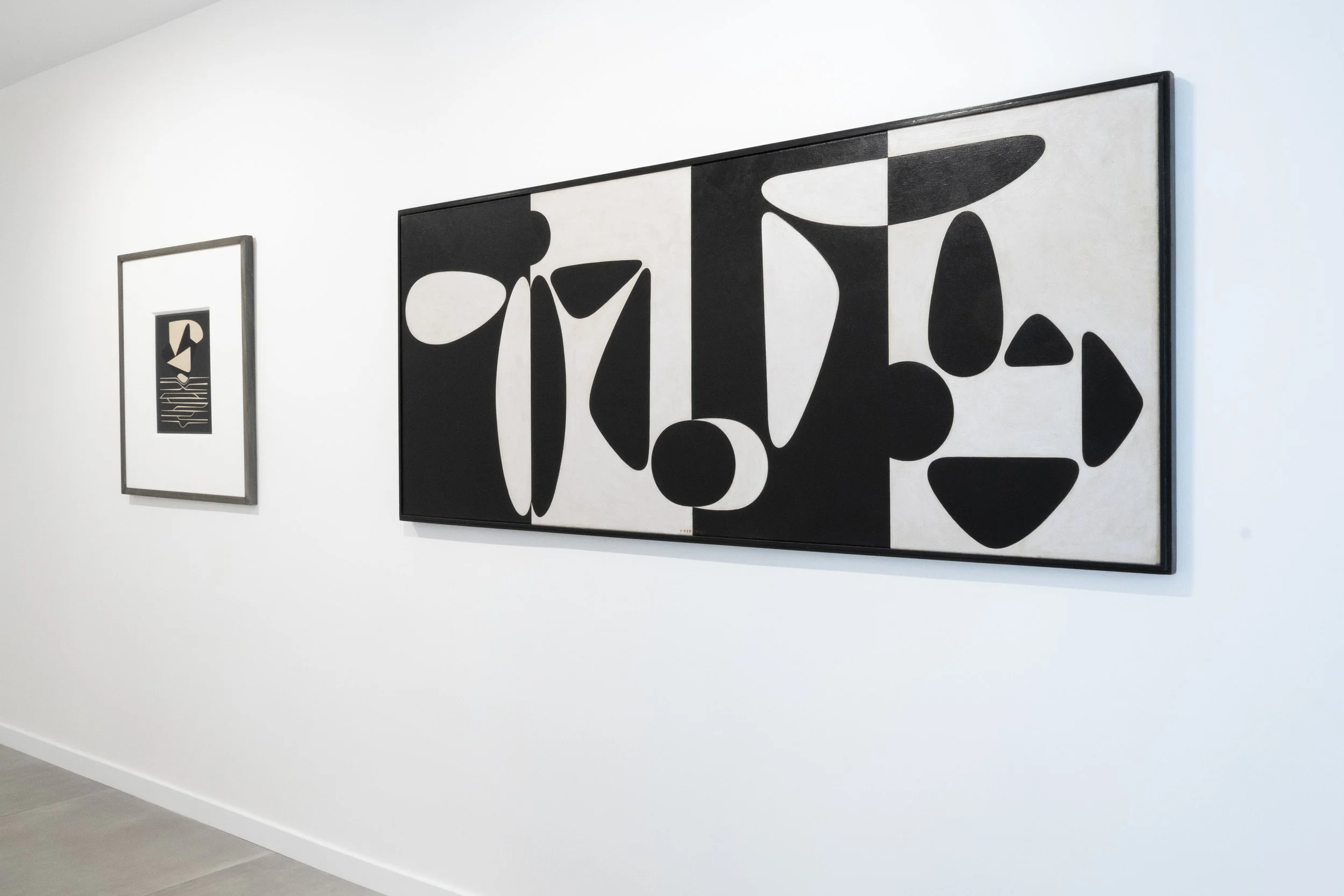
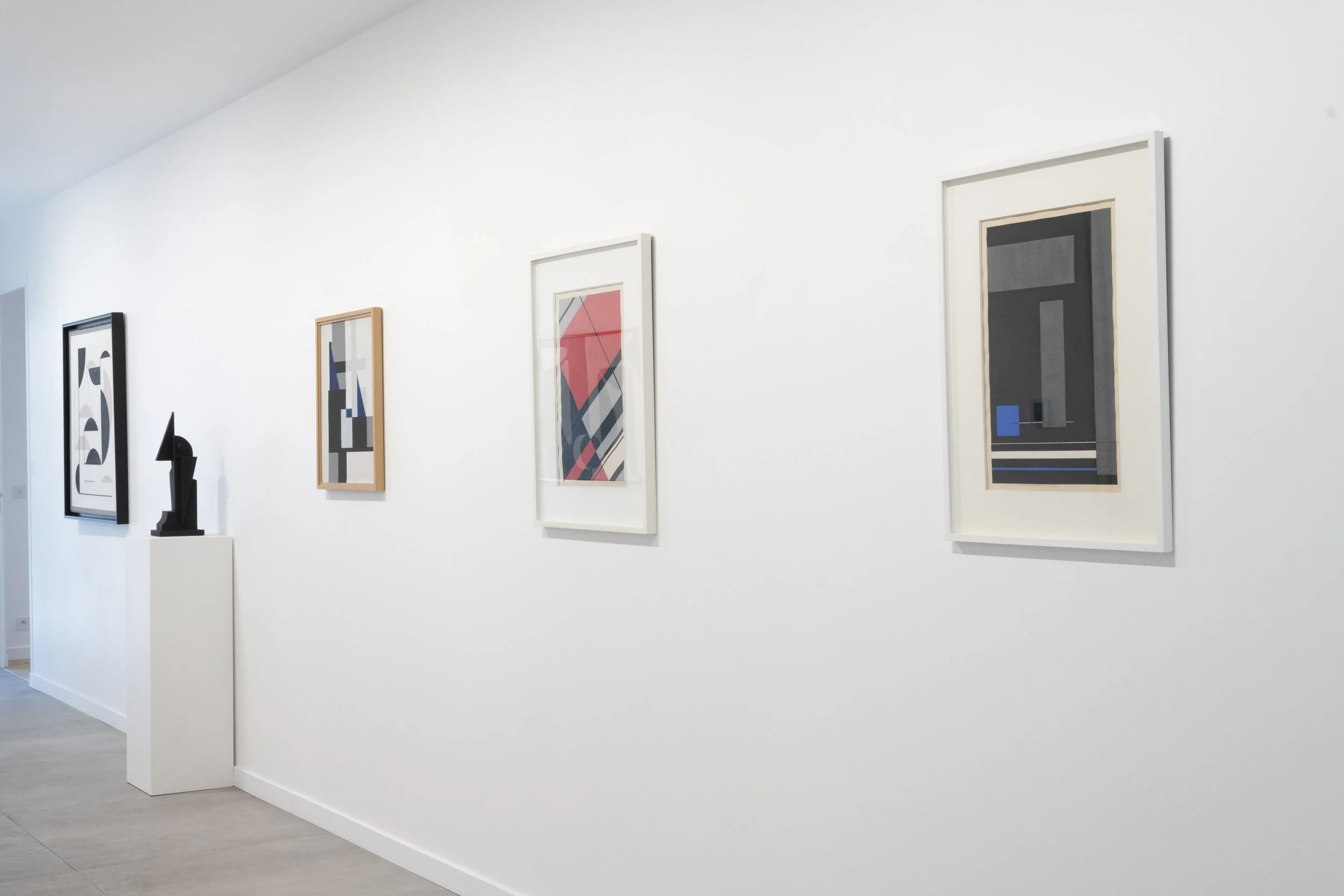
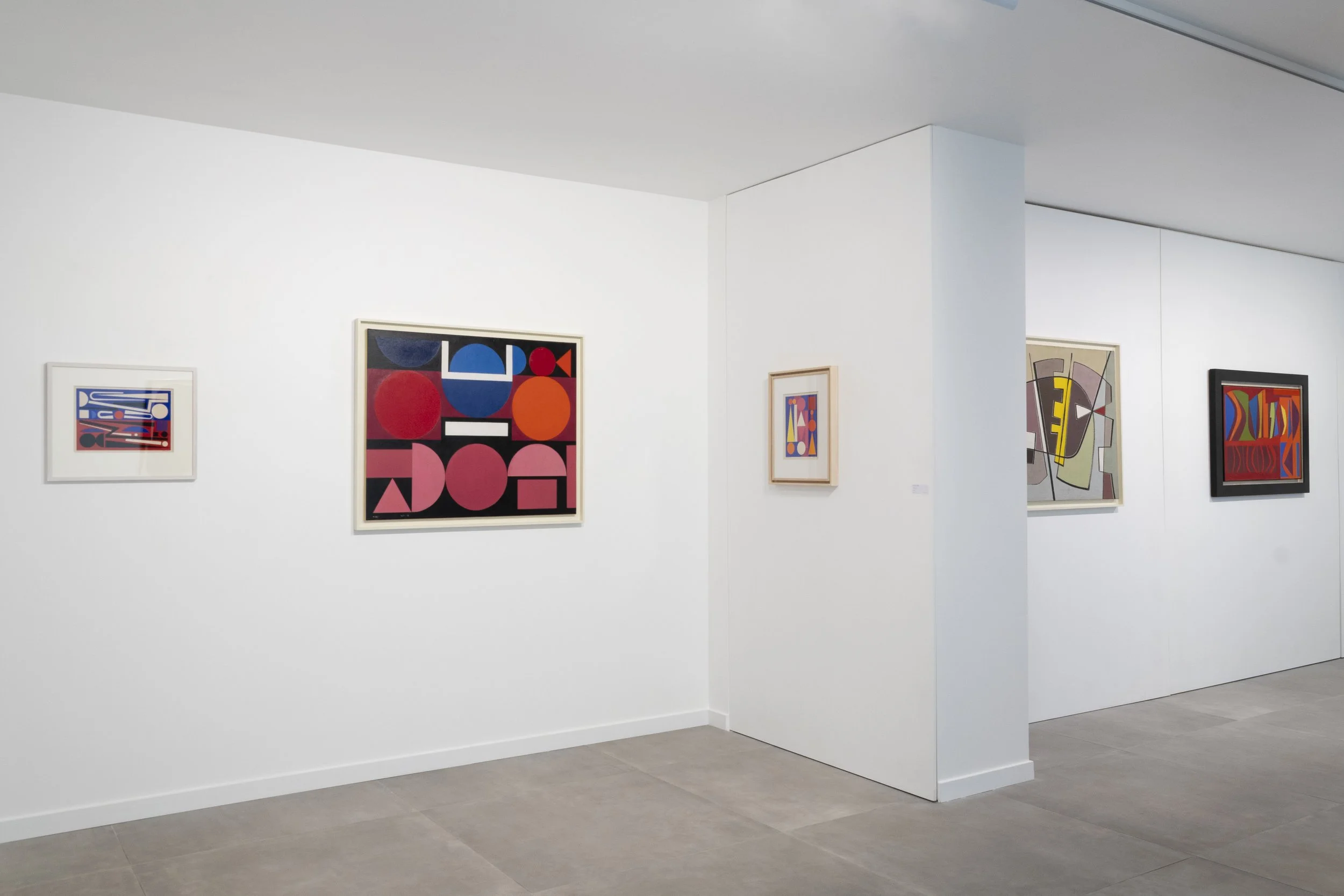
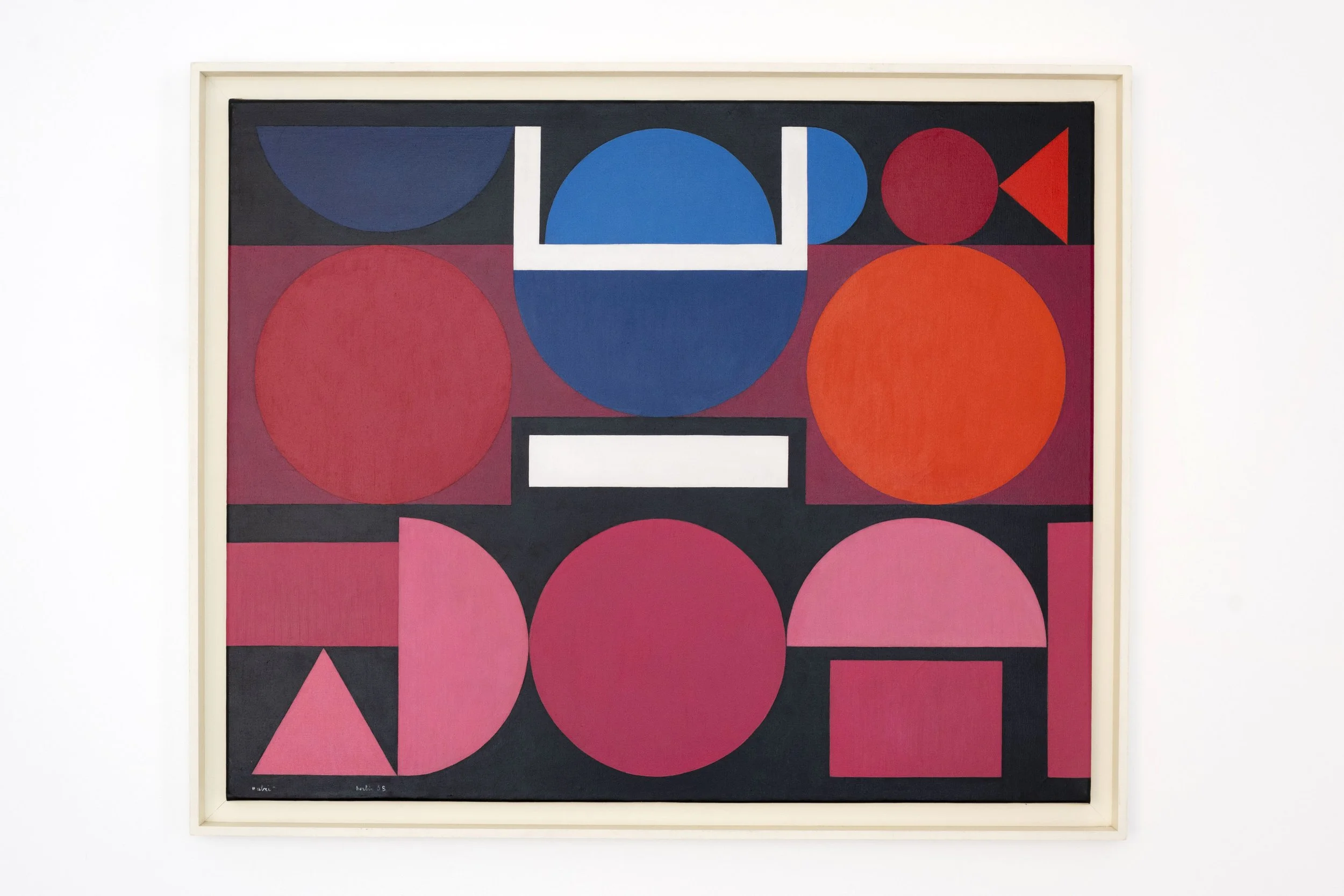
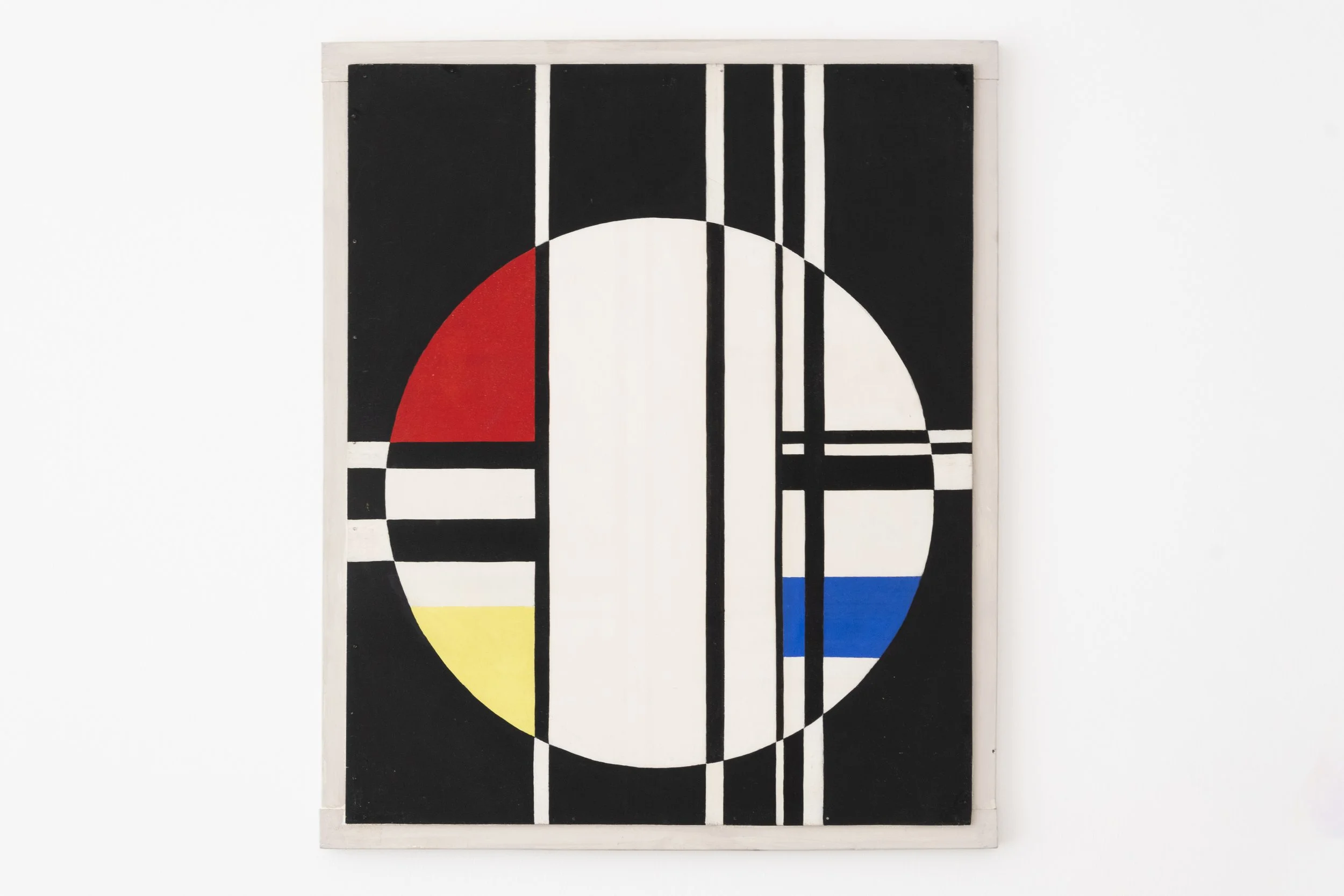
This exhibition showcases 11 artists from different generations and backgrounds: Auguste Herbin, who came from Fauvism, a pioneer of Cubism, and a friend of Picasso at the Bateau-Lavoir; Alberto Magnelli and Félix Del Marle, active before 1914 and close to Futurism; Jean Gorin, the first French disciple of Mondrian and one of the first painters to turn to relief; Jean Leppien, who was a student of Kandinsky at the Bauhaus; and Georges Folmer, a Cubist from the interwar period who became an abstract painter.
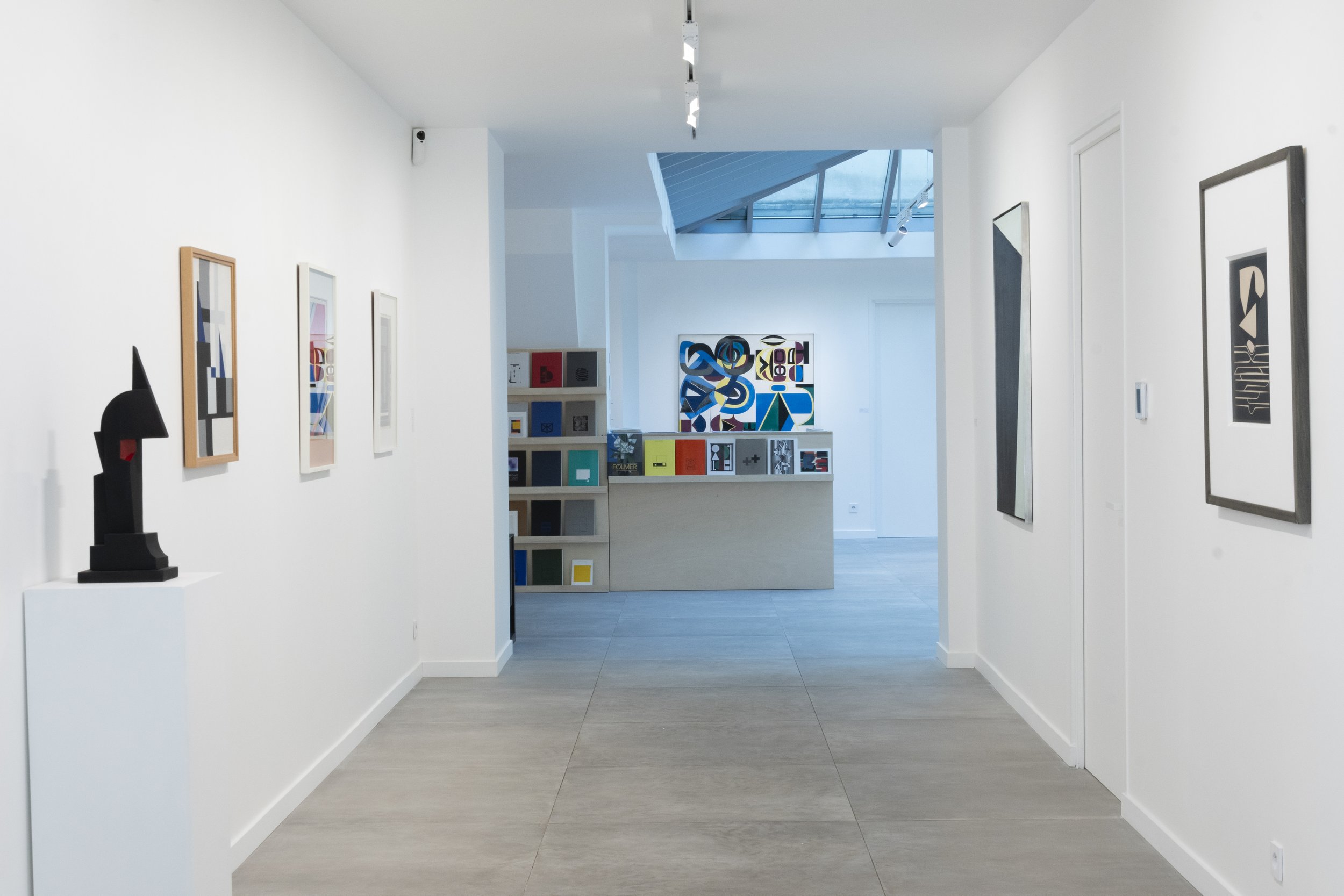
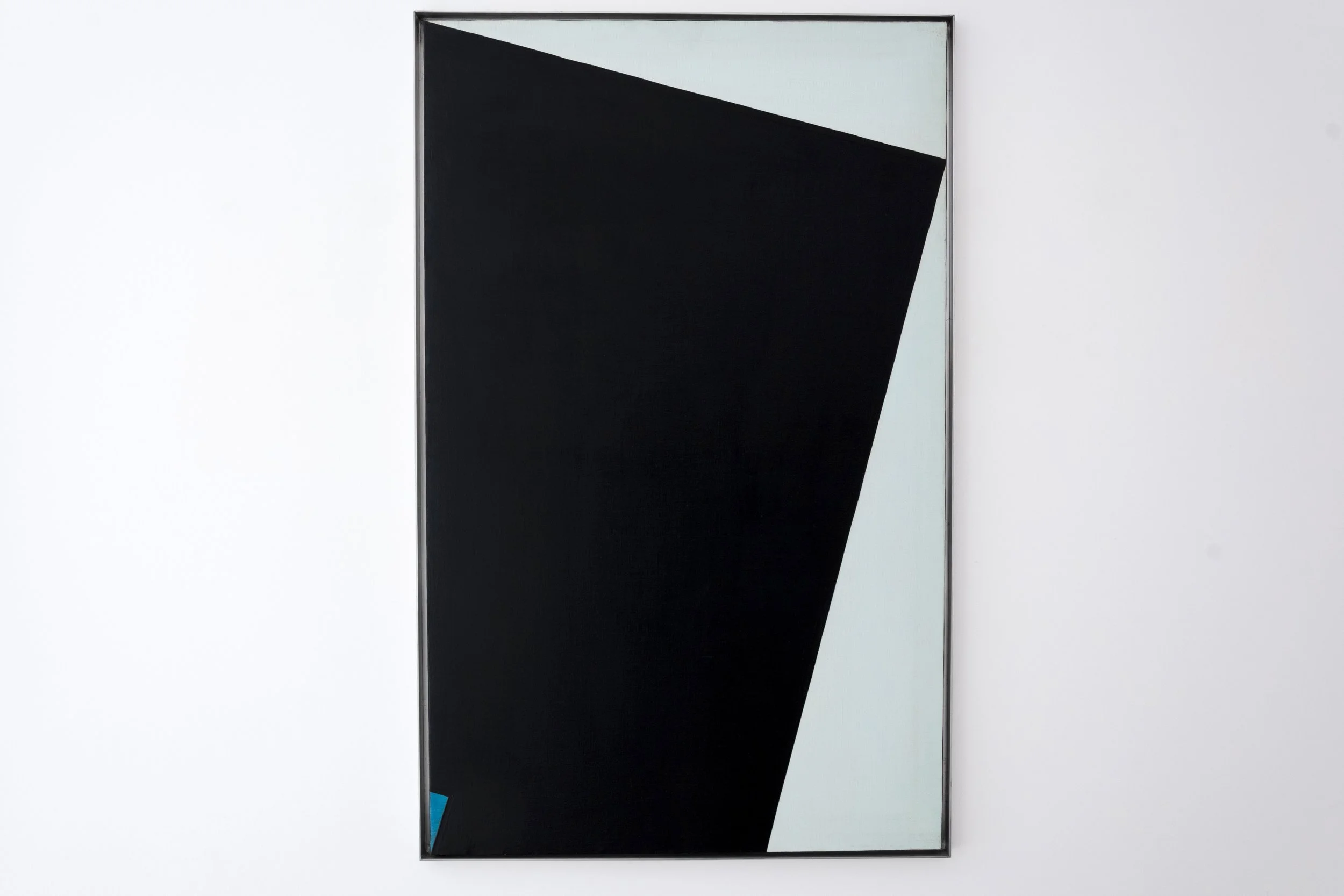
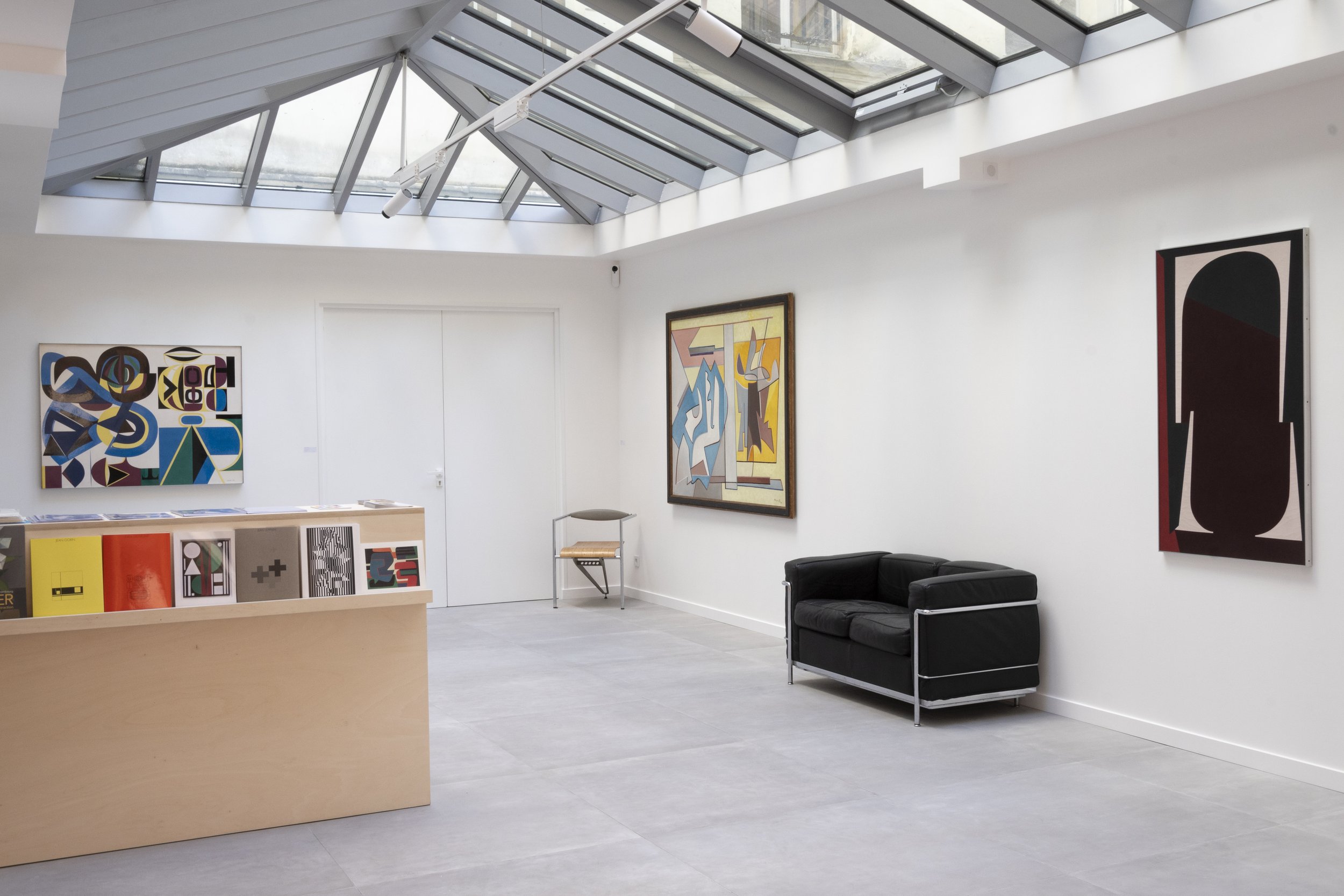
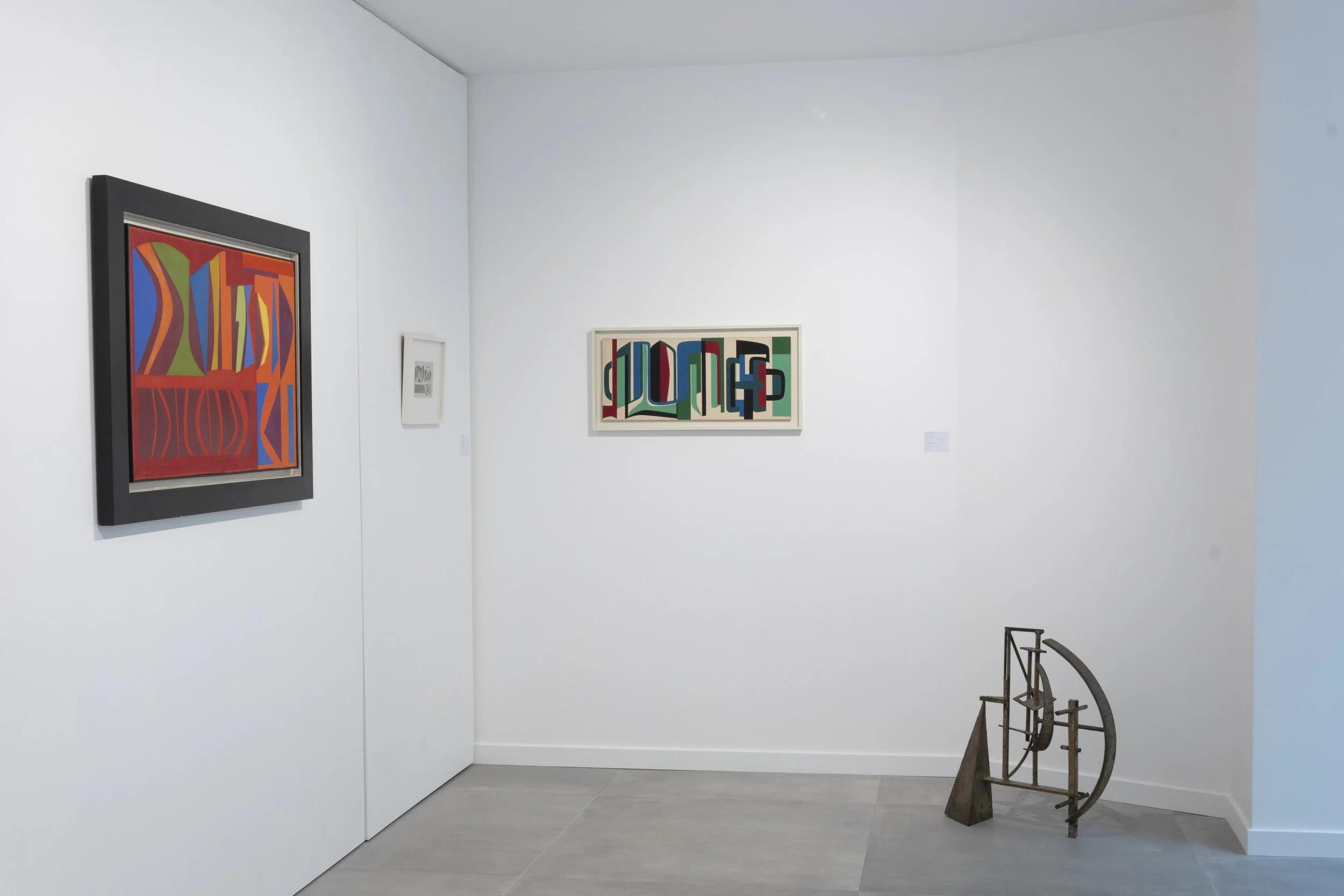
Joining this first group were five artists belonging to the new generation, those who began their work after the Liberation and who would be particularly influenced by the art of Auguste Herbin: two Frenchmen, Jean Dewasne and Edgar Pillet; a Swede, Olle Baertling; a Dane, the sculptor Robert Jacobsen; and a Hungarian painter, Victor Vasarely, a student at Mühely, the Bauhaus in Budapest, who had settled in France as a graphic designer and advertising artist and who would become the leading figure of the group. Each artist is thus represented by a work characteristic of their production from the 1950s, which demonstrates great variety and reveals not a single style, but rather a shared vision of new realities.
Serge Lemoine, 2025