

Resonances
Sophie Coroller and Ode Bertrand
From January 11 to March 1, 2025
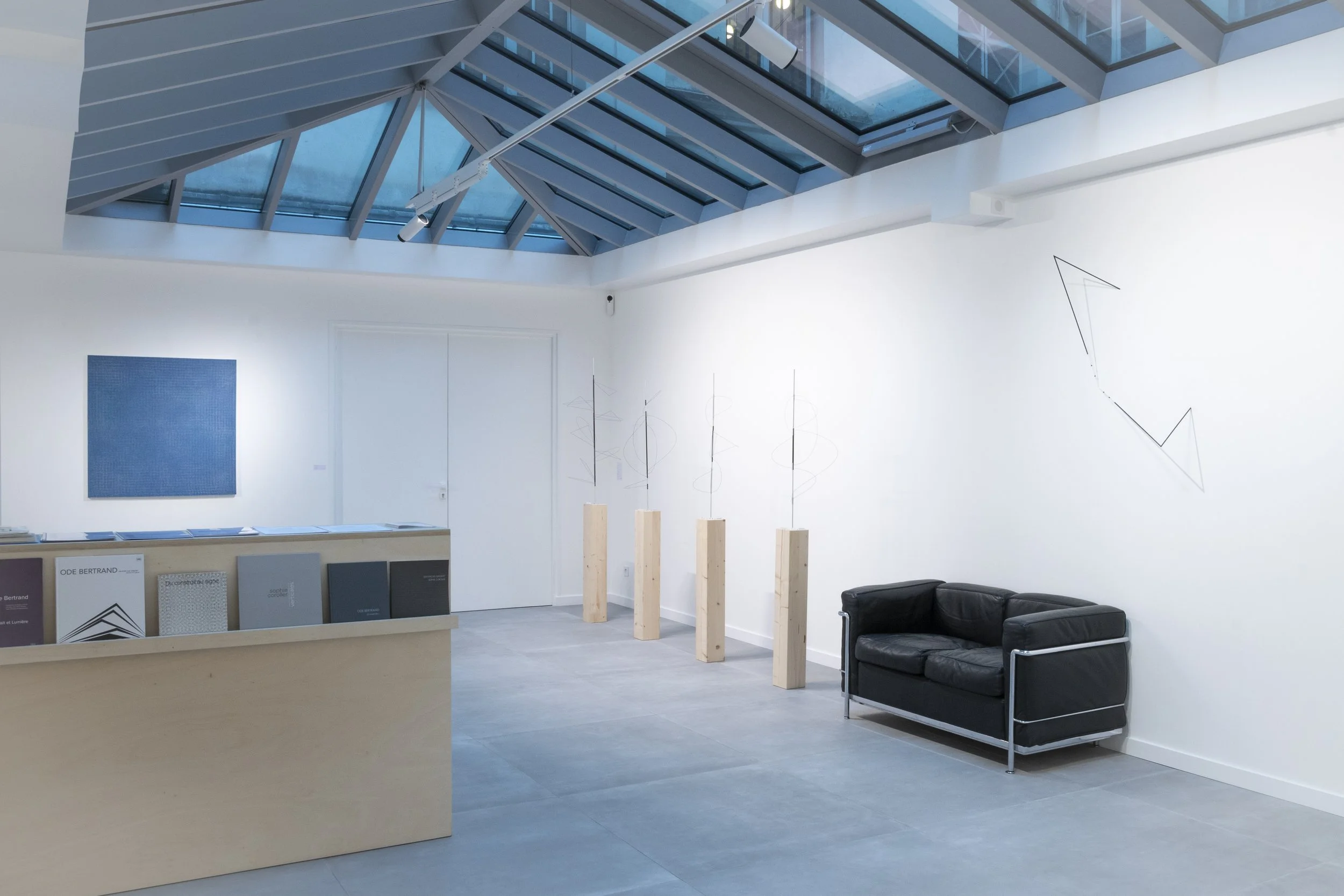
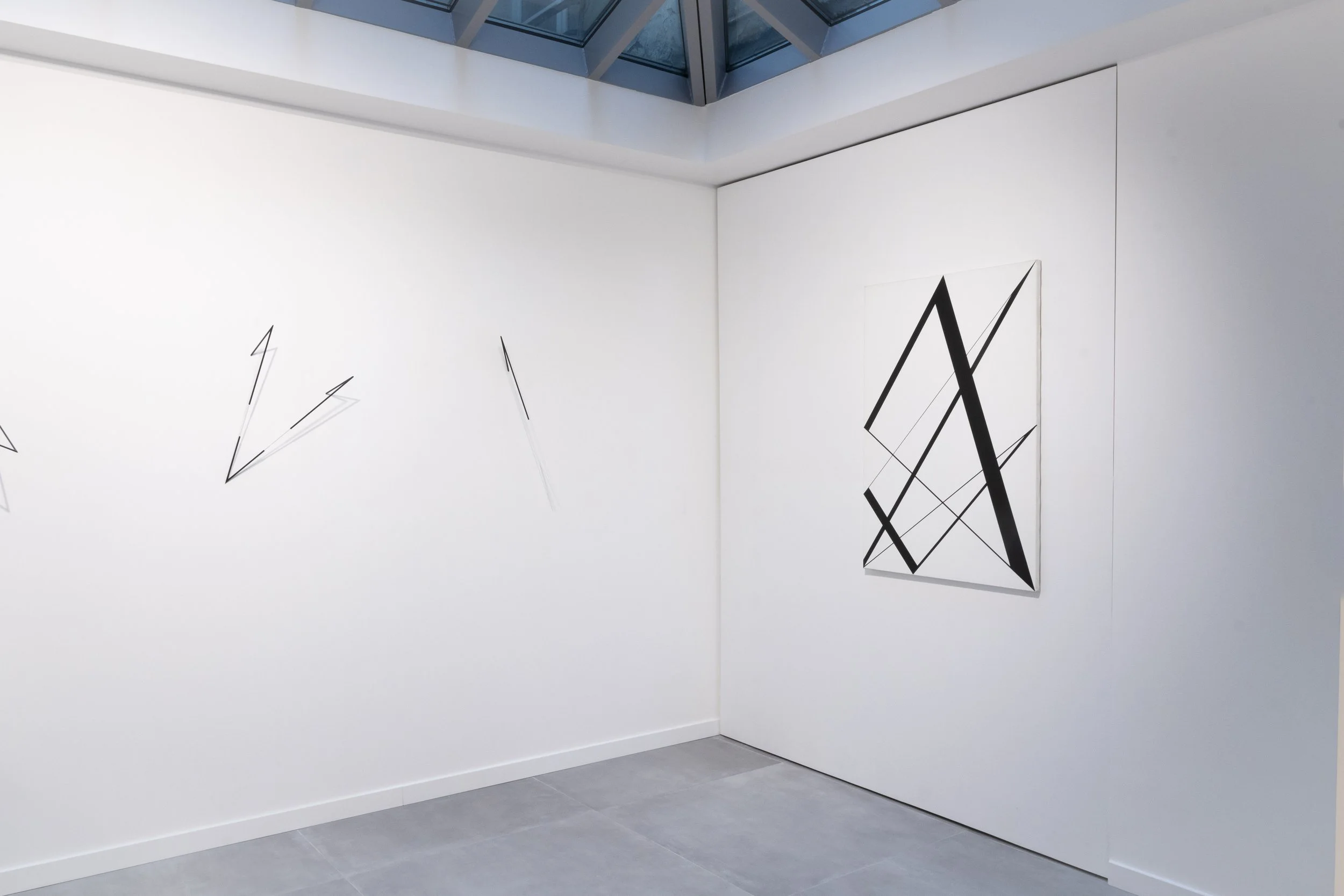
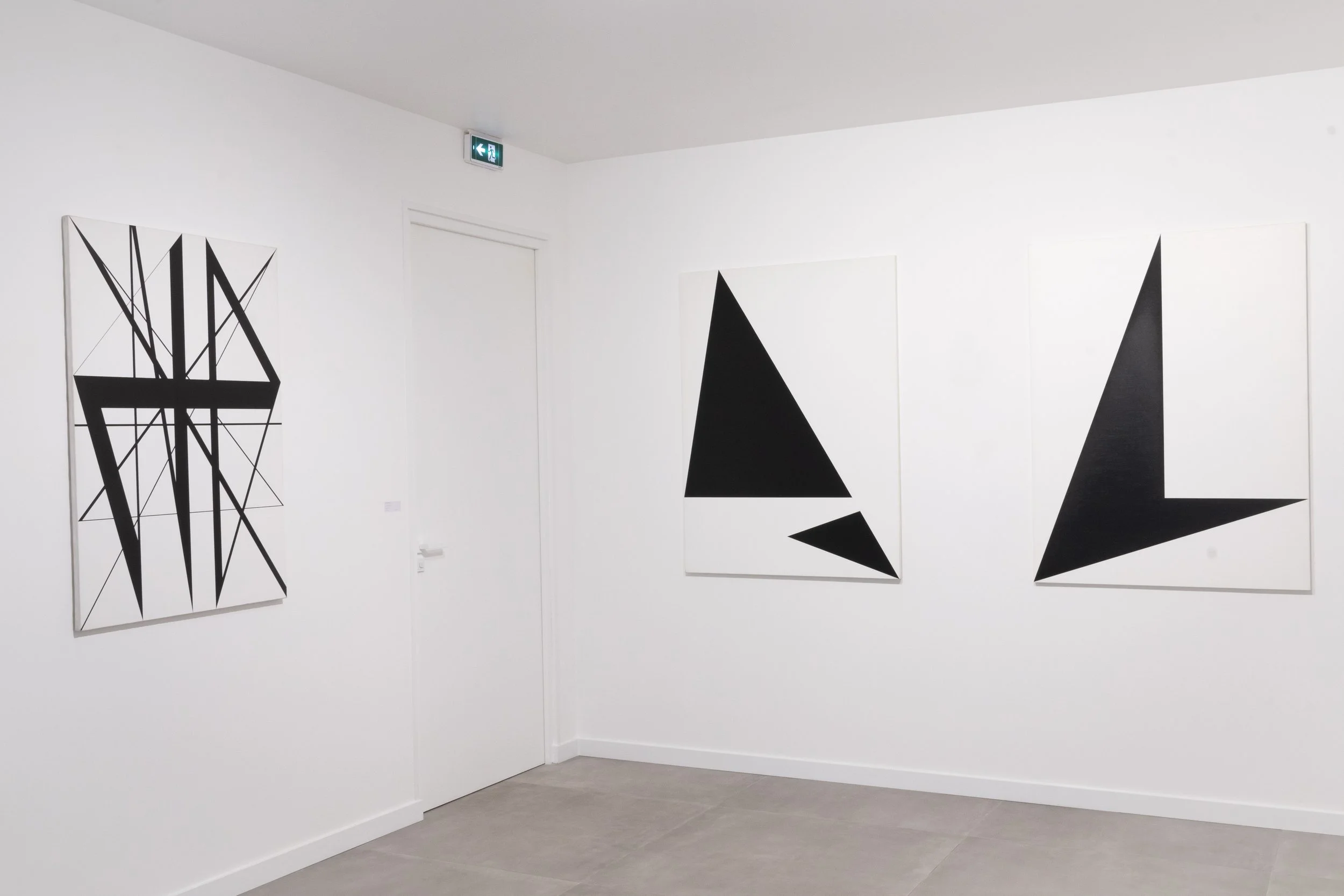
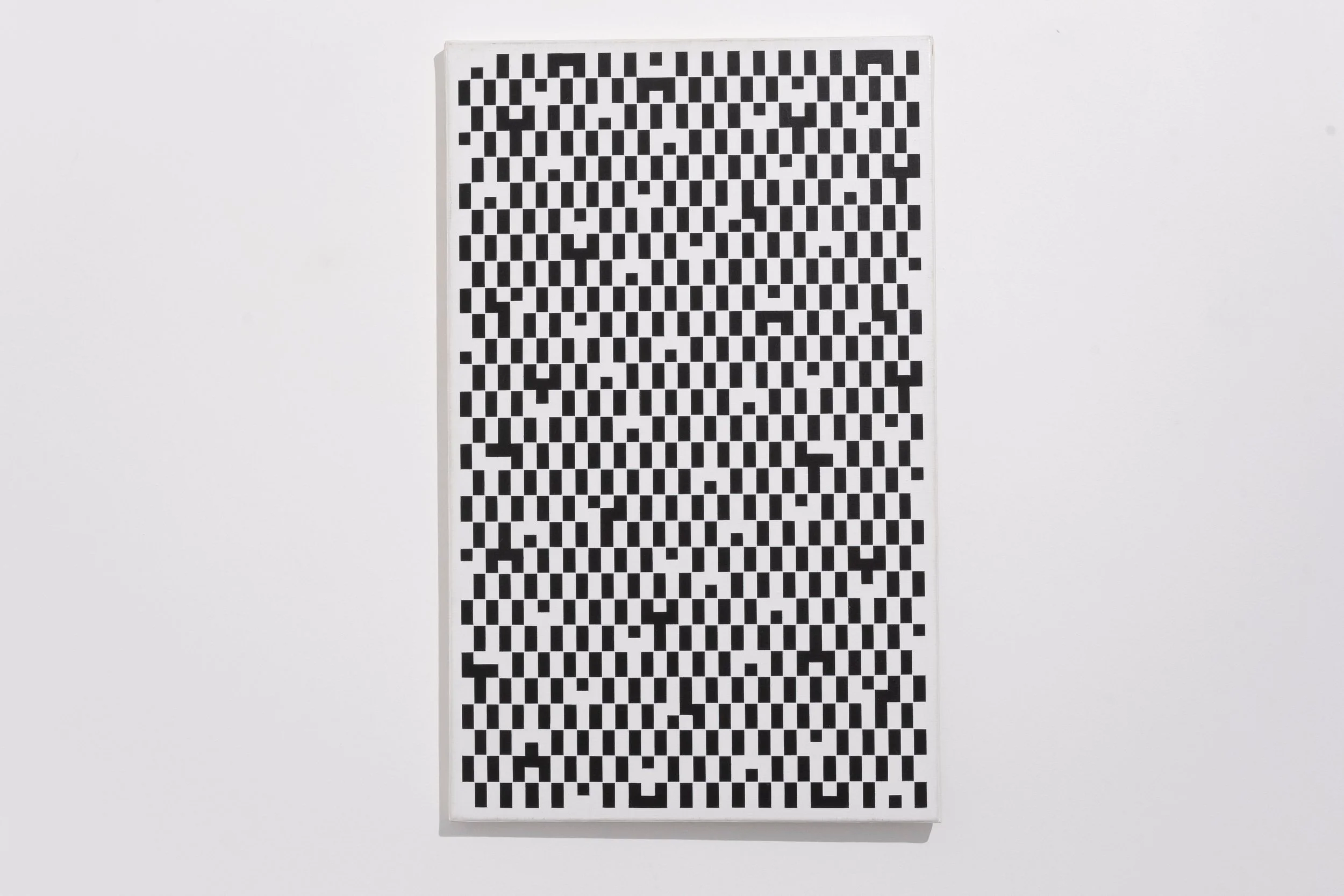
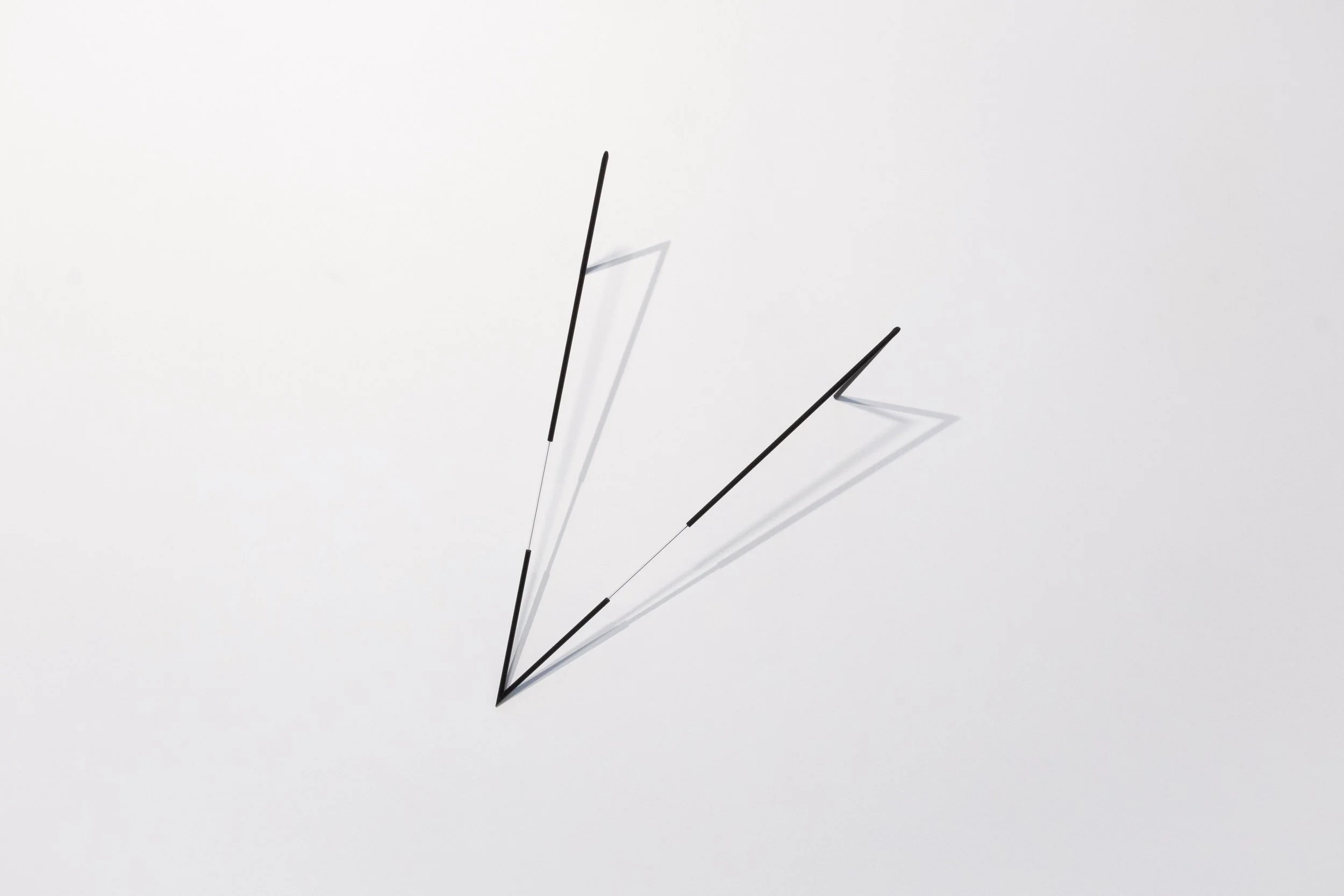
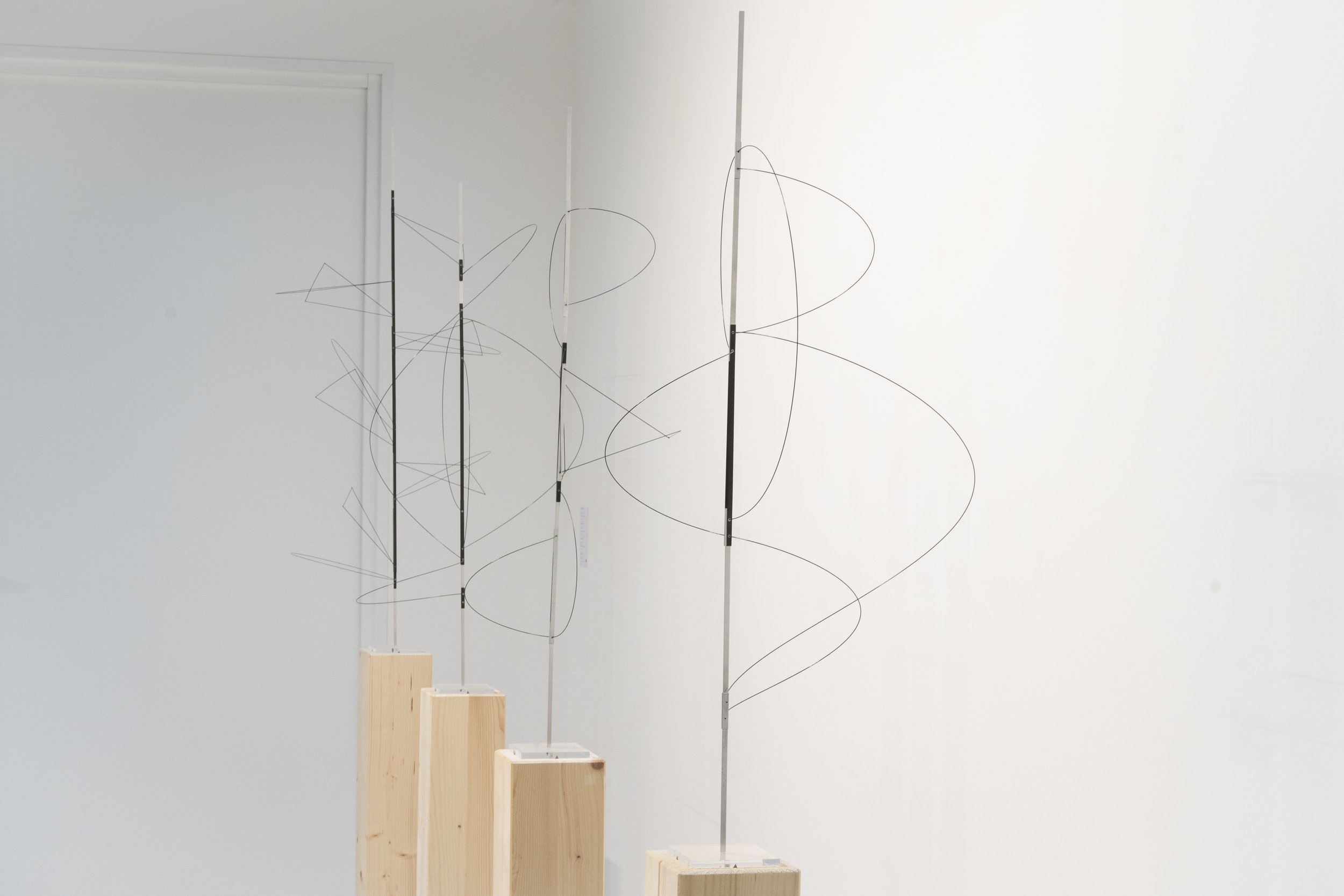
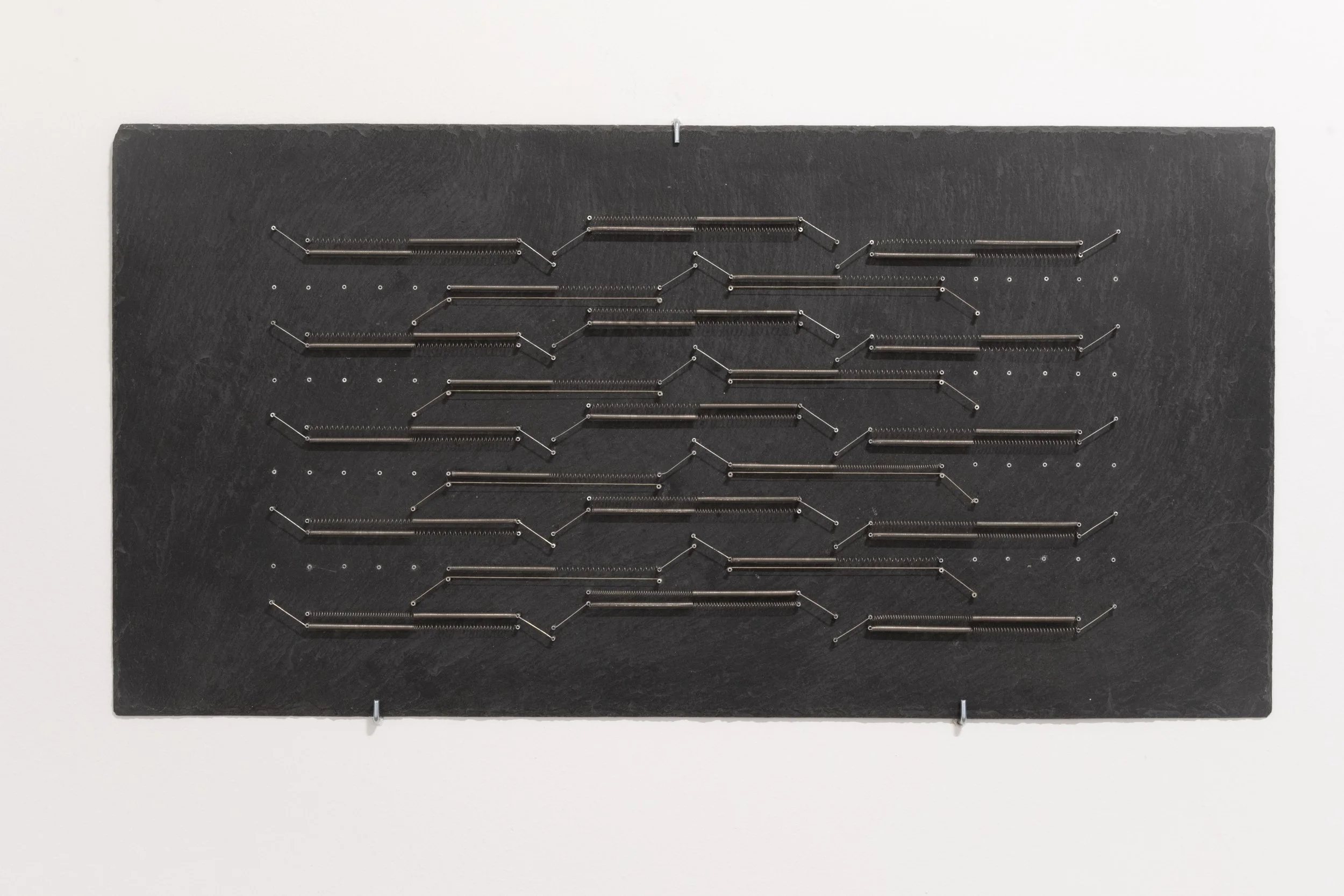
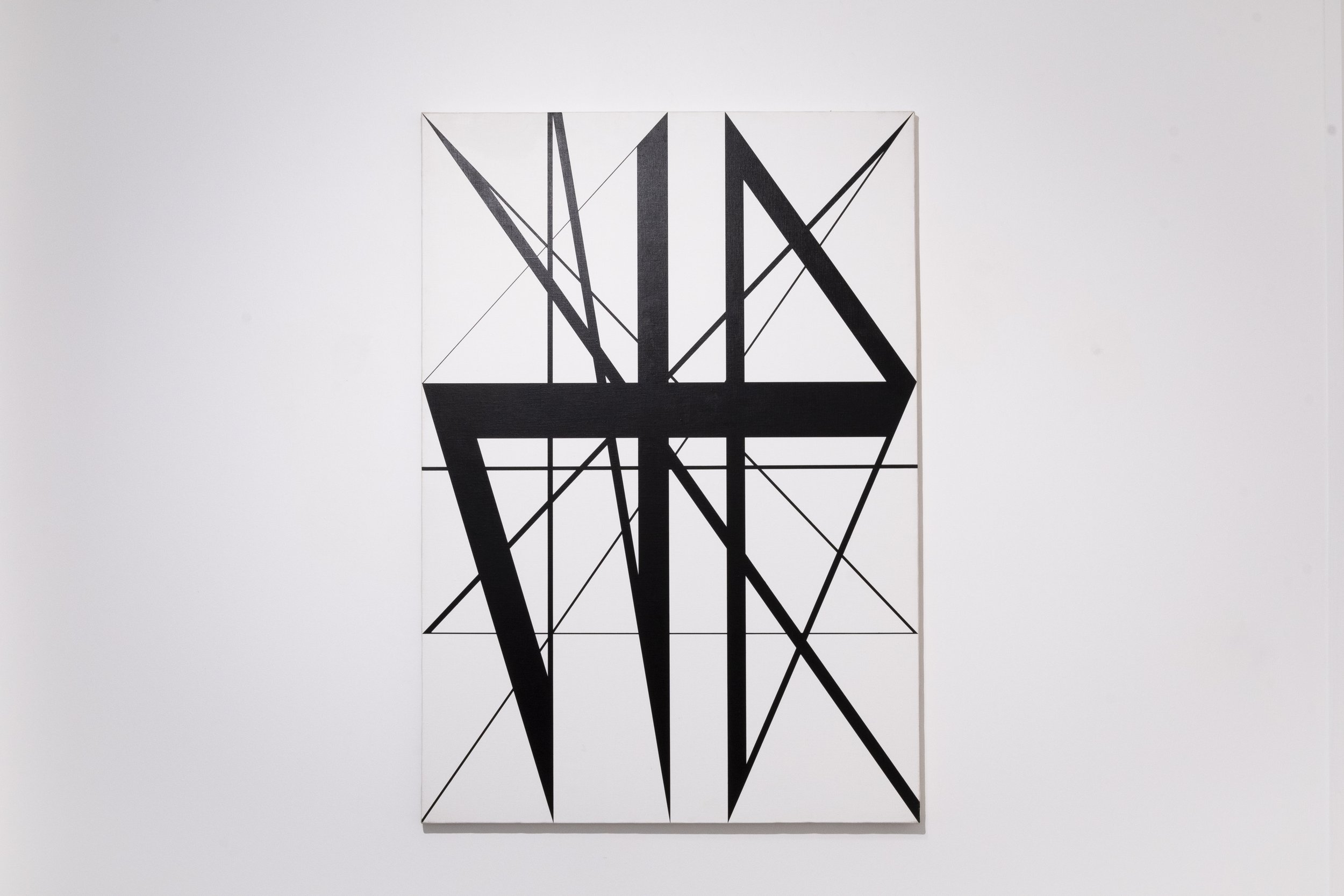
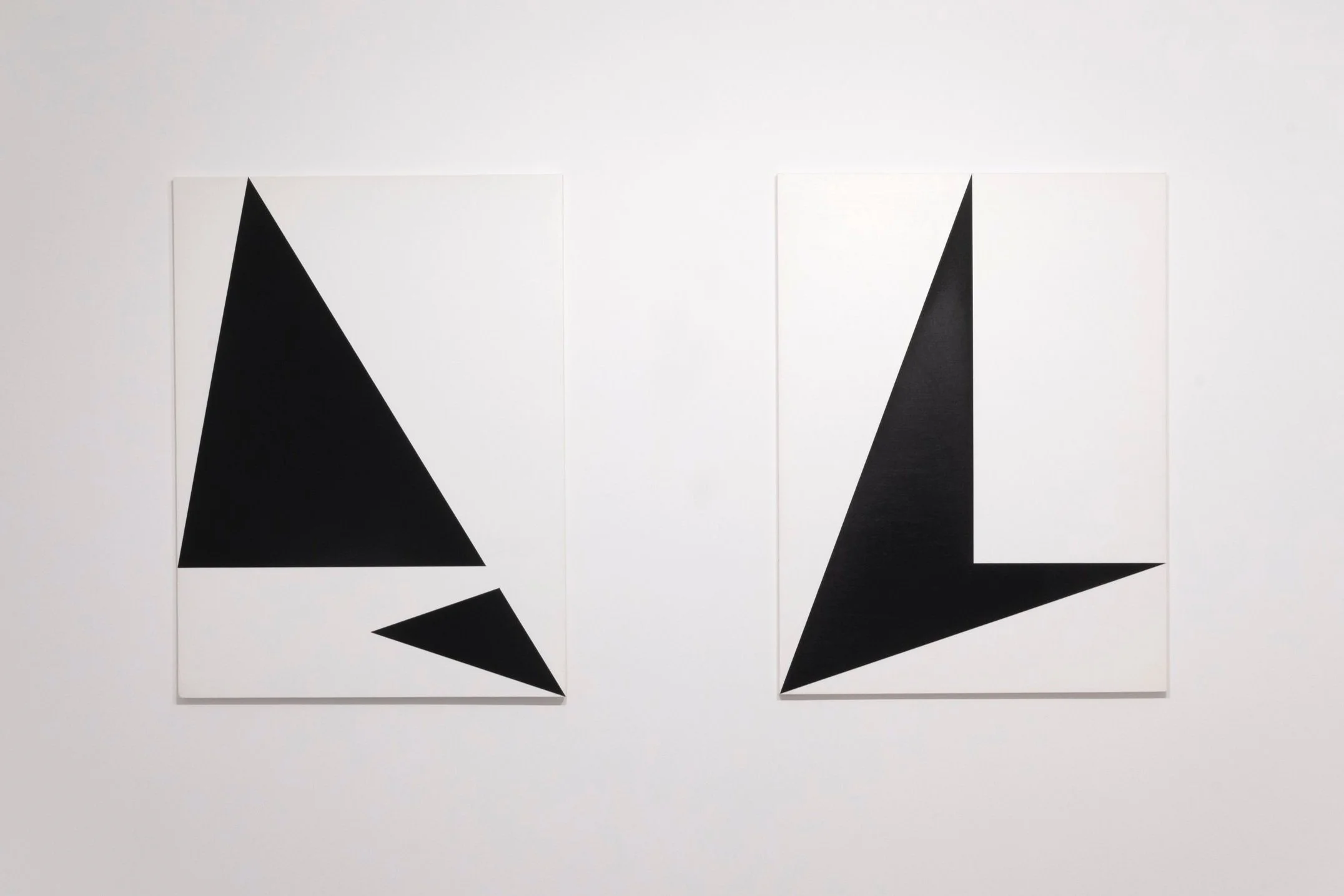
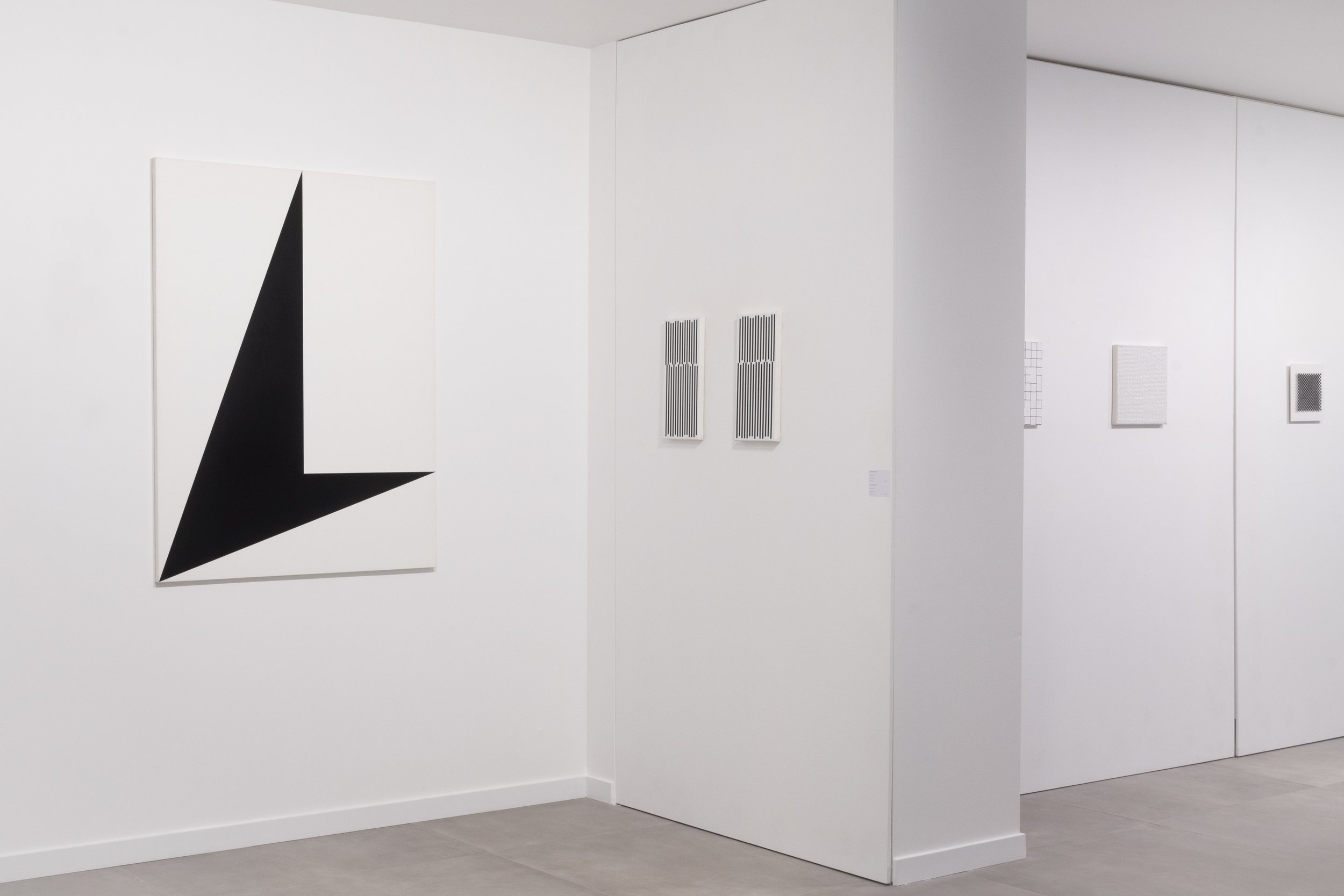
Our new exhibition brings together the work of Sophie Coroller and Ode Bertrand. What unites these two artists is perhaps, first and foremost, a way of being in the world, marked by determination, meticulousness, and precision. Each develops a unique visual vocabulary and establishes her own rules, methodical frameworks within which they tirelessly explore and experiment. Their approach, remarkable for its rigor and precision, nonetheless engenders a mystery: their works exude an indefinable aura, a kind of floating unease that captures and absorbs the gaze. This density and visual power are, however, achieved from a minimal and refined element: the line. In her paintings, Ode Bertrand punctuates and weaves the line, creating compositions that function like musical scores. Each line, each space, each interval contributes to the harmony of a rhythm that gradually takes hold, between tension and respite. Her works are playgrounds for the eye, where the viewer's soul can lose itself in the tangle of lines, yet be guided by their ordered structure. Sophie Coroller, for her part, explores balance in her wire reliefs and sculptures, where taut lines seem poised to leap into space. Her work evokes the cautious momentum of a pirouette in classical dance: a precarious state of equilibrium. Her pieces are inhabited by vibrant lines that, under tension, defy gravity and offer a sensation of latent movement.
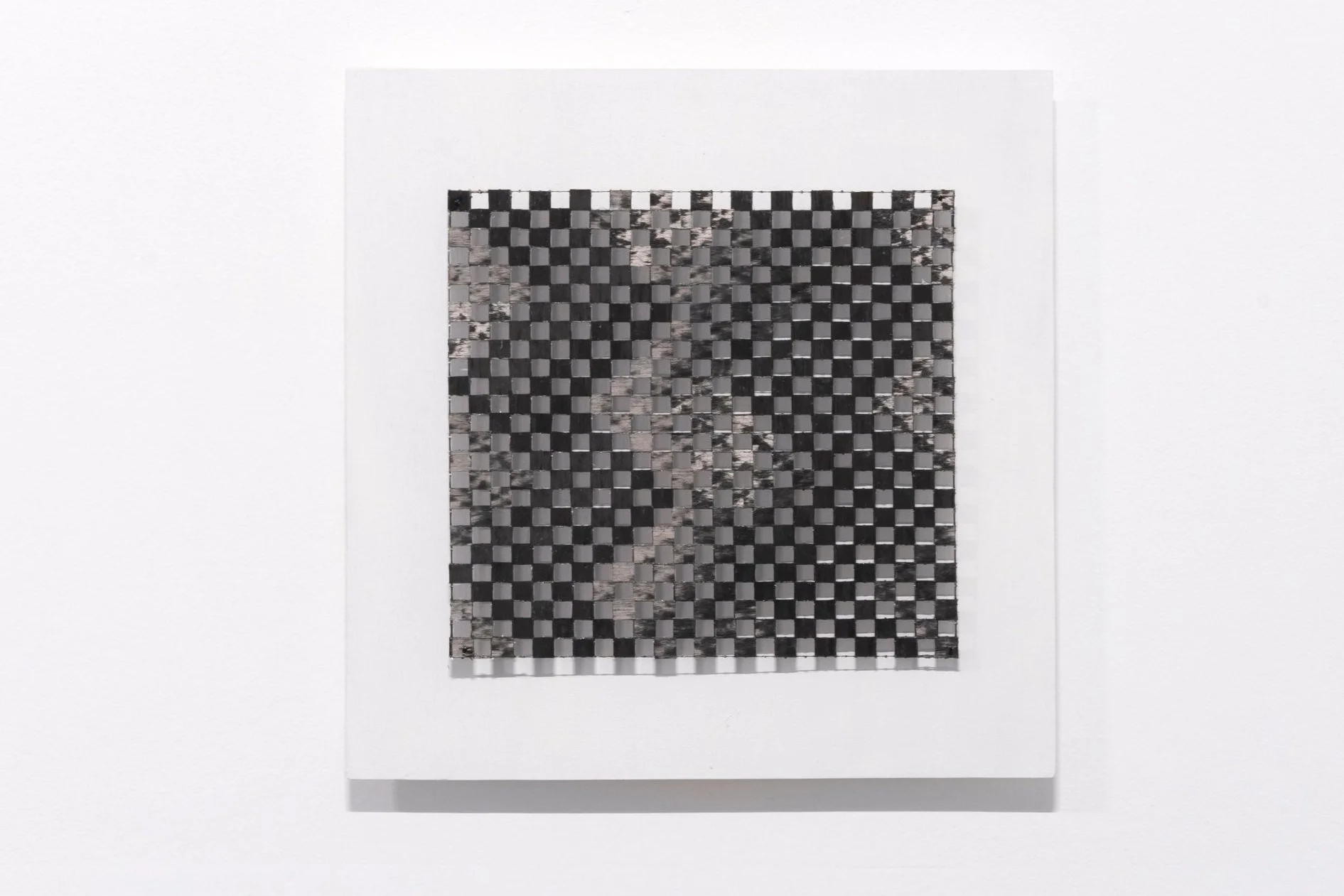
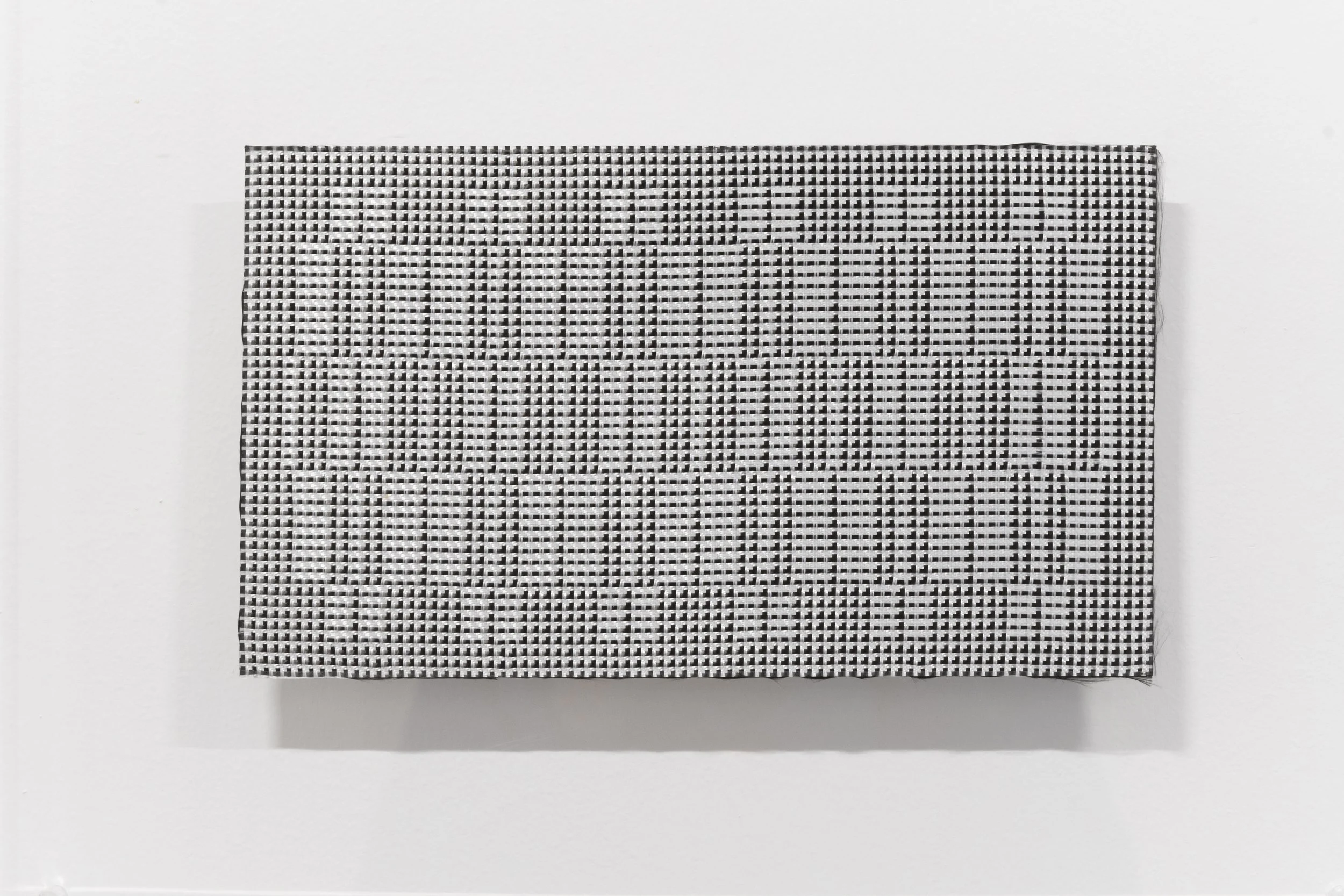
It is difficult to grasp the works of these two artists at a single glance: they seem to call to us, demanding focused and prolonged attention. Both establish a singular temporality within the space, where layers and multiple dimensions overlap and interact. In her Slate series, Sophie Coroller stretches tiny springs and wraps linen thread around a thin stainless steel tube, creating delicate and dynamic structures. In her Mini-Grids series, she superimposes an openwork mesh of unraveled carbon or glass fiber and tissue paper. The care, precision, and repetition of a gesture that, in the creative process, required considerable time and concentration, undeniably influence the viewer's perception. This temporal density is felt in every detail. Ode Bertrand also unsettles perception through the accumulation of lines, the methodical repetition of motifs, and the close proximity of features that seem on the verge of merging. His work engages the viewer in a constant oscillation between order and confusion. Gilles Deleuze evoked this stratification with the term " crystal-time," a structure where past and present coexist and reflect each other, like the facets of a crystal. Contrary to a linear vision of time, the works of both artists function as temporal blocks, simultaneously revealing their process of emergence and their immediate visual impact.
For Ode Bertrand, the line transcends its apparent linearity: it traces a path, sometimes winding, sometimes labyrinthine. It becomes both connection and division, structuring rhythmic compositions that alternate between opacity and transparency, emptiness and fullness. Before his paintings, the viewer is invited to pause, to step back and take in the whole, then to approach again, as if to follow the path the artist offers us. The arrangement of lines, the precision of the contrasts between black and white, do not simply create oppositions. On the contrary, they establish a subtle harmony, a resonance where interstices are revealed, spaces that are both dense and suspended.
In Sophie Coroller's work, the line is stretched, extended, and shaped from meticulously selected materials. These materials—carbon, glass, stainless steel—are never chosen at random. Each possesses specific qualities and limitations that the artist confronts with her artistic vision. Often associated with imposing constructions, these materials are, in her hands, imbued with an unexpected fragility. Sophie Coroller reduces them to their most tenuous form: the finesse of a line, almost at the limit of resistance. In this paradox, she orchestrates delicate, precarious structures, anchoring them in space at the most infinitesimal point of equilibrium. From these balances emerge works that tend to rise, to transcend the constraints of the wall or the base. These arrangements, in search of a new freedom, seem to want to take flight, inhabiting the space with lightness and tension.
The works of these two artists seem to trace pathways, the moving line indicating a direction. Gaston Bachelard, in *Air and Dreams*, expresses this thought, which seems to resonate with their approach: “To those who contemplate the graceful line, dynamic imagination suggests the wildest substitution: it is you, dreamer, who are evolving grace.” Ode Bertrand and Sophie Coroller, with different sensibilities and approaches, both manage to guide the viewer through subtle spaces, where the line becomes a path, almost imperceptible, leading to silence, introspection, and a form of elevation.