
Around Abstraction Creation
Josef Albers, Etienne Béothy, Marcelle Cahn, Alexander Calder, César Domela, Otto Freundlich, Jean Gorin, Jean Hélion, Auguste Herbin, František Kupka, Alberto Magnelli, Jacques Villon
From October 10th to December 21st
Text by Cécile Godefroy
The artistic influence of Paris at the turn of the 1930s, the massive influx of foreign artists, and the hosting of international exhibitions made the French capital the main center for the expression of geometric abstraction. This major international movement was organized with the creation of groups defending non-figurative art, including Cercle et Carré (1929), founded by Michel Seuphor and Joaquín Torrès Garcia; Art Concret (1930), centered around Theo van Doesburg (with Jean Hélion, Otto Carlsund, Léon Tutundjian, and Marcel Wantz); and, above all, the Abstraction-Création association (1931–1936), chaired by Auguste Herbin and Georges Vantongerloo: Abstraction for "the progressive abstraction of forms found in nature"; Création for "a purely geometric conception or the exclusive use of elements commonly called abstract, such as circles, planes, bars, and lines."
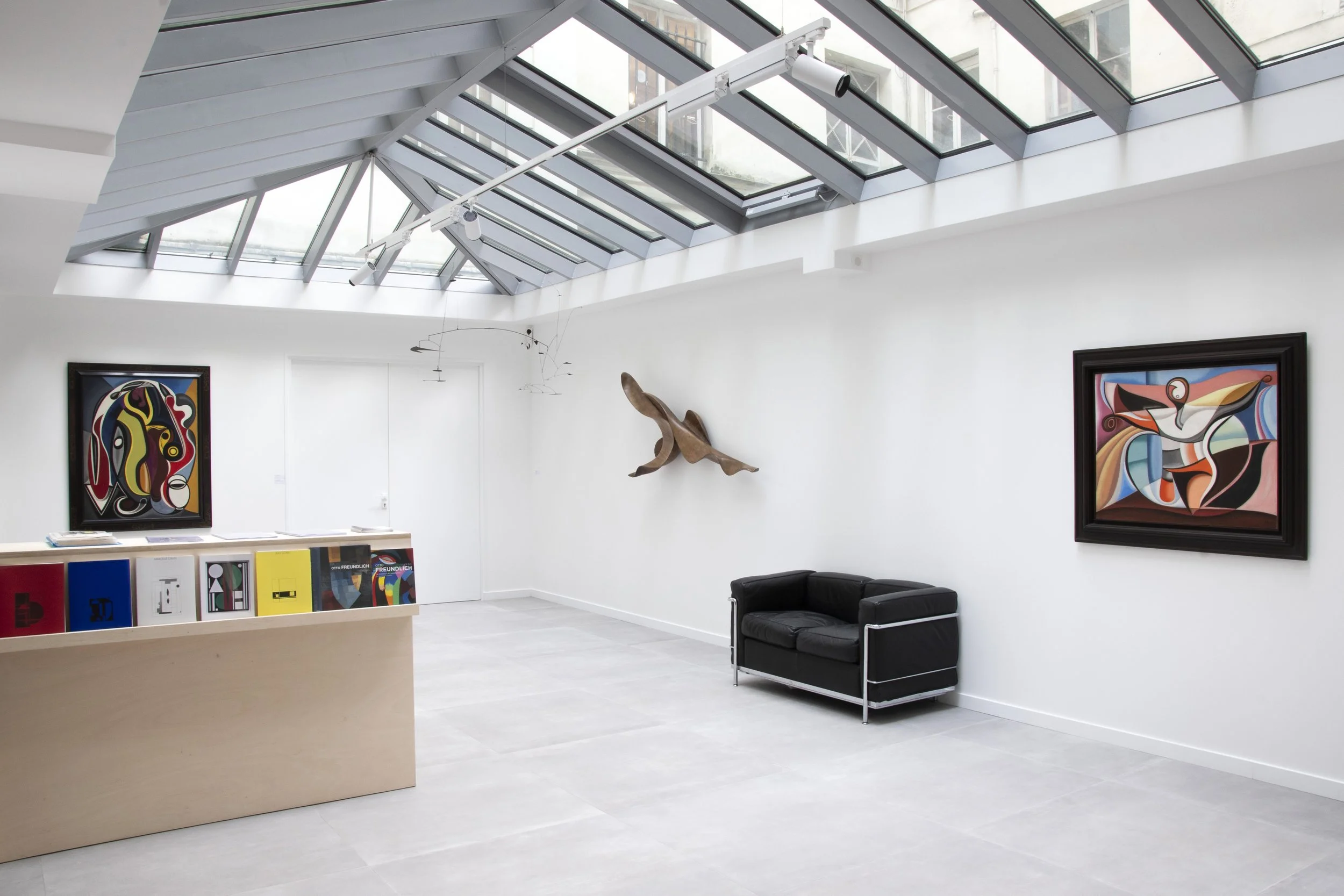
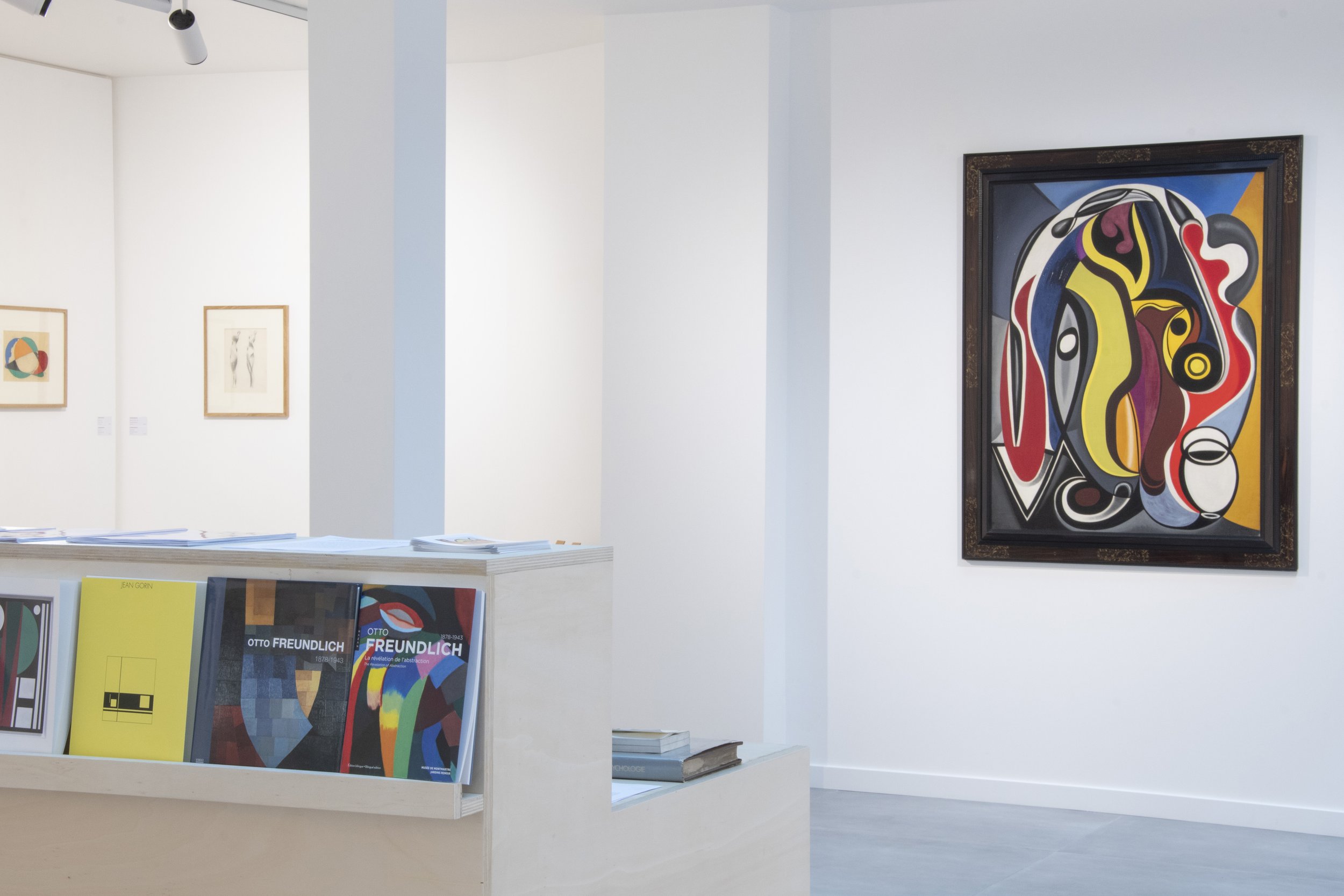
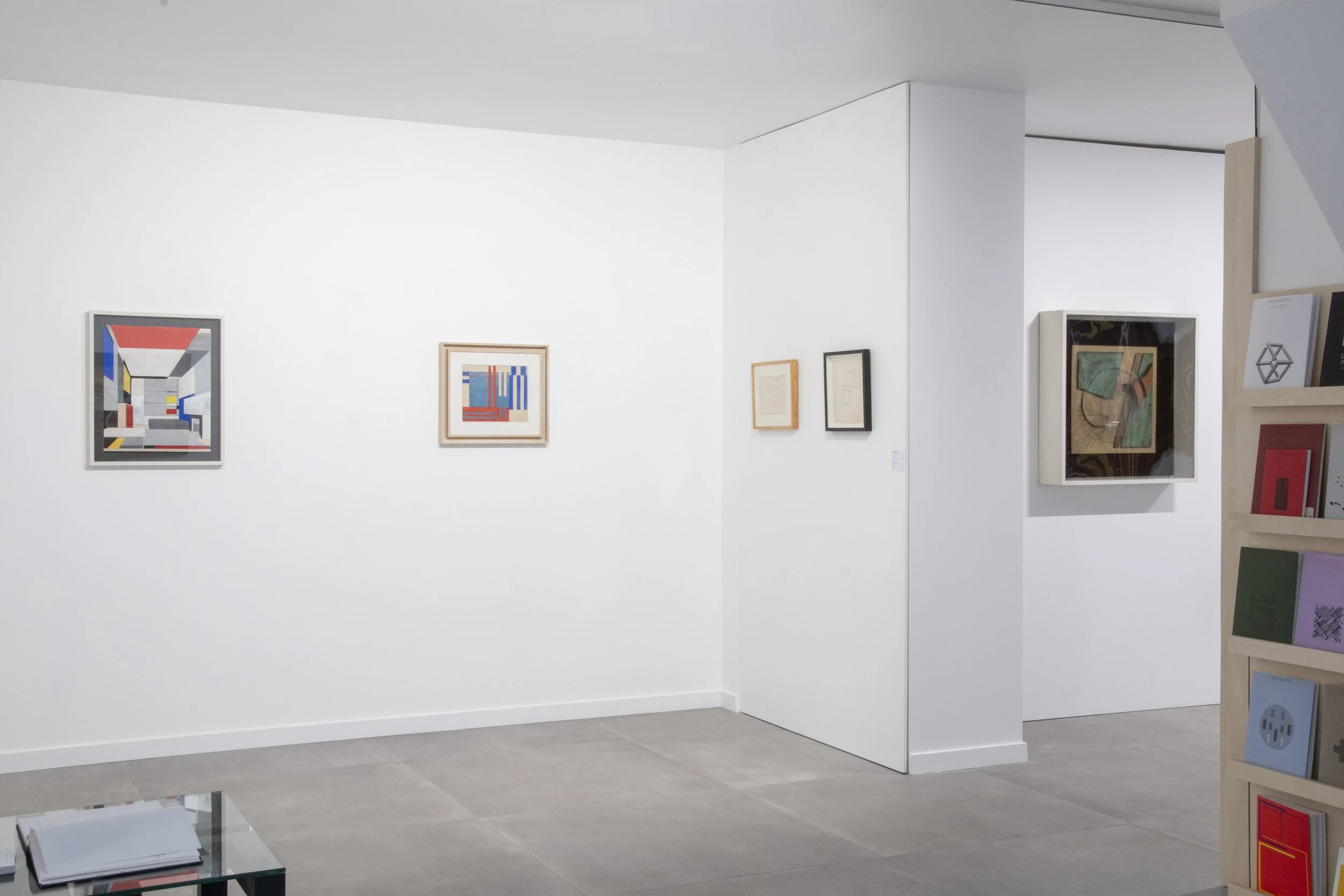
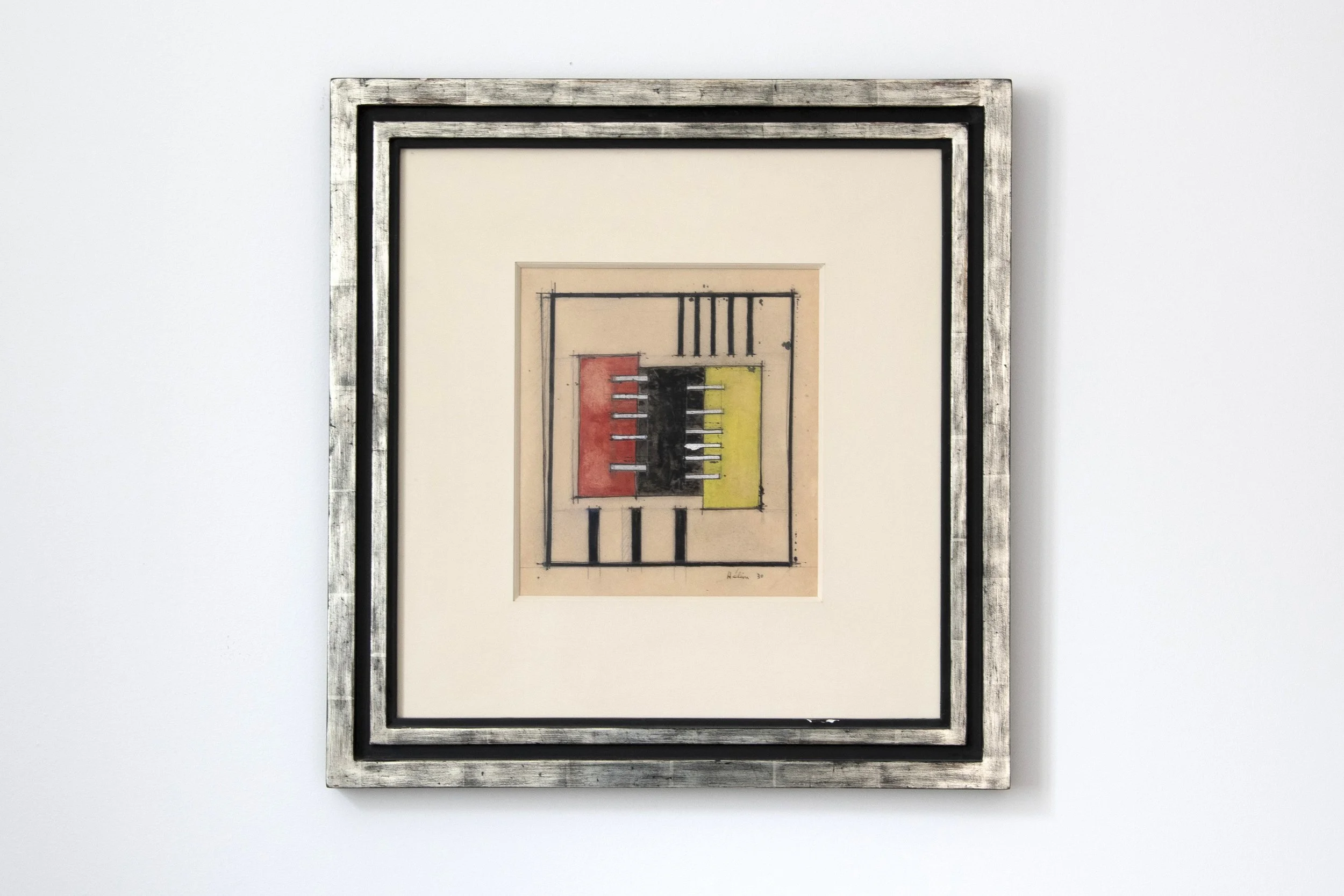
While the dominant trend was towards geometric abstract art, the group's cosmopolitan nature, the strong personalities of its founders, and the economic, cultural, and political crisis that the artists were experiencing firsthand gave rise to differences that were individual expressions, drawing both on the foundations of strict and rigorous abstraction and breaking free from them to explore novel artistic solutions. The five annual journals, *Abstraction Création Art Non Figuratif*, published between 1932 and 1936, and the association's permanent exhibition on rue Wagram during 1934, promoted the works and theories of its members who, in their adherence to the fundamental principles of abstraction, did not all preclude a renewed dialogue with nature. The works of the French artists Marcelle Cahn (1895-1981), Jean Gorin (1899-1981), Jean Hélion (1904-1987), Auguste Herbin (1882-1960) and Jacques Villon (1875-1963), the Dutchman César Domela (1900-1992), the Germans Josef Albers (1888-1976) and Otto Freundlich (1878-1943), the Czech František Kupka (1871-1957), the Hungarian Etienne Béothy (1897-1961), the Italian Alberto Magnelli (1888-1971) and the American Alexander Calder (1898-1976), which are brought together today by the Lahumière gallery, testify to the great creativity that emanates from this period of transition and necessary renewals.
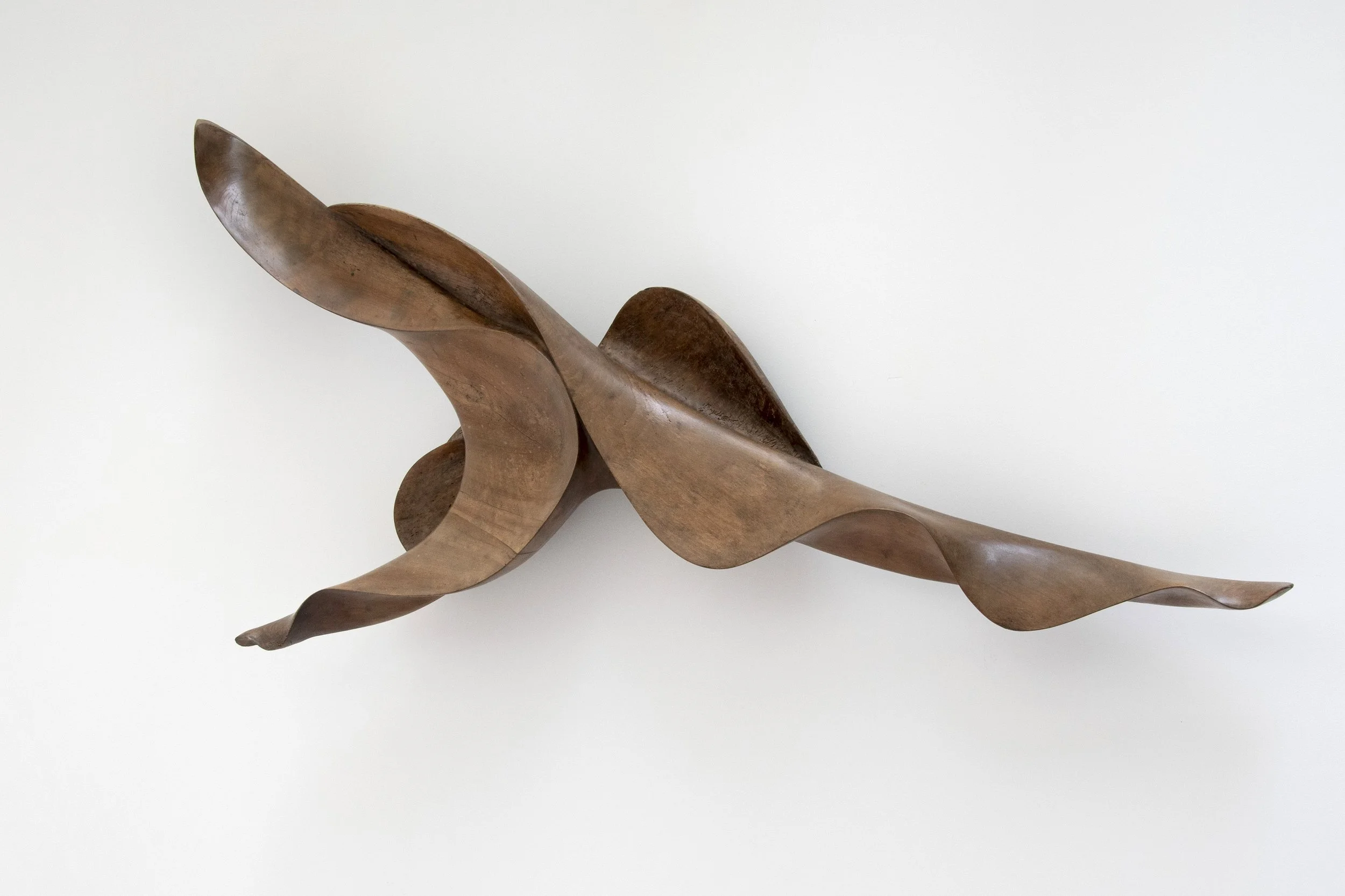
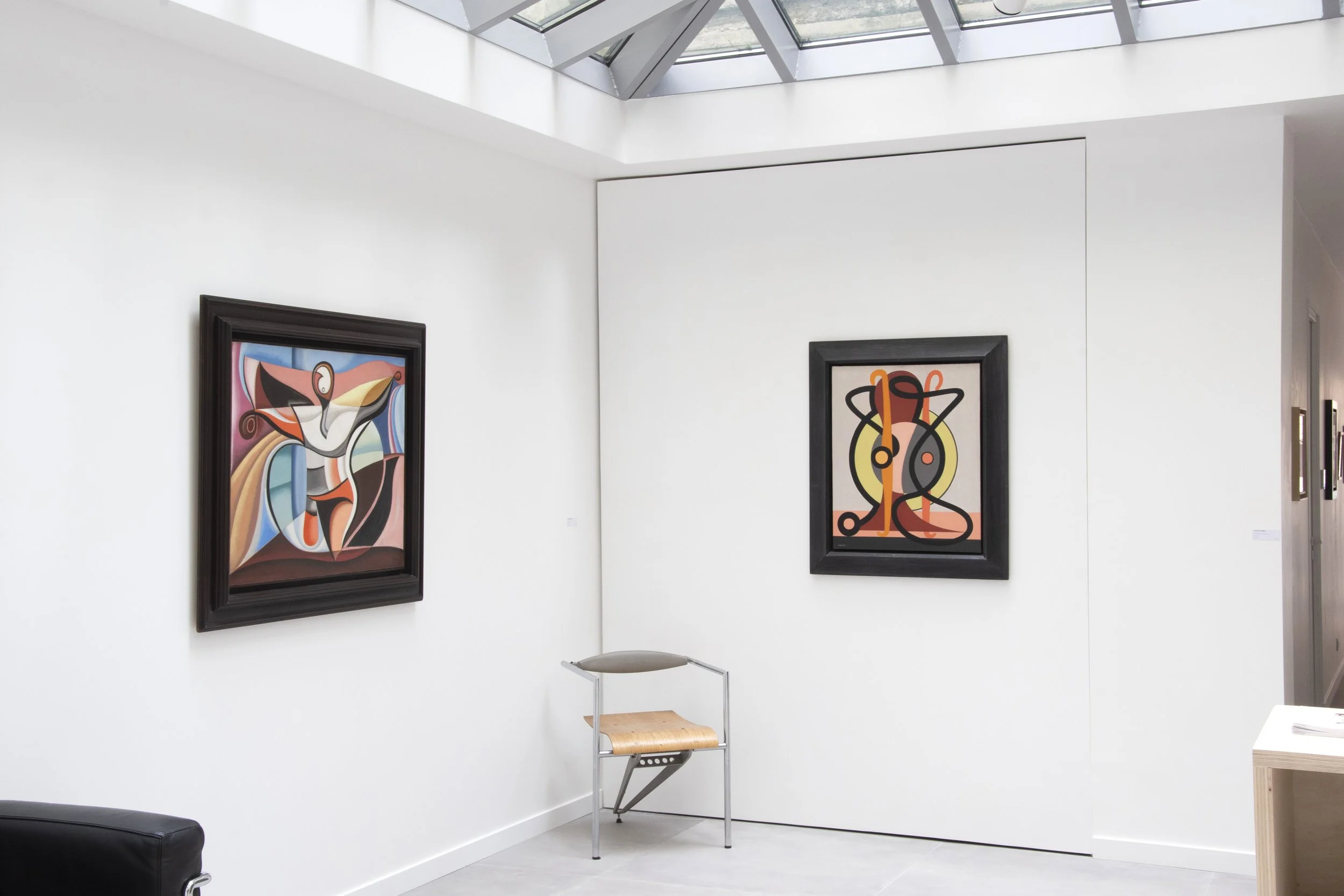
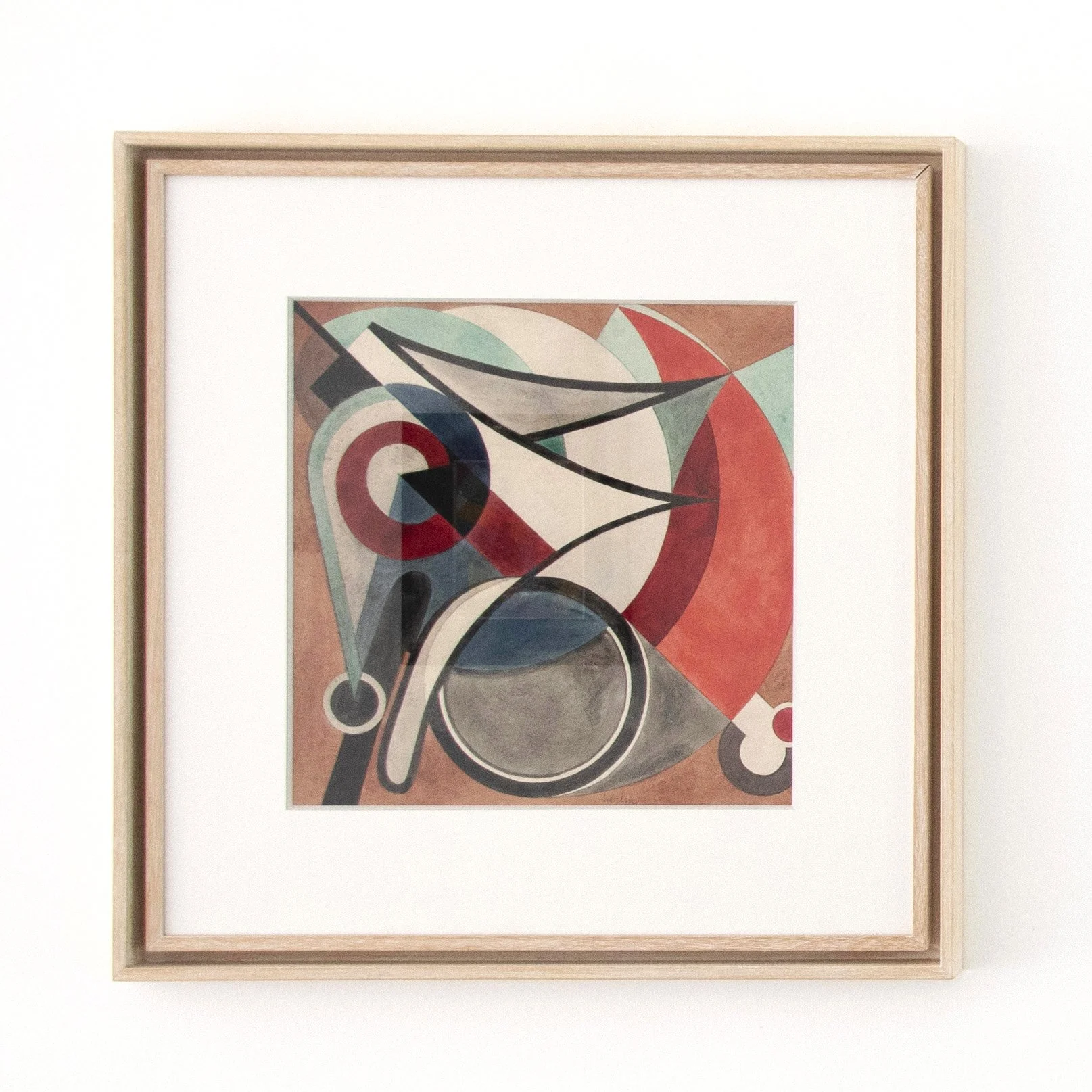
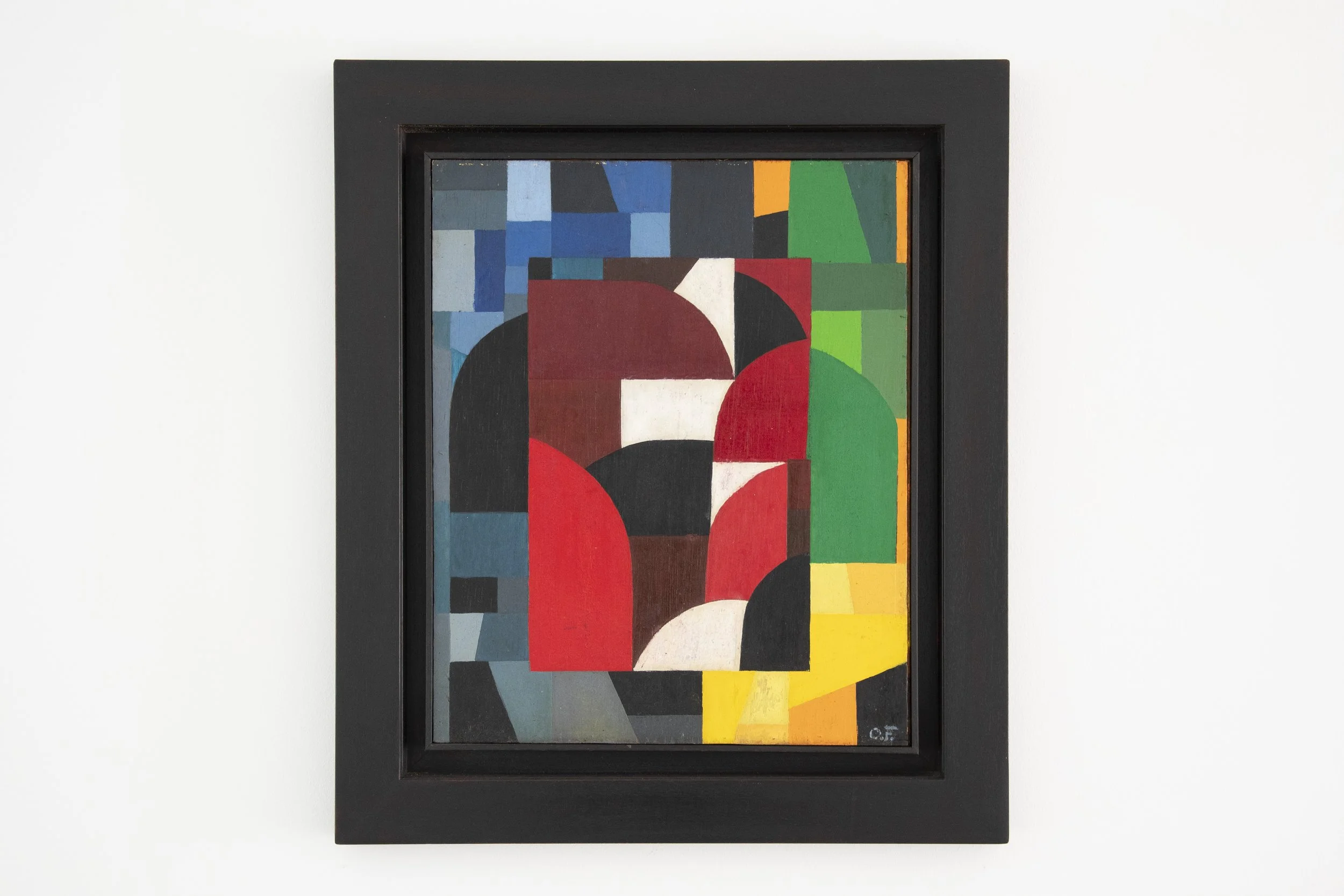
The quest for rhythm, already evident before the war in the Orphic tendency of Cubism as defined by Guillaume Apollinaire to describe the works of painters as diverse as Francis Picabia and Robert Delaunay, blossomed during the 1930s in the paintings and reliefs of Auguste Herbin. By combining circular motifs, curves, oblique lines, and purity of line, the leading figure of the movement developed a complex vocabulary of simple, colorful geometric forms that would culminate in the 1940s in the creation of a universal "plastic alphabet." The use of curves and oblique lines modulates the geometric rigor of Otto Freundlich's mosaic compositions. Convinced of the need to express light and dark through elementary planes, the painter explored a new palette enriched with vibrant colors. Etienne Béothy, painter, sculptor, and architect, Josef Albers with his tectonic drawings, and Jean Gorin, through relief, explored the boundaries of abstraction beyond the easel, seeking a possible reconciliation of art with the applied arts and architecture, and its extension to the scale of the city. Made from a variety of materials (here, copper, oxidized brass, plexiglass, and wood), César Domela's refined and handcrafted reliefs create contrasts of rhythm, texture, and color, while Alexander Calder's early mobiles unfold within the realm of abstract and kinetic sculpture: inspired by nature, small sheets of cut and painted metal, connected by thin metal rods, are suspended and subjected to air movement or activated by a mechanical system.
While adapting his painting to strict new formal rules—"new spirit, new technique," the painter wrote in Notebook No. 1—Kupka rhythmically structures the geometric grid with color, much like a musical score. Jean Hélion's airy compositions are organized by planes of primary colors and free themselves from all rectitude through the introduction of curves and the repetition of short parallel lines, while Jacques Villon superimposes a network of broken lines onto his geometric compositions to create a new dynamic equilibrium. Returning to abstraction, Alberto Magnelli draws architectural compositions whose precise and austere lines stem from the series he began with Carrara marble. Having trained at the Académie Moderne of Fernand Léger and Amédée Ozenfant, and representing the purist tendency, Marcelle Cahn returned to the motif, specifically the nude, at the turn of the 1930s. Her work is expressed through a lasso of serpentine, sexualized lines that both extend and contradict a play of straight lines. The interest then aroused by the Surrealist movement and the importance she placed on the subject led Marcelle Cahn to refuse Freundlich's offer to contribute to Cahier n°2. Like other members who left the association in 1934, such as Sophie Taeuber, Jean Arp, and the Delaunays, she did not identify with the dogmas dictated by the steering committee, which advocated an exclusively non-figurative language. Tensions between founding members and financial difficulties brought the adventure to an end in 1936, but not the appetite to rethink abstraction in its major principles, between the quest for rhythm and spatiality, the aspiration to reconnect with a reality rooted in nature, and social and collective utopia; so many paths and answers to a world in crisis, which the artists would pursue freely after the war around the Salon des Réalités Nouvelles.
Cécile Godefroy, September 2024